



News:
Brokerage
Posted: March 25, 2008
InSite Medical Properties to present BOMA's 2008 Medical Office and Healthcare Facilities Conference on June 19-20
According to the Building Owners and Managers Association (BOMA) International, the association's 2008 Medical Office Building and Healthcare Facilities Conference, held June 19-20, at the Hyatt Regency in Denver, will be presented by InSite Medical Properties.
Healthcare real estate, such as medical office buildings and ambulatory surgery centers, continues to outperform other commercial office asset classes. BOMA's annual Medical Office Building and Healthcare Facilities Conference focuses exclusively on the specific demands associated with developing, managing, and leasing these highly specialized facilities.
This year's program will focus on the most pressing issues confronting this sector of the real estate industry, including the upcoming election. Political analyst and commentator Stuart Rothenberg will headline the event and share insights on what the upcoming presidential elections likely hold for the healthcare industry. As the editor and publisher of The Rothenberg Political Report, Rothenberg is an authority on the U.S. house, senate, gubernatorial, and presidential elections.
"The healthcare industry is undergoing rapid change," said Jonathan Winer, co-chair of BOMA's Medical Office Buildings and Healthcare Facilities committee, and principal, transaction real estate, Ernst & Young. "This conference is one of the only programs available that helps real estate industry professionals prepare for and meet those challenges."
"We look forward to hosting this conference in our home city of Denver. InSite has long been involved in this conference, and we're pleased to do our part in promoting the advancement of this profession and the medical office industry," said Mark Engstrom, CEO for InSite.
In addition to examining the implications of the upcoming election, other sessions will examine the shift from in-patient to outpatient treatment models; the "greening" of healthcare facilities; medical malls and healthcare villages as new real estate models; how changes in the capital markets will affect access to capital and underwriting requirements; financing higher acuity facilities; the latest revisions to STARK regulations and other regulatory compliance matters; and strategies for getting the right tenant mix in an MOB.
Tags:
Brokerage
MORE FROM Brokerage
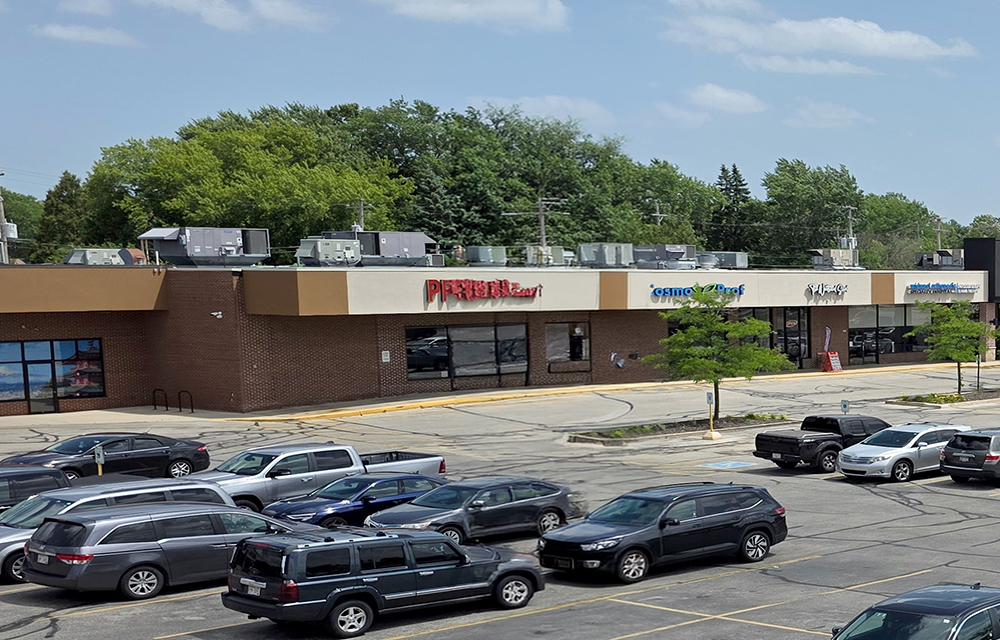
United Properties Corp. expands Wisconsin and Illinois retail presence adding 200,000 s/f
West Allis, WI United Properties Corp. completed two retail acquisitions totaling $27.4 million across Illinois and Wisconsin, adding 205,000 s/f of shopping center space to its portfolio


Quick Hits

Columns and Thought Leadership

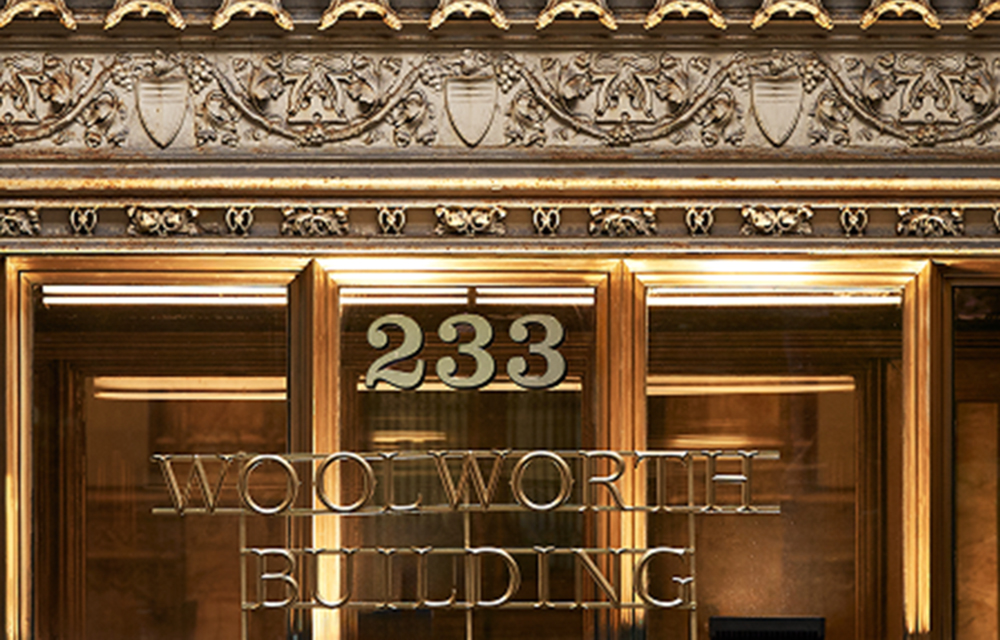
Positive forecast for New York’s pro-housing push? - by Philip Butler
New York’s housing crisis remains a hot button topic despite growing consensus that varied and affordable housing is desperately needed statewide. Governor Hochul has recently introduced several initiatives to overcome N.Y.’s anti-housing

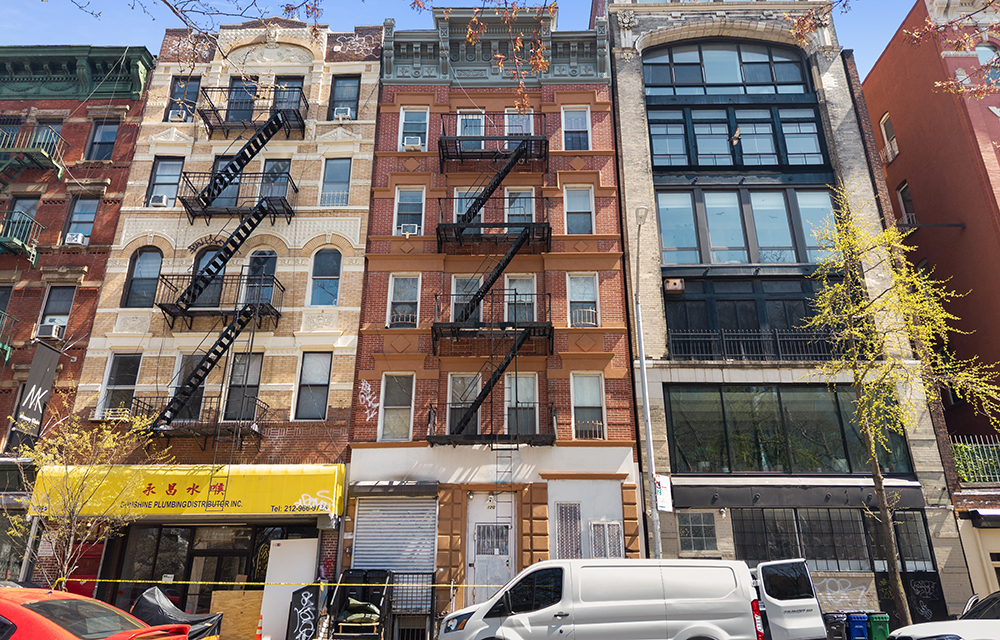
New York’s streets are full again, and the retail numbers prove it - by Noam Aziz
Walk down any New York block this year and you can feel it. The sidewalks are crowded, the storefronts are lit, and the energy that defines this city is back at full volume.

Hunt commercial real estate question and answer: Fortune 500 wisdom - by David Hunt
Yes, there are lessons to be learned from the largest companies in America when comes to managing your real estate. But the decision to buy or lease real estate may not be one of

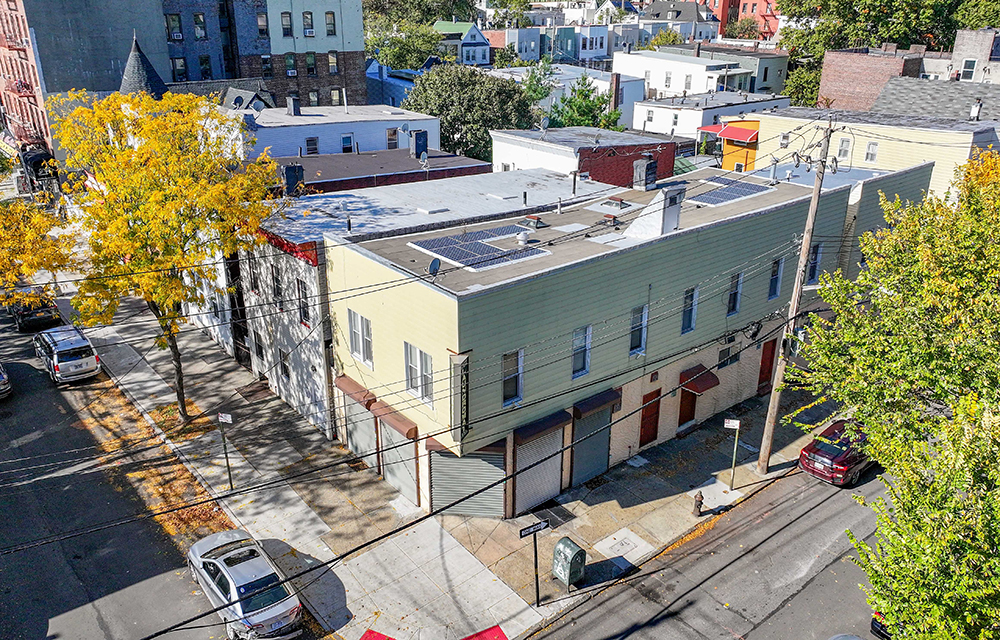
A guide to finding the right NYC property management company - by Sanjay Gandhi
Being a small to midsize landlord in NYC is an increasingly demanding endeavor. From navigating complex regulations, increased compliance demands to dealing with tenant issues and remediating violations. It is wise to enlist the assistance of a partner, a professional
.gif)