



News:
Brokerage
Posted: August 20, 2010
Infrastructure investment will create needed jobs and improve quality of life
Investing in New York's infrastructure - transportation, water and energy - is necessary for New York's future. Without these pieces in place, we will lag behind other states and other countries in their ability to provide the basic services for people and businesses. The American Society of Civil Engineers (ASCE) publishes their periodic Infrastructure Report Card and it confirms that New York needs to invest substantially more.
A plan that injects $5 billion into the New York State economy, if done right, will create more than 150,000 jobs initially, and more than double that in spin-off economies and related service and material suppliers. This investment will also spin off new property tax, sales tax and income tax that will pay an immediate dividend of 10 to 20 percent - a great rate of return. The additional reduction of unemployed and uninsured will reduce other state and local obligations, and the newly employed population will likely spend in excess of $3 billion each year in consumer and related purchases. While improving the economy, this program will provide needed rehabilitation and improvements to our deteriorating infrastructure, which negatively impacts our health and impairs our ability to compete nationally and internationally.
Our transportation infrastructure is an excellent example. Ninety-two percent of the $290 billion worth of commodities delivered from sites in New York is transported on state and local highways. Investing in the roads and bridges that comprise this critical network will help businesses deliver their products and residents to travel more safely and with fewer disruptions. Poor infrastructure costs New Yorkers more than $19.5 billion in medical expenses, lost productivity, and related workplace, insurance and legal expenses.
With the right investments, New York can:
* Save billions of gallons of water lost through inadequate pipes and antiquated distribution systems.
* Reduce the more than $2 billon on repair and operating costs that New Yorkers spend related to poor roads.
* Reduce commuter time, which has increased by an average of 20 minutes during rush hour in just the last 3 years!
* Provide access to more reliable and cleaner energy that will reduce emissions, generate even more jobs, and establish New York as a pioneer and leader in this emerging field.
There is no one way or correct way to fund this needed investment and we need to look at existing practices as well as new ones. Tolling, congestion pricing, vehicle mileage/fuel taxes are user based fees that should include at least some cost of living adjustments. Public Private Partnerships can attract private capital so that government can benefit from new projects without tying up their resources.
Challenging times require bold leadership and vision. Action must be taken quickly and thoughtfully. Projects need to be started today, and next year's projects need to be planned and designed now. New York can create needed in-state jobs, and develop the necessary transportation, environmental, energy and business infrastructure that will create and attract jobs for the next century.
Jay Simson, CAE, is president of ACEC New York.
Tags:
Brokerage
MORE FROM Brokerage
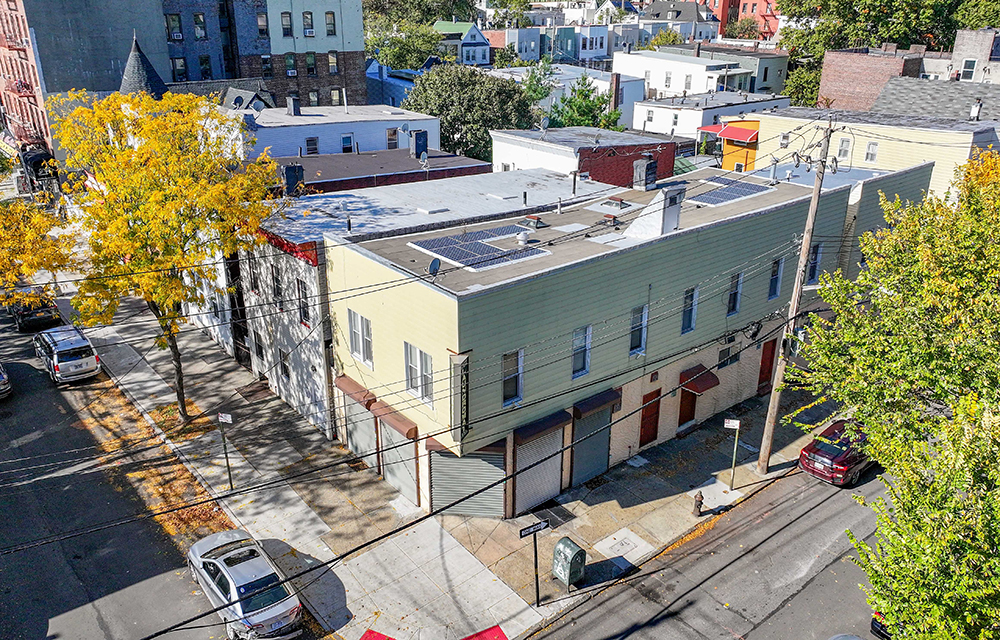
Investment Property Realty Group’s Team Friedman closes five Bronx sales totaling $5.3 million
Bronx, NY Investment Property Realty Group’s (IPRG) Team Friedman closed five sales totaling $5.3 million in the month of September. • 1707 Melville St. sold for $1.35 million. Located in Van Nest, the property




Quick Hits

Columns and Thought Leadership

Positive forecast for New York’s pro-housing push? - by Philip Butler
New York’s housing crisis remains a hot button topic despite growing consensus that varied and affordable housing is desperately needed statewide. Governor Hochul has recently introduced several initiatives to overcome N.Y.’s anti-housing

New York’s streets are full again, and the retail numbers prove it - by Noam Aziz
Walk down any New York block this year and you can feel it. The sidewalks are crowded, the storefronts are lit, and the energy that defines this city is back at full volume.

A guide to finding the right NYC property management company - by Sanjay Gandhi
Being a small to midsize landlord in NYC is an increasingly demanding endeavor. From navigating complex regulations, increased compliance demands to dealing with tenant issues and remediating violations. It is wise to enlist the assistance of a partner, a professional

Hunt commercial real estate question and answer: Fortune 500 wisdom - by David Hunt
Yes, there are lessons to be learned from the largest companies in America when comes to managing your real estate. But the decision to buy or lease real estate may not be one of
.gif)