



News:
Brokerage
Posted: September 18, 2009
Taxes: New increases, temp. relief and permanent reform
N.Y.C. became a more expensive city for commercial tenants, businesses and property owners in 2009 as a result of new tax increases. However, the extension of a number of tax exemptions will somewhat mitigate this increased financial burden for these groups in Lower Manhattan. For a sustained economic recovery, the city and its business community would benefit from a phase-out and permanent elimination of the commercial rent tax (CRT).
In January, real estate tax rates increased 7.5%. Also in January, the Dept. of Finance announced that the taxable assessed value of commercial property (class four) rose 9.9%. This assessment increase took effect on July 1. On March 1, the city's hotel tax rate increased to 5.875% from 5%. In the summer, the city received state legislative approval to increase the sales tax 0.5% and to eliminate the sales tax exemption on clothing above $110. These two actions would cost taxpayers $880 million a year.
Added to these increases, the state enacted a 0.34% payroll tax on businesses in the 12-county Metropolitan Transportation Authority (MTA) region. This mobility tax would cost taxpayers $1.6 billion annually. Also, as part of the effort to fund the MTA, taxpayers would pay increased fees for car registration and for driver's license renewals.
At the urging of REBNY, the Alliance for Downtown and the city, the state extended the CRT provisions of the Lower Manhattan Plan as well as the CRT and sales tax provisions of the Lower Manhattan New Commercial Incentive program. The extension of these key provisions will provide important tax relief for tenants in today's economy.
Initially enacted in 1995, the Lower Manhattan Plan provides a real property tax abatement of $2.50 per s/f for new, renewal and expansion leases for space below Murray St. Tenants eligible for this tax abatement are also eligible for a 5-year reduction in their CRT. This CRT benefit was expanded in 2005 to include the area north of Murray and south of Canal St. The CRT benefit for the entire area was extended four years to June 30, 2013.
The Lower Manhattan New Commercial Incentive program was enacted in 2005 as a catalyst for the redevelopment of the World Trade Center site (WTC) and the adjacent World Financial Center (WFC) and Battery Park City (BPC). The legislature also extended the CRT benefits under this program to June 30, 2013. This economic incentive program also included a sales tax savings on build out and furniture and equipment for new and renewal leases at the WTC, WFC, and BPC. This sales tax exemption was also extended to Sept. 1, 2015.
In the area south of Frankfort and Murray Sts. there is a sales tax exemption on build out only (not furniture and equipment). This sales tax exemption was extended to Sept. 1, 2013.
The extensions of these tax exemptions recognize the importance of lower taxes in attracting tenants and revitalizing Lower Manhattan. It is a formula that would benefit the other areas of our city as well.
The current economic climate has presented difficulties to commercial tenants and businesses in both the midtown and downtown central business districts. Lowering occupancy costs for these businesses and tenants would be an important element in promoting and sustaining our city's economic recovery.
The CRT is a tax and cost of doing business that is particularly irksome to potential new tenants and to existing businesses. This tax on the occupancy of commercial space has only been useful to our regional competitors when they see the high cost of relocating to N.Y. compared to their area and fail to make the move.
In the midst of the recession in the mid-1990's to address these issues, the city eliminated the tax in most parts of the city. In the remaining locations, Manhattan south of 96th St., the CRT rate was lowered from 6% to 3.9%.
To bolster our economy and spur activity in Manhattan's commercial business districts we should announce a fiscally prudent plan to phase-out the CRT tax in a reasonable amount of time.
Steve Spinola is the president of the Real Estate Board of New York, New York, N.Y.
Tags:
Brokerage
MORE FROM Brokerage
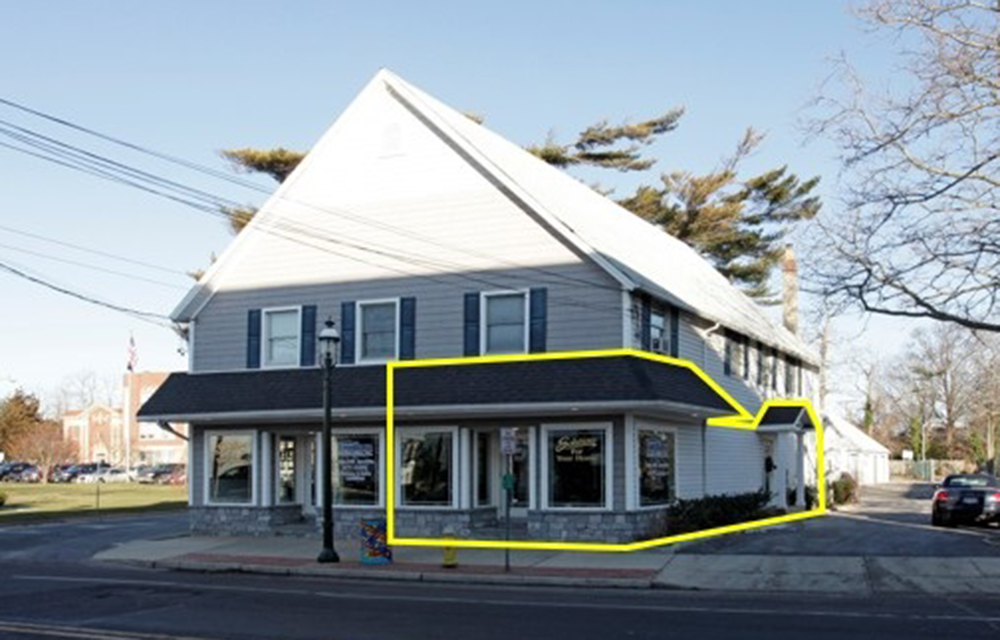
Raffa of Island Associates Real Estate leases 1,700 s/f to Tzanis Mental Health Group at 417 East Main St.
Islip, NY Robert Raffa from Island Associates Real Estate facilitated Tzanis Mental Health Group into 417 East Main St. – a 1,700 s/f office suite. The Tzanis Mental Health Group joins



Quick Hits
 (2).gif)

Columns and Thought Leadership

Positive forecast for New York’s pro-housing push? - by Philip Butler
New York’s housing crisis remains a hot button topic despite growing consensus that varied and affordable housing is desperately needed statewide. Governor Hochul has recently introduced several initiatives to overcome N.Y.’s anti-housing

A guide to finding the right NYC property management company - by Sanjay Gandhi
Being a small to midsize landlord in NYC is an increasingly demanding endeavor. From navigating complex regulations, increased compliance demands to dealing with tenant issues and remediating violations. It is wise to enlist the assistance of a partner, a professional

New York’s streets are full again, and the retail numbers prove it - by Noam Aziz
Walk down any New York block this year and you can feel it. The sidewalks are crowded, the storefronts are lit, and the energy that defines this city is back at full volume.

Hunt commercial real estate question and answer: Fortune 500 wisdom - by David Hunt
Yes, there are lessons to be learned from the largest companies in America when comes to managing your real estate. But the decision to buy or lease real estate may not be one of
.gif)
September Promotion
