



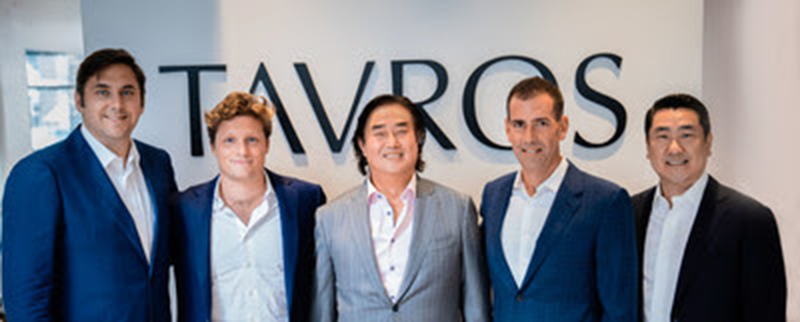
New York, NY INCOCO CAPITAL, LLC (INCOCO) has expanded its real estate investment platform in the United States with two market-leading investments.
The company partnered with Tavros Holdings, LLC (Tavros) to acquire a development site located at 24-19 Jackson Ave. in the Court Sq. submarket of Long Island City for $68.3 million. INCOCO and Tavros will combine the acquired site with the neighboring lots currently owned by Tavros and co-develop the aggregated site into a 55-story class A mixed-used tower with more than 600 apartments and 90,000 s/f of commercial space.
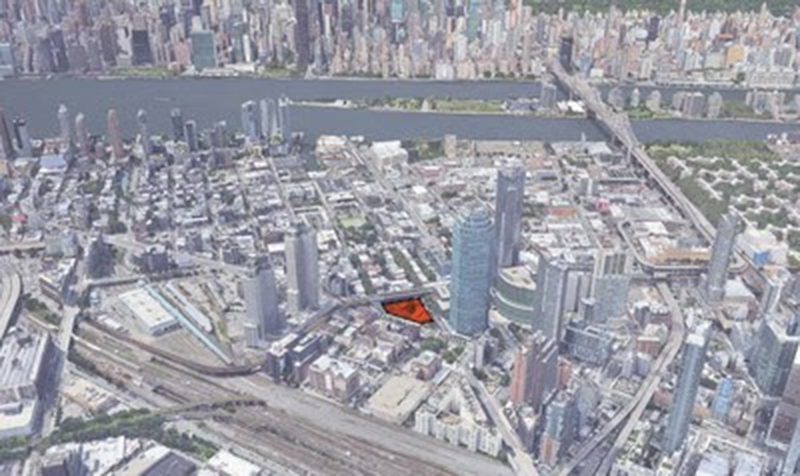
The project is located one block from the Court Sq. subway station and is one of the most transportation and commuter friendly locations in the outer boroughs of New York City. In connection with the project’s construction, the development team has partnered with the MTA to improve the subway infrastructure in Long Island City. Once the building is completed it will enjoy proximity to the nearby parks, shopping, cafes, restaurants, views and water activities in the East River.
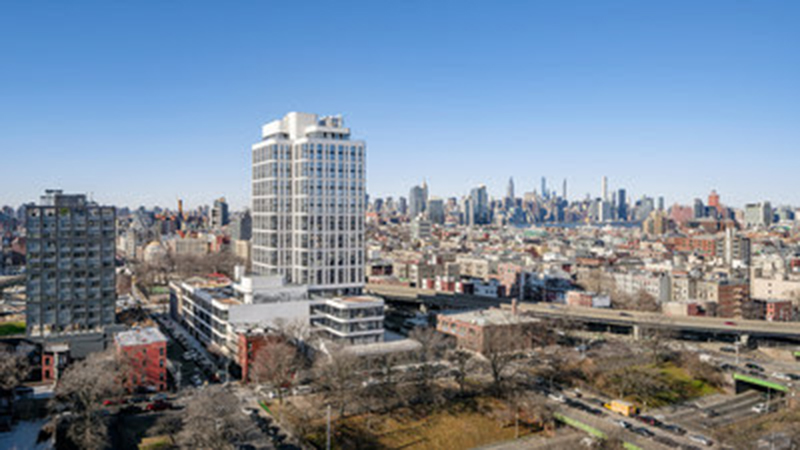
In addition, INCOCO led the $156.6 million acquisition of the residential and parking components of The Dime at 275 South 5th St. in Williamsburg, Brooklyn. The Dime is a 23-story terra-cotta and glass tower developed by Tavros Holdings. The Dime is architecturally intertwined with the landmarked 1908 Dime Savings Bank and is comprised of 177 rental apartments with two floors of below grade parking
“We are thrilled to be part of these two incredible projects, as well as continuing to strengthen our relationship with Tavros Holdings,” said Fa Park, founder of INCOCO. “Joining forces with Tavros was a great fit, as our firms are both dedicated to bringing the absolute best product to New York City residents.”
“After a six-year assemblage process, we are delighted to begin work at our Long Island City project,” said Nicholas Silvers, founding partner of Tavros Holdings. “Our valued relationship with INCOCO has been crucial in completing the acquisition of what we believe to be the single best development site in Long Island City. To share our work together is a real honor.”







.gif)