



News:
Brokerage
Posted: December 27, 2012
Important post-Sandy recovery information
In the aftermath of Super Storm Sandy, everyone is surveying the damage done to their property and wondering, "How am I supposed to handle this?"
If you've never suffered a property loss, establishing the facts needed to qualify for a tax deduction and calculating the amount of the casualty loss deduction can be daunting. Now is the time to consult with an accounting professional to evaluate your personal situation.
Tax laws as they
relate to casualty loss
Current tax laws allow a deduction for losses of business and non-business property due to a casualty for which you likely qualify. According to the IRS, "A casualty loss can result from the damage, destruction or loss of your property from any sudden, unexpected, or unusual event such as a flood, hurricane, tornado, fire, earthquake or even volcanic eruption. A casualty does not include normal wear and tear or progressive deterioration."
In its Tax Topic 515, "Casualty, Disaster, and Theft Losses (including Federally Declared Disaster Areas)," the Internal Revenue Service advises, "Casualty losses are generally deductible in the year the casualty occurred. However, if you have a casualty loss from a federally declared disaster that occurred in an area warranting public or individual assistance (or both), you can choose to treat the loss as having occurred in the year immediately preceding the tax year in which the disaster happened, and you can deduct the loss on your return or amended return for that preceding tax year."
For additional information, read Topic 515 online at http://www.irs.gov/taxtopics/tc515.html.
What to do if your
business was damaged
As widely reported, the destruction caused by Super Storm Sandy is likely to top $80 billion in losses as thousands of small, midsize and large businesses deal with flooding, physical damage, power outages, government orders and supply-chain disruptions.
Business loans are available to people who have suffered damage to business property or economic injury. These low-interest loans are available through the Small Business Administration (SBA) to repair or replace damaged property not covered by insurance, and to provide working capital. Please visit www.sba.gov for detailed information.
You can also obtain information at the FEMA Disaster Recovery Center (DRC) by visiting www.fema.gov or calling 1-800-621-FEMA. Some of the services may include:
* Guidance regarding disaster recovery
* Clarification of any written correspondence received
* Housing assistance and rental resource information
* Answers to questions, resolution to problems and referrals to agencies that may provide further assistance
* Status of applications being processed by FEMA
* SBA program information
Robert Rothbort, CPA, CFE, is a partner at Armao, Costa & Ricciardi, CPAs, P.C., Garden City, N.Y.
Tags:
Brokerage
MORE FROM Brokerage
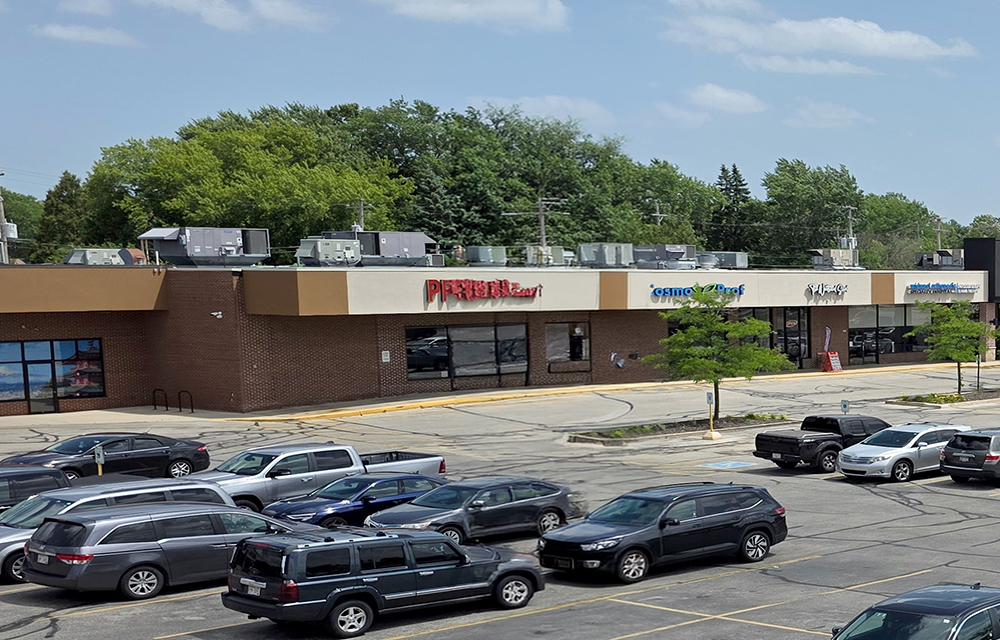
United Properties Corp. expands Wisconsin and Illinois retail presence adding 200,000 s/f
West Allis, WI United Properties Corp. completed two retail acquisitions totaling $27.4 million across Illinois and Wisconsin, adding 205,000 s/f of shopping center space to its portfolio



Quick Hits
 (2).gif)

Columns and Thought Leadership

Positive forecast for New York’s pro-housing push? - by Philip Butler
New York’s housing crisis remains a hot button topic despite growing consensus that varied and affordable housing is desperately needed statewide. Governor Hochul has recently introduced several initiatives to overcome N.Y.’s anti-housing

New York’s streets are full again, and the retail numbers prove it - by Noam Aziz
Walk down any New York block this year and you can feel it. The sidewalks are crowded, the storefronts are lit, and the energy that defines this city is back at full volume.

Hunt commercial real estate question and answer: Fortune 500 wisdom - by David Hunt
Yes, there are lessons to be learned from the largest companies in America when comes to managing your real estate. But the decision to buy or lease real estate may not be one of

A guide to finding the right NYC property management company - by Sanjay Gandhi
Being a small to midsize landlord in NYC is an increasingly demanding endeavor. From navigating complex regulations, increased compliance demands to dealing with tenant issues and remediating violations. It is wise to enlist the assistance of a partner, a professional
.gif)