News: Brokerage

Hudson Valley Property Group buys 311 units for $48.3 million; CBRE Affordable Housing and CBRE’s NY Institutional Group handle sale

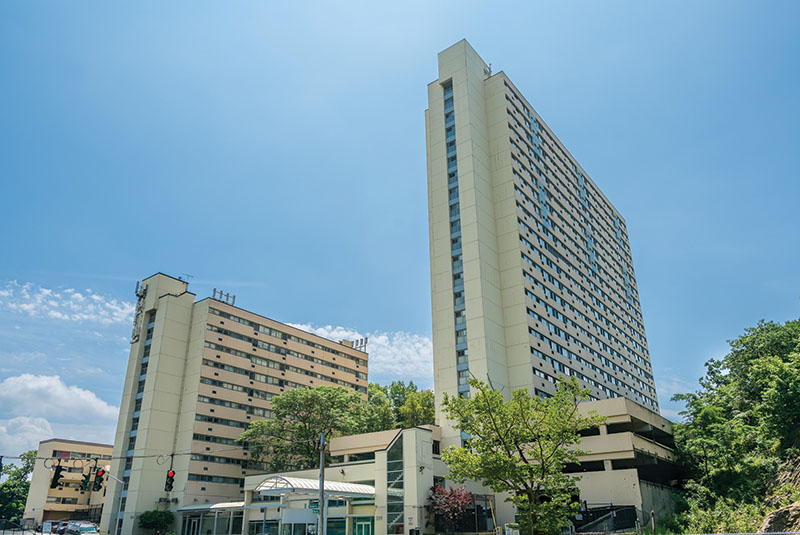
Yonkers, NY CBRE Affordable Housing and CBRE’s New York Institutional Group have completed the sale of the 311-unit, affordable housing community known as Parkledge. The property sold to Hudson Valley Property Group (HVPG) for $48.3 million. Tim Flint, executive vice president of CBRE Affordable Housing, along with Jeff Dunne, Gene Pride and Eric Apfel represented the seller in the transaction. 

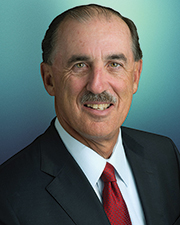
Tim Flint,
CBRE Affordable Housing

 

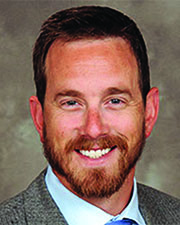
Jeff Dunne,
CBRE NY Institutional Group


Gene Pride,
CBRE NY Institutional Group


Eric Apfel,
CBRE NY Institutional Group


The property has maintained a high occupancy of over 97% since 2016 and 90% of Parkledge’s units are kept affordable by a LIHTC Land Use Restrictive Agreement. The property has a mix of one-, two-, three-, and four-bedroom apartments, making Parkledge an attractive location for families. The property is a 30-minute commute from downtown Manhattan.

“New York continues to be a hotbed for affordable housing investments,” said Flint, “We saw multiple attractive offers on this property and were able to secure a great buyer for the property – ensuring that much needed affordable housing will stay available in the greater New York area.

“Yonkers continues to experience strong investor interest given its proximity to Manhattan and the vast improvements and redevelopment occurring throughout the city,” said Dunne.

Equity for the transaction was provided by Hudson Valley Preservation Fund. The new owner plans to preserve the property as quality affordable housing and continue to invest in the building, prioritizing renovations that will increase energy efficiencies and resident security and quality of life. 

“My partner and I were born and raised in the Hudson Valley. We’re excited to be able to ensure that Parkledge remains quality affordable housing for families here in Yonkers for many years to come,” said Jason Bordainick, president at HVPG. “We thank the City and IDA for their support and for CBRE in running a smooth process. We look forward to building upon the work of previous ownership in continuing to make the property a great place to call home for the residents.”


READ ON THE GO
DIGITAL EDITIONS
Subscribe
Columns and Thought Leadership
A fresh start - by Shallini Mehra and Amit Doshi

A fresh start - by Shallini Mehra and Amit Doshi

For the past several years, the New York City multifamily housing market has been defined by disruption. The combined impact of the HSTPA rent laws and a sharply higher interest rate environment has fundamentally reduced
The death of the generic offering memorandum: What buyers expect in 2025 - by Kimberly Zar Bloorian

The death of the generic offering memorandum: What buyers expect in 2025 - by Kimberly Zar Bloorian

There was a time when an offering memorandum (OM) was pretty bare bones, some photos, a few bullet points on income, and a rent roll thrown in at the back. That used to get the job done. Not anymore. In 2025, buyers are sharper, faster, and more selective. They’re looking
The anticipated effect of Basel III and ISO 20022 implementation on commercial real estate - by Michael Zysman

The anticipated effect of Basel III and ISO 20022 implementation on commercial real estate - by Michael Zysman

July 1, 2025 is the deadline for US banks to begin to adopt Basel III banking standards and July 14, 2025 is the deadline for U.S. banks to adopt ISO 20022 messaging standards. Both will have a significant effect on the banking and commercial real estate (CRE) finance sectors.
Tri-state capital  migrates nationally amid  regulation pressure - by Reese Weaver

Tri-state capital migrates nationally amid regulation pressure - by Reese Weaver

New York tri-state multifamily investors are increasingly reallocating capital to less-regulated markets across the U.S. as rent control and legislative risk erode returns at home. With over 60% of New York City’s rental housing stock classified as rent-stabilized, the traditional value-add model — buying under-performing buildings,