



News:
Brokerage
Posted: May 21, 2019
Hudson Valley Economic Development Corp. welcomes Rider to Advisory Board

Catania, Mahon, Milligram &
Rider, PLLC
Poughkeepsie, NY Hudson Valley Economic Development Corp. (HVEDC), which revealed its intent to merge with the Westchester County Association (WCA), welcomed the addition of Michelle Rider, CPA, Esq. of Catania, Mahon, Milligram & Rider, PLLC, to its board of directors.
Rider joined Catania, Mahon, Milligram & Rider, PLLC, a law firm based in the Hudson Valley, as a partner in 2009. She currently practices in business and corporate law, health law and estate and succession planning. But before entering the realm of law, she worked as a certified public accountant, including experience in auditing mid-sized and large companies and nonprofit organizations.
“We are excited to welcome Michelle to our HVEDC advisory board,” said Mike Oates, president and CEO of HVEDC.
“Michelle’s work in corporate law and health law make her well placed to lend her expertise through HVEDC to business owners about various legal issues they must consider and confront in their operations. Her background as a CPA makes her even more valuable, as that gives her another avenue through which she can better understand business owners and entrepreneurs.”
Rider prides herself on bringing a financial and business perspective to her legal representation, and her ability to provide a comprehensive advisory approach to all clients as they navigate their transactions and other legal issues. She assists in the negotiation and drafting of complex and commercial financing documents, mergers and acquisitions, due diligence work and corporate governance. Michelle recently completed her tenure on the Board of Trustees of St. Luke’s Cornwall Hospital, where she served as chair during the hospital’s affiliation negotiations with the Montefiore Health System. She currently serves on the Ulster Savings Bank Board of Trustees.
“I’m looking forward to having the opportunity to serve on such a distinguished board and provide whatever value I can to the entrepreneurs of our region,” said Rider.
Tags:
Brokerage
MORE FROM Brokerage
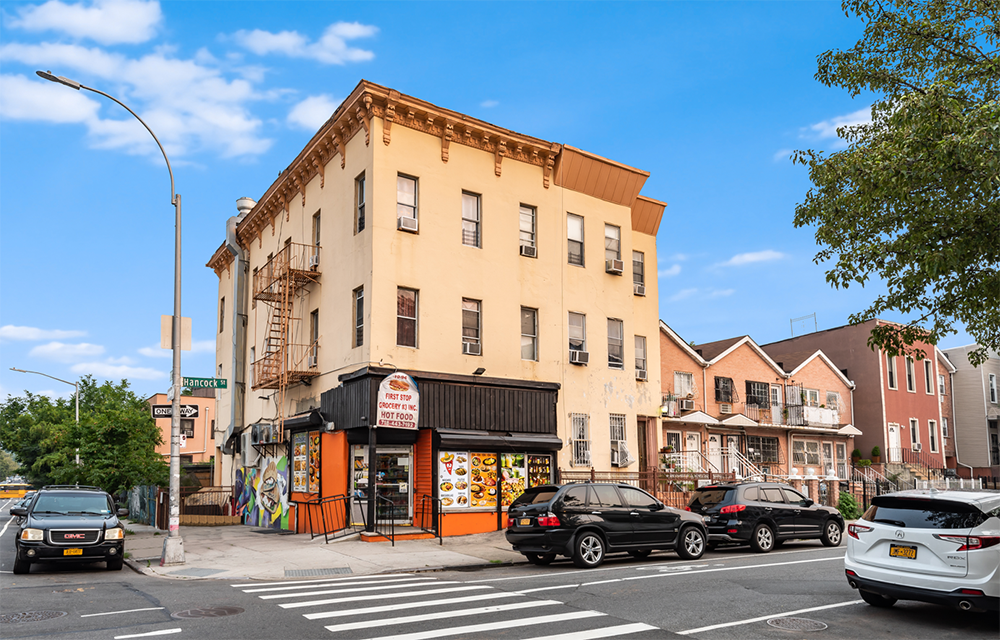
Investment Property Realty Group closes $1.75 million sale of 1094 Hancock Street in Brooklyn
Brooklyn, NY Investment Property Realty Group (IPRG), a New York-based commercial investment firm, has closed the sale of 1094 Hancock St., a mixed-use building in the Bushwick section, for $1.75 million.




Quick Hits
 (2).gif)

Columns and Thought Leadership

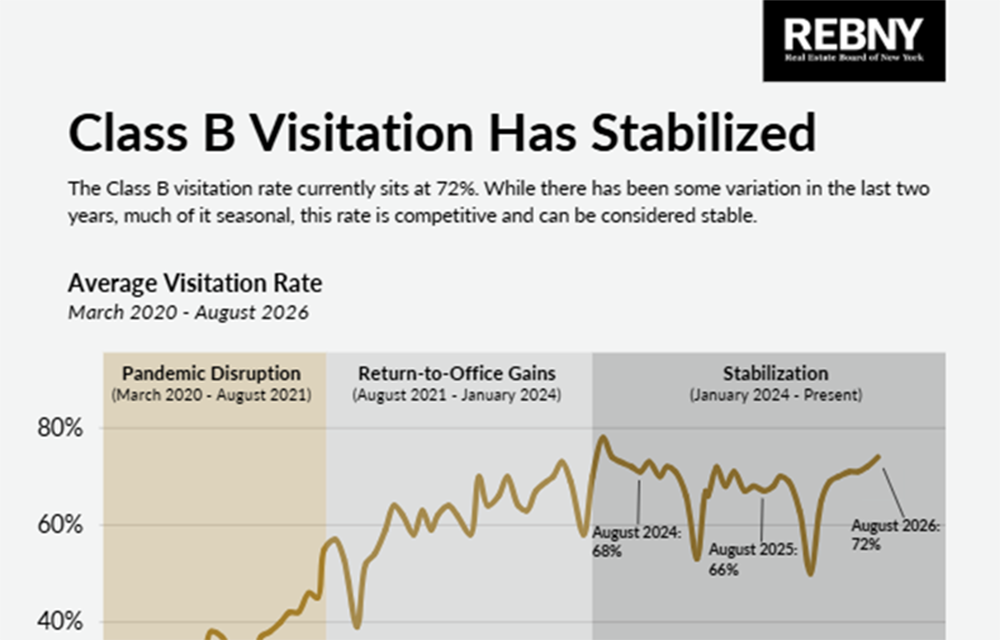
New York’s streets are full again, and the retail numbers prove it - by Noam Aziz
Walk down any New York block this year and you can feel it. The sidewalks are crowded, the storefronts are lit, and the energy that defines this city is back at full volume.

Hunt commercial real estate question and answer: Fortune 500 wisdom - by David Hunt
Yes, there are lessons to be learned from the largest companies in America when comes to managing your real estate. But the decision to buy or lease real estate may not be one of

A guide to finding the right NYC property management company - by Sanjay Gandhi
Being a small to midsize landlord in NYC is an increasingly demanding endeavor. From navigating complex regulations, increased compliance demands to dealing with tenant issues and remediating violations. It is wise to enlist the assistance of a partner, a professional

Hunt CRE question and answer: Choosing a real estate agent - by David Hunt
First, we will only work with one agent exclusively. The primary reason is that we want that agent to legally represent our client’s interests. In New York State, a real estate agent has a fiduciary
.gif)