



News:
Brokerage
Posted: September 3, 2019
HPD, Settlement Housing Fund, CPC acquire 58-unit building in the Bronx
Bronx, NY According to the NYC Department of Housing Preservation and Development, (HPD) Settlement Housing Fund, (SHF) the Community Preservation Corp. (CPC), and the NYC Acquisition Fund, they have completed the first property acquisition through the city’s Neighborhood Pillars Downpayment Assistance Fund. 1415-1417 Wythe Pl. is in the Mount Eden neighborhood and contains 58 units.
The Settlement Housing Fund intends to pursue financing for the rehabilitation of the property, building upgrades, and the preservation of affordable rent for all apartments. This is one project in the first wave of projects recently acquired by for-profit and non-profit organizations slated for preservation through the Neighborhood Pillars Program.
To date, HPD has facilitated the acquisition of five projects intended for the Neighborhood Pillars Program. These projects contain a combined total of approximately 10 buildings with a combined total of 339 apartments. The average rehabilitation investment needs is approximately $44,000 per unit. Through this program, residents will benefit from building and apartment renovations, rent-stabilized leases, and other affordability protections. Fifty percent of the 339 units will be permanently affordable.
The first non-profit acquisition to use the Neighborhood Pillars Downpayment Assistance Fund, 1415-1417 Wythe Pl., is a five-story walk-up building that was constructed in the early 1920s. Planned renovation work will likely include upgrades to the building’s electrical systems, installation of a new roof, and repairs to the façade and floors. Settlement Housing Fund is partnering with an engineering and building services consultant to generate an Integrated Physical Needs Assessment, which will inform the scope of the building rehab. The rehabilitation loan is expected to close at the end of 2019.
“In the midst of an affordability crisis, preservation is one of the most effective tools we have to assure families that they can continue to afford living in their homes and communities. The Neighborhood Pillars Program relies on dedicated non-profit and mission-based organizations with deep community ties to protect affordability and fortify the city’s existing housing stock,” said HPD commissioner Louise Carroll. “I want to thank our partners in development for their efforts as we continue to work together to preserve equitable housing opportunities for New York City families.”
“Settlement Housing Fund is proud to partner with HPD and the Community Preservation Corp. to ensure that 1415-1417 Wythe will remain affordable and in good condition for the long-term. Neighborhood Pillars is an innovative program that strengthens neighborhoods by investing in the places people live. New Yorkers shouldn’t have to choose between affordable rent and quality housing,” said Alexa Sewell, president of Settlement Housing Fund.
“I’m proud to partner with SHF to help preserve affordability for the tenants at Wythe Place, and to ensure that the building gets the attention and repairs it needs. Rent stabilized and naturally affordable unregulated buildings, like Wythe are the backbone of our city’s housing stock, and we need to do all we can to help preserve them. I thank HPD commissioner Louise Carroll and SHF president Alexa Sewell for their commitment to supporting our communities and advocating for our tenants,” said Rafael Cestero, president and CEO of CPC.
The Neighborhood Pillars program was launched in December 2018. The Program helps nonprofits and mission driven organizations acquire and preserve buildings, including ensuring affordability of unregulated units and investment in housing quality. The program includes a Downpayment Assistance Fund and construction and permanent financing through HPD and HDC. The Neighborhood Pillars Down Payment Assistance Fund was created with the assistance of CPC and a $2 million commitment from the Wells Fargo Foundation. The Fund allows for technical and financial assistance to be used by qualified non-profit organizations as a down payment or deposit on a contract to acquire properties and cover limited pre-acquisition costs. Organizations using the Neighborhood Pillars Downpayment Assistance Fund are eligible for acquisition financing through the NYC Acquisition Loan Fund.
CPC originated a New York City Acquisition Fund loan in the amount $10.3 million to assist SHF with the project’s acquisition and pre-development costs. CPC will also work with SHF to provide permanent financing and funds for renovation through a Fannie Mae Multifamily Affordable Housing loan in tandem with financing from HPD.
Pre-qualified nonprofits, mission-based organizations, and certified Minority- and Women-Owned Business Enterprises (M/WBEs) were identified for the program through a Request for Qualifications (RFQ) issued last spring. Potential buyers can continue to apply on a rolling basis.
Tags:
Brokerage
MORE FROM Brokerage
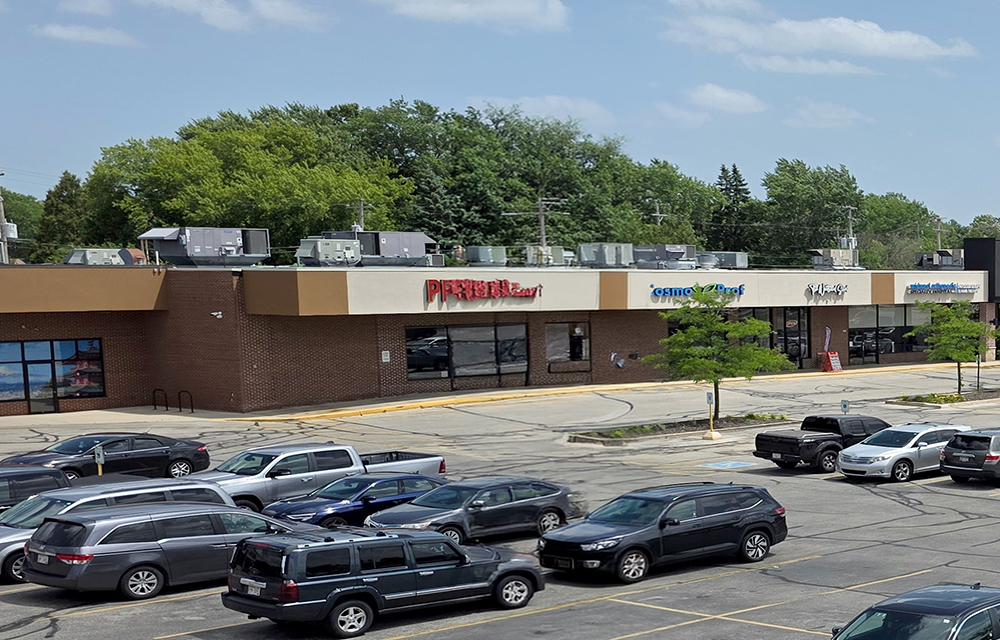
United Properties Corp. expands Wisconsin and Illinois retail presence adding 200,000 s/f
West Allis, WI United Properties Corp. completed two retail acquisitions totaling $27.4 million across Illinois and Wisconsin, adding 205,000 s/f of shopping center space to its portfolio


 (2).gif)

Columns and Thought Leadership

Hunt commercial real estate question and answer: Fortune 500 wisdom - by David Hunt
Yes, there are lessons to be learned from the largest companies in America when comes to managing your real estate. But the decision to buy or lease real estate may not be one of

New York’s streets are full again, and the retail numbers prove it - by Noam Aziz
Walk down any New York block this year and you can feel it. The sidewalks are crowded, the storefronts are lit, and the energy that defines this city is back at full volume.

A guide to finding the right NYC property management company - by Sanjay Gandhi
Being a small to midsize landlord in NYC is an increasingly demanding endeavor. From navigating complex regulations, increased compliance demands to dealing with tenant issues and remediating violations. It is wise to enlist the assistance of a partner, a professional

Positive forecast for New York’s pro-housing push? - by Philip Butler
New York’s housing crisis remains a hot button topic despite growing consensus that varied and affordable housing is desperately needed statewide. Governor Hochul has recently introduced several initiatives to overcome N.Y.’s anti-housing
.gif)