



News:
Brokerage
Posted: July 20, 2021
How material costs are impacting multifamily buyers - by Marc Hershberg

The multifamily housing sector is a $3 trillion industry—that’s approximately 14% of the U.S. GDP, and there is no doubt that multifamily housing plays a critical role in contributing to the nation’s economy. According to NMHC, multifamily housing provides residences for $32 million families and individuals alike. Single family housing starts topped the $1.57 million last month, the highest number since 2007, and apartment construction is approaching levels “last seen in the ’80s,” said Christopher Bruen, director of research for the National Multifamily Housing Council (NMHC). Despite the negative implications COVID-19 had on the global economy, approximately 389,000 apartment units were in the process of being introduced to the market in 2020, and such trends are projected to multiply exponentially in 2022.
Rising Material Costs
While the demand for single family units are at an all-time high, the price of lumber has increased by almost 200% across the U.S. due to experienced economic inflation. According to the National Association of Home Builders (NAHB), the current spike in lumber prices led to what industry insiders are calling a “lumber crisis.” While there are many suspected culprits, the NAHB blamed escalating lumber prices on insufficient domestic production, and severe lumber mill curtailments that lasted into 2020.
Soaring material costs, coupled with a shortage of skilled labor, has translated into a rapid rise in renovation prices which have negatively influenced ground-up, and value-add, real estate developers in addition to inflating the overall value of cash flowing assets. As a result, developers have reported decreased sales volume, which correlates to a decreased number of buyers, as well. Housing construction fell 5.5 million units short of historic levels over the past 20 years, according to a report from the National Association of Realtors (NAR). Permits for new construction, which are typically a forward-looking indicator of new housing starts, dropped 3% to a seasonally adjusted annual pace of 1.68 million. Single family permits were at 1.13 million – 1.6% below the April rate of 1.15 million. Meanwhile, multifamily permits were at 494,000 in May. “What the observers of the market should know is that the volatility of price movement will be extreme for the next 6 months at a minimum,” says Mike Wisnefski, CEO of Materials eXchange. “If lumber is an input cost in your business, then you should consider locking your pricing in when you know what the selling price is for your end product.” Despite such a negative outlook, value-add multifamily developers continue to forge ahead.
External Forces Playing a Role
The pandemic has caused global supply chain disruptions that skyrocketed the price of construction materials, and slowed down shipments. Materials such as copper have been in short supply, while tariffs on steel imports are also contributing to substantial building costs and have been boosting new home prices and contributing to higher levels of inflation. A separate report from the Labor Department on Wednesday showed import prices rising 1.1 % in May, which increased the year-on-year to 11.3 %, the largest gain since September 2011 (10.8 % in April). These external forces are primarily a function of government policies, and such legislation has been influencing supply chain disruption during the recent lockdown. Government intervention on trade wars, and immigration control, have contributed to worker and material shortages. “Affordable housing” initiatives seek to throw taxpayer dollars at the problem, while allowing the government to create shortages that remain as controlling factors. Such big-government responses will never make housing cheaper—this will just result in taxpayers being accountable for the economic disaster the government has created.
The Greater Impact on Multifamily Sales
In the current environment, cap rate compression is prevalent on existing cash-flowing assets. This is due to unforeseen construction delays, and project cost increases, as parties await more regulated pricing. Construction involving post-pandemic costs will bring additional complexity as general contractors that have agreed to “fixed pricing” provisions can no longer honor such agreements due to the severe losses they would incur on the basis of today’s material prices. Renters adjust their requirements according to what the market affords them, and if the pricing on materials escalates further, middle-class renters will not keep up financially due to being “renters by necessity” in some cases. The multifamily buyer today has to account for renters’ ability to afford their apartments. Amongst the workforce housing sector, these rental and pricing escalations are simply unachievable for many tenants. This isn’t just across the Sun Belt States where we own, develop, and operate: it’s nationwide.
Marc Hershberg is managing partner, CEO at Topaz Capital Group LLC, New York, N.Y.
Tags:
Brokerage
MORE FROM Brokerage
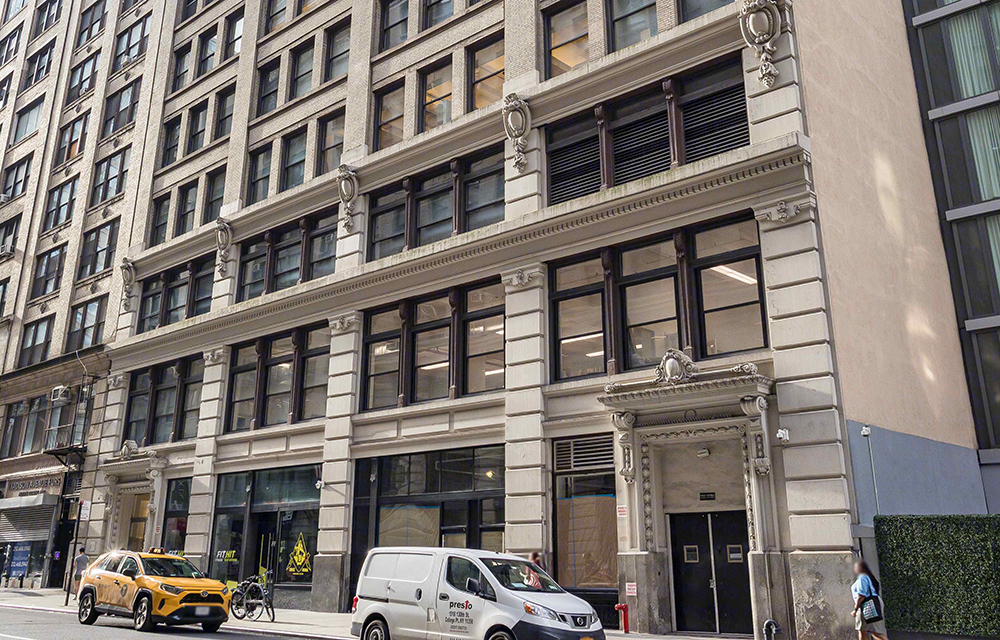
Koeppel Rosen inks 16-year 33,783 s/f lease for coworking firm Nomadworks at 122 West 27th St.
Manhattan, NY According to Koeppel Rosen LLC, leasing and management agent for the Rosen family portfolio, Nomadworks has signed a new 16-year, two-month lease totaling 33,783 s/f at 122 West



Quick Hits

Columns and Thought Leadership

The art of investing in real estate - by Thomas Donovan
Real estate investing is as much an art as it is a skill. No one can time the market, or the factors that drive it, perfectly. Location, zoning, size, transportation, and neighborhood density give you a baseline for

Hunt commercial real estate question and answer: Fortune 500 wisdom - by David Hunt
Yes, there are lessons to be learned from the largest companies in America when comes to managing your real estate. But the decision to buy or lease real estate may not be one of

New York’s streets are full again, and the retail numbers prove it - by Noam Aziz
Walk down any New York block this year and you can feel it. The sidewalks are crowded, the storefronts are lit, and the energy that defines this city is back at full volume.

Hunt CRE question and answer: Choosing a real estate agent - by David Hunt
First, we will only work with one agent exclusively. The primary reason is that we want that agent to legally represent our client’s interests. In New York State, a real estate agent has a fiduciary
.gif)