



News:
Brokerage
Posted: October 11, 2022
Housing has costs, and those costs rise - by Aaron Weber

Over the last 8 years, taxes increased 61% for a 10 unit building (with 3 rent regulated units) in the Chelsea neighborhood of Manhattan that is managed by Weber Realty.
Payroll expenses have jumped for supers and administrators as minimum wage in NYC increased 88% from $8.00/hr in 2014 to $15.00/hr in 2020. Maintenance and repairs also rose higher as exterminators, plumbers and electricians charge more for labor.
For the same 10 unit Chelsea building, insurance premiums increased an average of 8.12% per year over the last 3 years. Higher premiums are due to rising building costs, supply chain disruptions, and greater losses from floods, hurricanes and wildfires in recent years. Property insurance is also 15% more expensive for landlords than a standard homeowner policy because insurers are taking on additional risk due to the presence of renters.
Heating oil prices jumped 77% in just 2 months for a 40 unit residential building in Morningside Heights. According to Weber Realty Management “It cost $6,034.00 to fill up their oil tank on 1/10/2022. Two months later, on 3/11/2022 it cost $10,653.86 to fill up the same tank (which needs to be refilled every 2-3 weeks).”
In addition, between 2020-2021, cleaning expenses rose 40% due to COVID concerns. The stay at home mandate also drove up water usage by 10% during the same time period. Also in the summer of 2021, many pre-war buildings suffered damage from Hurricane Ida that required thousands of dollars in repairs.
Aaron Weber is owner/property manager with Weber Realty Management, New York, N.Y.
Tags:
Brokerage
MORE FROM Brokerage
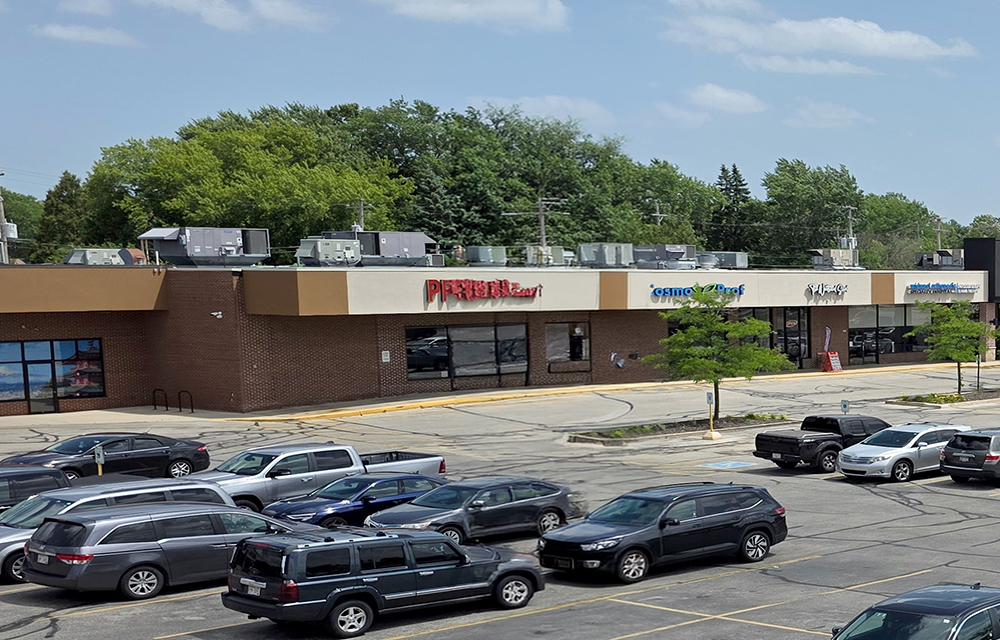
United Properties Corp. expands Wisconsin and Illinois retail presence adding 200,000 s/f
West Allis, WI United Properties Corp. completed two retail acquisitions totaling $27.4 million across Illinois and Wisconsin, adding 205,000 s/f of shopping center space to its portfolio


 (2).gif)

Columns and Thought Leadership

A guide to finding the right NYC property management company - by Sanjay Gandhi
Being a small to midsize landlord in NYC is an increasingly demanding endeavor. From navigating complex regulations, increased compliance demands to dealing with tenant issues and remediating violations. It is wise to enlist the assistance of a partner, a professional

Positive forecast for New York’s pro-housing push? - by Philip Butler
New York’s housing crisis remains a hot button topic despite growing consensus that varied and affordable housing is desperately needed statewide. Governor Hochul has recently introduced several initiatives to overcome N.Y.’s anti-housing

Hunt commercial real estate question and answer: Fortune 500 wisdom - by David Hunt
Yes, there are lessons to be learned from the largest companies in America when comes to managing your real estate. But the decision to buy or lease real estate may not be one of

New York’s streets are full again, and the retail numbers prove it - by Noam Aziz
Walk down any New York block this year and you can feel it. The sidewalks are crowded, the storefronts are lit, and the energy that defines this city is back at full volume.
.gif)