



News:
Brokerage
Posted: September 21, 2021
Houlihan Lawrence releases Second Quarter Commercial Market Report
Rye Brook, NY The Westchester County commercial market continues to show signs of strength with a rebound in office leasing while the demand for industrial/flex space remains strong and multi-family rents continue to make gains, according to the Houlihan Lawrence Second Quarter Commercial Market Report. Meanwhile, the retail sector continues to struggle with weak leasing activity. The volume of investment transactions in the second quarter was modest with volume dominated by multi-family properties
Here are the highlights from the report:
Visionary Developments Lead the Way in Transforming the Office Market
The Westchester Office market had a positive quarter where newly leased space exceeded space that was vacated. After three consecutive quarters of losing tenants, there has been a reversal in the office market led by a large deal in sub-let space. Lease pricing rebounded slightly, most likely driven by space type mix.
Major finance employers in New York City, such as Morgan Stanley, JP Morgan and Goldman Sachs are calling employees back to their offices, clearly signaling the importance of a collaborative physical office environment for each of those companies’ culture and employees’ professional growth. Other major employers have settled on a hybrid model, allowing flexibility to work from home a few days per week, depending on the position and its unique demands. While time will tell where the balance between traditional office and other formats settle, the transition from COVID home reclusion to a sustainable model that incorporates enhanced location flexibility for employees will profoundly impact office occupancy, in the city and its suburbs.
In Westchester, developer Martin Ginsburg just opened doors to a new re-developed multifamily rental building and is the first developer in executing a transformation from high-end offices to luxury rental apartments in the area. The former class A building located at 1 Martine Ave. in White Plains is an example of the creative transformation that may reshape the office market. It is a harbinger of what could occur nationwide if office occupancy is permanently altered post COVID.
Westchester One office tower, also in White Plains, demonstrates the preference that tenants exhibit for updated properties. This building recently underwent a multimillion-dollar renovation and in a relatively short period, has secured five leases totaling more than 100,000 s/f or 11% of the building.
Rent Growth Shows Up for Westchester Multifamily
A notable step-up in asking rents highlights the fundamental strength that this segment of the market continues to enjoy. Despite resumption of new unit deliveries during the second quarter of 2021, pricing and occupancy remained strong and on the upswing. This underscores the attractiveness of Westchester County for newly formed households and those seeking lower density environments with great access to infrastructure and services.
Under-construction multifamily units declined during the quarter suggesting that construction cost increases may be somewhat of a damper to new projects. A declining pipeline of new units under construction bodes well for multifamily fundamentals over the medium term.
Retail Fundamentals Steady with Little Growth in Demand for Physical Space
Retail fundamentals deteriorated marginally during the quarter. Despite positive leasing in the sub-let space, additional space was vacated, and leasing activity was weak. Overall rental rates remained stable. Analyzing rent pricing trends in the sublet and direct segments of the retail market, we observe that sublet prices were higher and direct prices weakened marginally. The restaurant industry, which is extremely important for retail occupancy has not yet recovered, and other service industries, historically important for retail occupancy such as fitness related businesses, are still struggling. However, the restaurant business is beginning to adapt to the COVID-19 environment. Especially with the dramatic growth in takeout service. As a result, we are seeing “second generation” restaurants that can do more business with a smaller footprint especially if there is an outdoor area.
Westchester Industrial Segment Continues to be in High Demand
Industrial and flex properties continue to experience strong demand. Leasing activity improved. Both direct and sublet demand exceeded supply during the quarter. New construction of industrial and flex properties increased marginally but the under-construction pipeline continues to be very modest given the size of the market. Pricing appeared to weaken slightly but this may be the result of the mix of flex/warehouses captured by the data. In sum, migration to e-commerce and consumer preference for short delivery times continue to fuel Westchester flex and industrial segment. In addition to e-commerce, industrial buildings are now becoming popular locations for “ghost kitchens” which are commercial kitchens optimized for food delivery. Each kitchen is located in areas with a high concentration of delivery demand. The kitchens themselves don’t have a storefront and the staff prepares dishes off their menus that are only available for delivery.
Investment Sales Remain Strategic
Investment transaction volumes overall remained modest during the second quarter, but pricing has rebounded reflecting the mix of transactions taking place. Volume was dominated by multifamily transactions. Supply-demand dislocations have also impacted the commercial real estate investment dynamics. Many investors are seeking to reduce exposure to certain office, retail, and hospitality assets and, in turn, appear to have an insatiable appetite for warehouse and multifamily assets. As a result, pricing trends have moved above historical bands for these two coveted property types.
“In the present subdued interest rate environment, investors are desperately seeking yield. As a result, capitalization rates for commercial real estate assets with in-place income have compressed. In contrast, empty buildings that need to be remodeled and re-positioned lay empty waiting for a buyer. Leasing uncertainty in major market segments such as lodging, office and retail, exacerbates this picture,” said Tom LaPerch, director of Houlihan Lawrence Commercial. “It follows that there is a meaningful opportunity in today’s market, for real estate investors with a vision and willingness to take re-positioning and re-leasing risk. At present, attractive deals can be found in buildings that are vacant and in many of those that have a weak tenant profile.”
Tags:
Brokerage
MORE FROM Brokerage
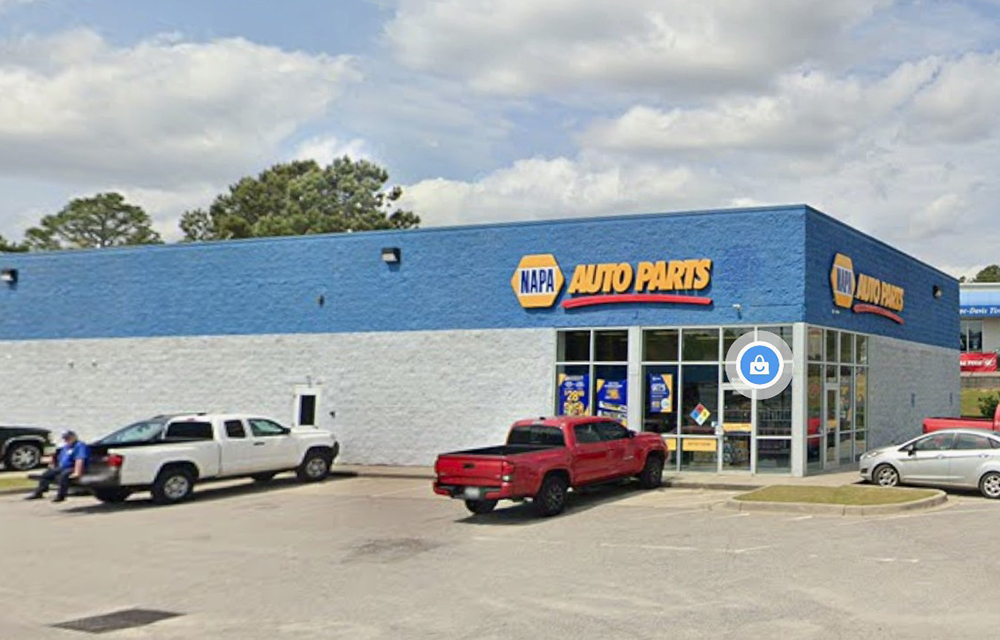
Marcus & Millichap brokers $15 million sale of multi-state NAPA Auto Parts portfolio
Palmetto, FL Marcus & Millichap brokered the sale of a nine-property NAPA Auto Parts portfolio for $15,025,104. The portfolio includes properties in Palmetto, FL.;




Quick Hits
 (2).gif)

Columns and Thought Leadership

Hunt commercial real estate question and answer: Fortune 500 wisdom - by David Hunt
Yes, there are lessons to be learned from the largest companies in America when comes to managing your real estate. But the decision to buy or lease real estate may not be one of

New York’s streets are full again, and the retail numbers prove it - by Noam Aziz
Walk down any New York block this year and you can feel it. The sidewalks are crowded, the storefronts are lit, and the energy that defines this city is back at full volume.

A guide to finding the right NYC property management company - by Sanjay Gandhi
Being a small to midsize landlord in NYC is an increasingly demanding endeavor. From navigating complex regulations, increased compliance demands to dealing with tenant issues and remediating violations. It is wise to enlist the assistance of a partner, a professional

Positive forecast for New York’s pro-housing push? - by Philip Butler
New York’s housing crisis remains a hot button topic despite growing consensus that varied and affordable housing is desperately needed statewide. Governor Hochul has recently introduced several initiatives to overcome N.Y.’s anti-housing
.gif)