



News:
Brokerage
Posted: December 9, 2014
Highlights from CityRealty Monthly Market Report
The following are highlights from CityRealty Monthly Market Report, which features month-to-month tracking of apartment sales, resale figures, and returns in addition to high-level data and analysis of the major trends in the NYC real estate market:
* While the vast majority of neighborhoods reported dips or only modest gains in sales over the month, the Upper East Side between Park and Fifth avenues doubled its sales volume thanks to sales brought in at 530 Park Avenue and 737 Park Avenue.
* For the four weeks ending on October 29th, prices were up nearly nine percent from September to October, though the number of apartment sales remained largely static: 417 condos sold for an average price of $2.7 million; 585 co-ops sold, for an average price of $1.2 million.
* One57 accounted for five of the top six most expensive sales in October, more than doubling the average price of Midtown West apartments in the last four weeks alone.
* A chart recording the annual resale price growth of condos by year of purchase since 2004. The average price of all Manhattan condos has increased at the rate of 7.6% per year (10-YR CAGR), reaching $2.417 million this year.
Tags:
Brokerage
MORE FROM Brokerage
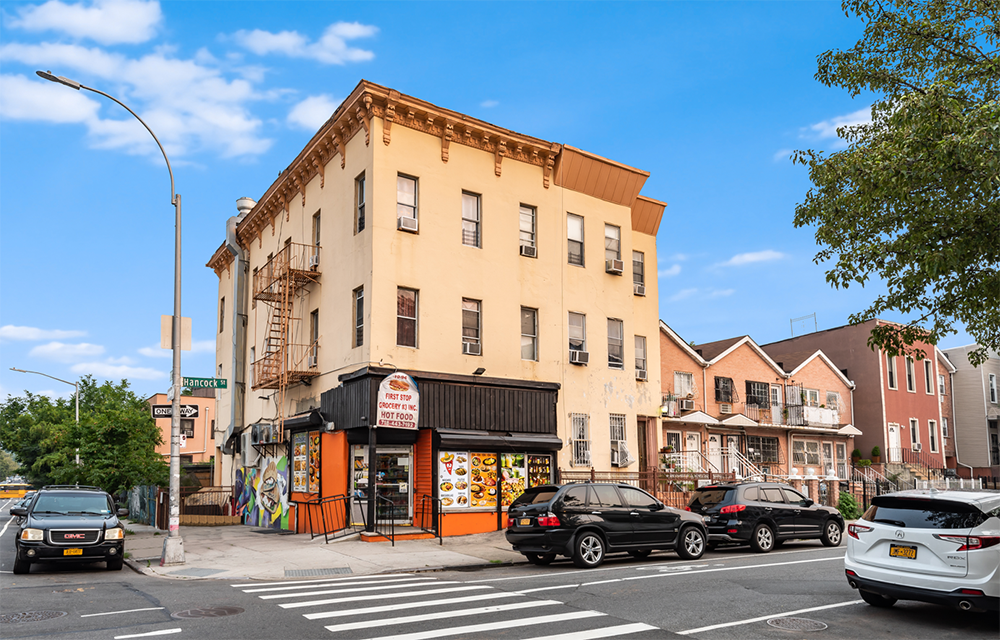
Investment Property Realty Group closes $1.75 million sale of 1094 Hancock Street in Brooklyn
Brooklyn, NY Investment Property Realty Group (IPRG), a New York-based commercial investment firm, has closed the sale of 1094 Hancock St., a mixed-use building in the Bushwick section, for $1.75 million.



Columns and Thought Leadership

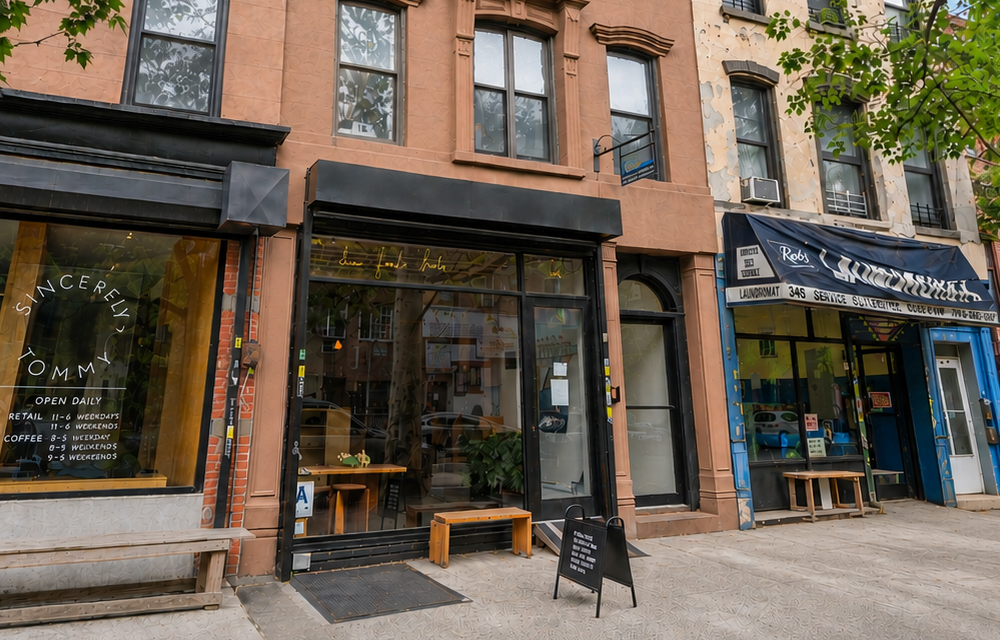
A guide to finding the right NYC property management company - by Sanjay Gandhi
Being a small to midsize landlord in NYC is an increasingly demanding endeavor. From navigating complex regulations, increased compliance demands to dealing with tenant issues and remediating violations. It is wise to enlist the assistance of a partner, a professional

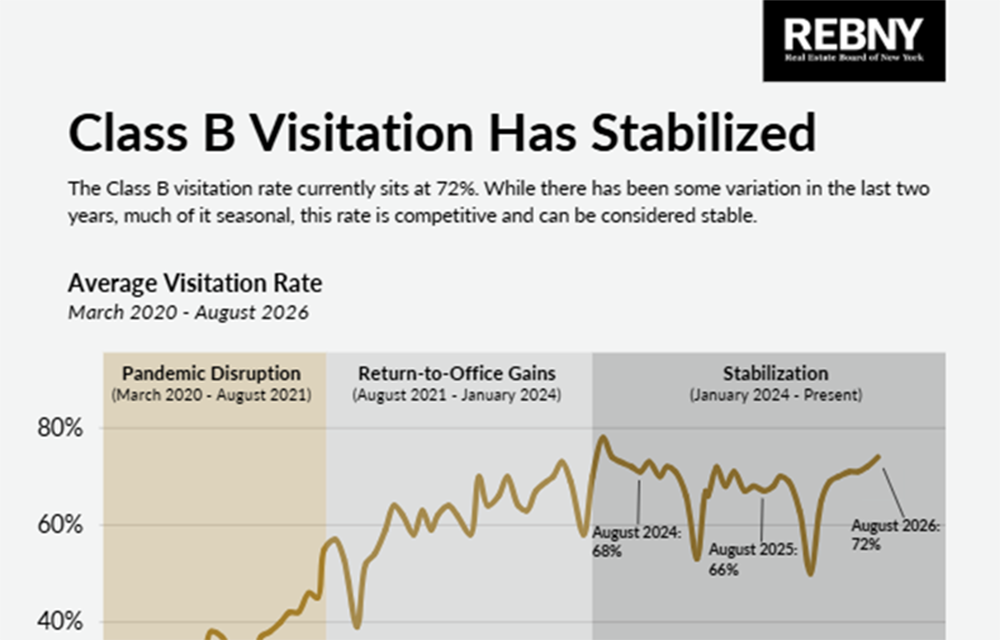
New York’s streets are full again, and the retail numbers prove it - by Noam Aziz
Walk down any New York block this year and you can feel it. The sidewalks are crowded, the storefronts are lit, and the energy that defines this city is back at full volume.

Hunt commercial real estate question and answer: Fortune 500 wisdom - by David Hunt
Yes, there are lessons to be learned from the largest companies in America when comes to managing your real estate. But the decision to buy or lease real estate may not be one of

Hunt CRE question and answer: Choosing a real estate agent - by David Hunt
First, we will only work with one agent exclusively. The primary reason is that we want that agent to legally represent our client’s interests. In New York State, a real estate agent has a fiduciary
.gif)