



News:
Brokerage
Posted: September 27, 2022
High income renters in regulated apartments - by Aaron Weber

Across 10 buildings in the Chelsea neighborhood of Manhattan, Weber Realty manages 45 regulated rental units. Rent roll data indicates that these stabilized/controlled units are receiving a 253% discount compared to its comparable market rate neighbors. For these 10 buildings, the average price of a rent regulated unit is $996/month. For a 1-bedroom, some rent controlled units pay less than $135 per month. There is even a 1,500 s/f 3-bedroom unit paying $256 per month occupying an entire floor of their building. Furthermore, the Rent Guidelines Board (RGB) mandates their rent cannot increase more than 1.5% a year. Most of these tenants are relatives of the original renter who transferred their lease through succession rights. This new generation of rent regulated tenants are college educated people that can afford market rate rent. The problem is that rent regulated units do not come with means testing, meaning that tenants are not selected based on their income or assets.
In the past, owners could deregulate an occupied unit if the total household annual incomes were over $200k for two preceding years. The purpose was to promote affordable housing and ensure the program is being used by those who actually need it. However the 2019 HSTPA laws reversed high income deregulation and a tenant with unlimited income is forever entitled to the regulated price. This is completely counterproductive to affordable housing. In fact, a Wall Street Journal analysis found that “wealthy, older Manhattanites benefit most from rent regulation.”
For an 18 unit building in the West Village neighborhood of Manhattan, Weber Realty found that this building owner needs at least $1,369/month per unit to break even on operating costs such as taxes, maintenance, labor, fuel, utilities, insurance, admin costs, mortgage, etc. There is no government subsidy provided to compensate the building owner for the loss of rent revenue associated with regulated units.
As operating expenses are rising in 2022, an owner’s only choice is to raise market rate rents in order to continue subsidizing their regulated rentals. It is a common misconception that these rent increases are going straight into the owner’s pocket as profit. In reality it is needed to cover the higher expenses associated with maintaining rent regulated units.
Aaron Weber is owner/property manager with Weber Realty Management, New York, N.Y.
Tags:
Brokerage
MORE FROM Brokerage
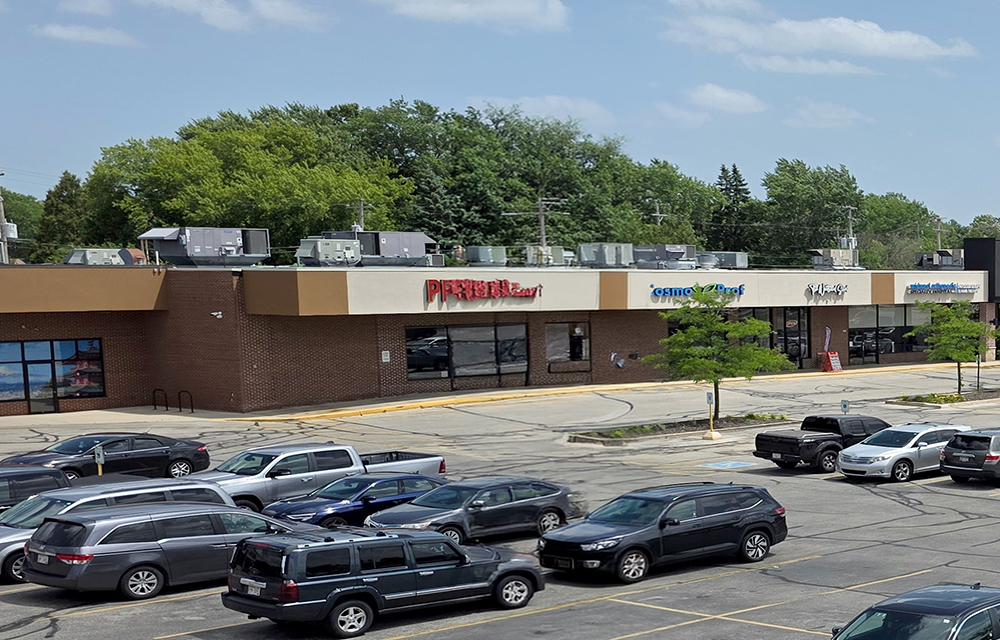
United Properties Corp. expands Wisconsin and Illinois retail presence adding 200,000 s/f
West Allis, WI United Properties Corp. completed two retail acquisitions totaling $27.4 million across Illinois and Wisconsin, adding 205,000 s/f of shopping center space to its portfolio


Quick Hits

Columns and Thought Leadership

Hunt commercial real estate question and answer: Fortune 500 wisdom - by David Hunt
Yes, there are lessons to be learned from the largest companies in America when comes to managing your real estate. But the decision to buy or lease real estate may not be one of

New York’s streets are full again, and the retail numbers prove it - by Noam Aziz
Walk down any New York block this year and you can feel it. The sidewalks are crowded, the storefronts are lit, and the energy that defines this city is back at full volume.

A guide to finding the right NYC property management company - by Sanjay Gandhi
Being a small to midsize landlord in NYC is an increasingly demanding endeavor. From navigating complex regulations, increased compliance demands to dealing with tenant issues and remediating violations. It is wise to enlist the assistance of a partner, a professional

Positive forecast for New York’s pro-housing push? - by Philip Butler
New York’s housing crisis remains a hot button topic despite growing consensus that varied and affordable housing is desperately needed statewide. Governor Hochul has recently introduced several initiatives to overcome N.Y.’s anti-housing
.gif)