



News:
Brokerage
Posted: September 24, 2012
HGAR launches new website tool
The Hudson Gateway Association of Realtor (HGAR) has launched its new "We Speak Your Language" website tool for members of the public to find Realtors who speak their native languages for home buying, selling or leasing transactions.
Now, anyone can visit HGAR's website, www.hgar.com, click on the "We Speak Your Language" flags icon, and choose from 187 different languages. A "search" button will then display a list of those Realtors who speak the requested language.
The new website tool is the brainchild of Eydie Lopez and Kevin O'Shea, the chair and vice chair of HGAR's Fair Housing & Cultural Diversity Committee. "Our focus this year was to reach out to our culturally diverse population and help them find real estate agents who can deal with them in the language they are most comfortable speaking," said Lopez. "We then created a database of languages so that we could provide even better services to those looking to rent, buy or sell properties."
HGAR's Multiple Listing Service, HGMLS, now offers an expanded service area that includes eight counties stretching from as far south as the Bronx to as far north as Ulster and Sullivan Counties. "With such a diverse population, we thought this was the best time to implement this new program," added Lopez.
In addition, people from around the nation or the world can now visit the website to find Realtors who speak their languages. "Our goal is to create a strong bridge between the public and our Association so that they can select the Realtor who will work best with them," said Richard Haggerty, HGAR CEO.
The Hudson Gateway Association of REALTORS® (HGAR) is a not-for-profit trade association covering over 9,000 real estate professionals doing business in Westchester, Putnam, Rockland, and Orange counties. HGAR is comprised of the former Westchester Putnam Association of REALTORS® (WPAR), Rockland County Board of REALTORS® (RCBR) and Orange County Association of REALTORS® (OCAR).
Tags:
Brokerage
MORE FROM Brokerage
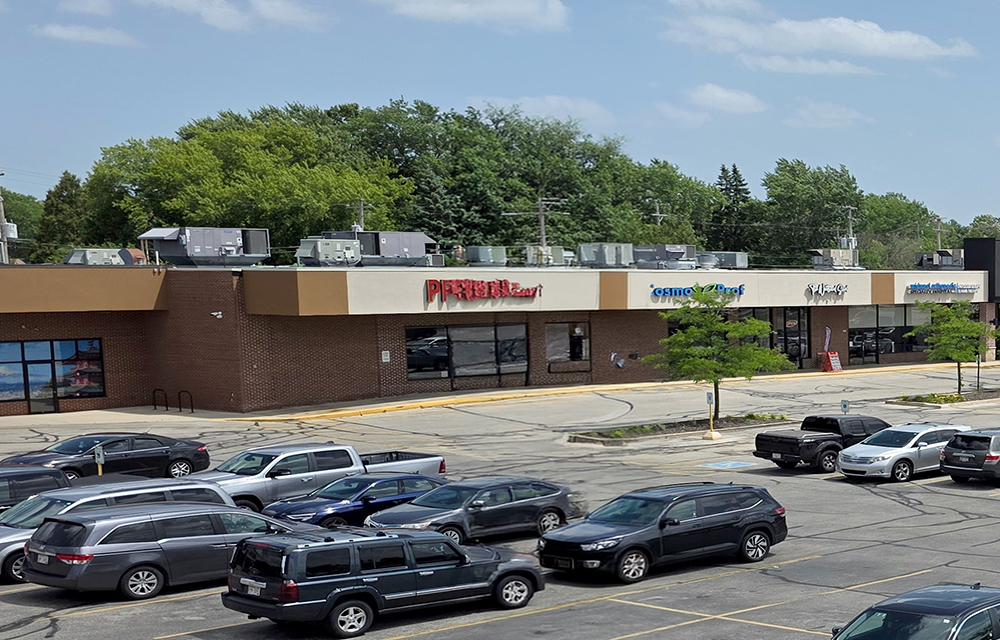
United Properties Corp. expands Wisconsin and Illinois retail presence adding 200,000 s/f
West Allis, WI United Properties Corp. completed two retail acquisitions totaling $27.4 million across Illinois and Wisconsin, adding 205,000 s/f of shopping center space to its portfolio



Columns and Thought Leadership

A guide to finding the right NYC property management company - by Sanjay Gandhi
Being a small to midsize landlord in NYC is an increasingly demanding endeavor. From navigating complex regulations, increased compliance demands to dealing with tenant issues and remediating violations. It is wise to enlist the assistance of a partner, a professional

New York’s streets are full again, and the retail numbers prove it - by Noam Aziz
Walk down any New York block this year and you can feel it. The sidewalks are crowded, the storefronts are lit, and the energy that defines this city is back at full volume.

Hunt commercial real estate question and answer: Fortune 500 wisdom - by David Hunt
Yes, there are lessons to be learned from the largest companies in America when comes to managing your real estate. But the decision to buy or lease real estate may not be one of

Positive forecast for New York’s pro-housing push? - by Philip Butler
New York’s housing crisis remains a hot button topic despite growing consensus that varied and affordable housing is desperately needed statewide. Governor Hochul has recently introduced several initiatives to overcome N.Y.’s anti-housing
.gif)