

News: Brokerage

Hammer and Neiss of Meridian Capital arrange $12.8 million loan; For 59-unit Bushwick residential condominium

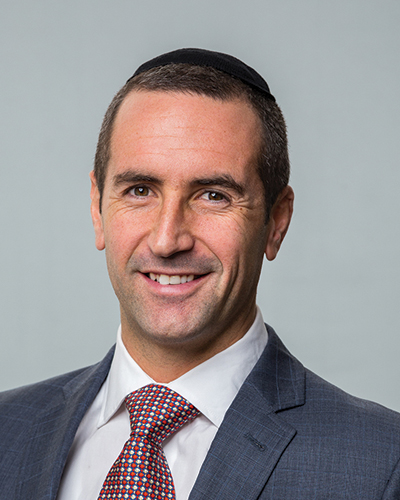
Judah Hammer, Meridian


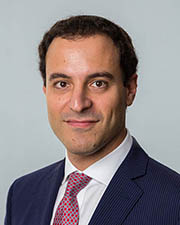
David Neiss, Meridian


Brooklyn, NY Meridian Capital Group arranged $12.8 million in balance sheet financing for a fractured condominium in the Bushwick neighborhood. 

The seven-year fixed-rate loan, provided by a balance sheet lender, features a rate of 3.76% and one year of interest-only payments. This transaction was negotiated by Meridian vice president, Judah Hammer, and associate, David Neiss, who are both based in the company’s New York City headquarters. 
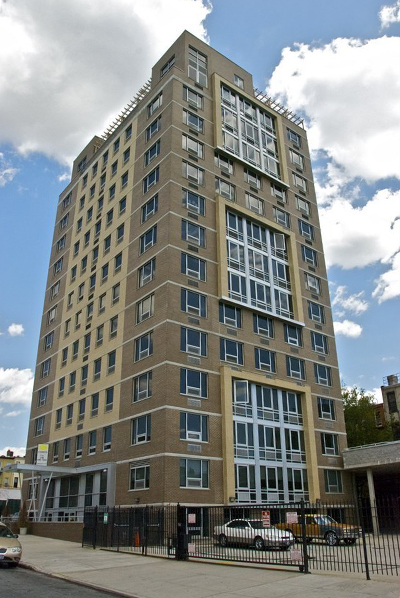
358 Grove Street, Bushwick - Brooklyn, NY

The property, located at 358 Grove St., is a 13-story, 59-unit fractured residential condominium, of which the loan collateral consists of 35-units and two community facility spaces. Located in Bushwick’s art scene, the building has 3,000 s/f of landscaped common areas, eight leasable rooftop cabanas, and 40 parking spaces in a gated parking lot. All the apartments come equipped with chef kitchens, complete with granite countertops and stainless steel appliances. Many of the apartments offer unobstructed views of the Manhattan skyline.

Well-situated within a reviving neighborhood active with new construction, the property is one block from restaurants, bars, cafés, and shops. The building is just a short distance from the L subway line at the Myrtle-Wyckoff Street Station, and the M subway line at the Seneca Ave. Station. The J and Z subway lines are also within walking distance.   

“Given the unique sub-asset class of fractured condominiums, identifying the most competitive lender that could underwrite the transaction, while still providing favorable terms, was a balancing act. Ultimately, Meridian’s market knowledge, extensive lender relationships and the strength of the sponsorship prevailed and we were able to negotiate accretive financing on competitive terms for our client,” said Hammer.

READ ON THE GO
DIGITAL EDITIONS
Subscribe
Columns and Thought Leadership
A fresh start - by Shallini Mehra and Amit Doshi

A fresh start - by Shallini Mehra and Amit Doshi

For the past several years, the New York City multifamily housing market has been defined by disruption. The combined impact of the HSTPA rent laws and a sharply higher interest rate environment has fundamentally reduced
The anticipated effect of Basel III and ISO 20022 implementation on commercial real estate - by Michael Zysman

The anticipated effect of Basel III and ISO 20022 implementation on commercial real estate - by Michael Zysman

July 1, 2025 is the deadline for US banks to begin to adopt Basel III banking standards and July 14, 2025 is the deadline for U.S. banks to adopt ISO 20022 messaging standards. Both will have a significant effect on the banking and commercial real estate (CRE) finance sectors.
Tri-state capital  migrates nationally amid  regulation pressure - by Reese Weaver

Tri-state capital migrates nationally amid regulation pressure - by Reese Weaver

New York tri-state multifamily investors are increasingly reallocating capital to less-regulated markets across the U.S. as rent control and legislative risk erode returns at home. With over 60% of New York City’s rental housing stock classified as rent-stabilized, the traditional value-add model — buying under-performing buildings,

The death of the generic offering memorandum: What buyers expect in 2025 - by Kimberly Zar Bloorian

The death of the generic offering memorandum: What buyers expect in 2025 - by Kimberly Zar Bloorian

There was a time when an offering memorandum (OM) was pretty bare bones, some photos, a few bullet points on income, and a rent roll thrown in at the back. That used to get the job done. Not anymore. In 2025, buyers are sharper, faster, and more selective. They’re looking