



News:
Brokerage
Posted: July 17, 2018
Ground leases and assemblages - by Thomas Kearns
Because of Olshan’s long standing practice in ground leases we have been involved in several assemblages of multiple parcels where our client is either the ground landlord of a key parcel or the developer attempting to incorporate a ground tenant position in the assemblage. Families who own New York real estate enter into long term (often 99 year) ground leases to maintain ownership of the property for the next generations. The ground lease structure reduces management headaches but also reduces some of the upside in value in exchange for a secure rent stream. The rent for vacant parcels does not truly become secure, however, until a new building is constructed on the parcel–once constructed, the building gives significant value to the tenant’s estate and, since a default in rent would deliver the building to the landlord without a payment, the incentive to stay current on rent is overwhelming.
Developers seek to assemble multiple parcels to maximize the size and floor plates of the new building and increase the efficiency of construction. But when an assemblage seeks to add a ground lease parcel, the complications can be enormous. For example, if a developer seeks to upzone a block, the municipality may approve of the upzoning on the condition that a park, school or other amenity is created in parts of the assemblage. If the developer owned all of the parcels outright he or she could freely locate the amenity. But if one of the parcels is ground leased, the ground landlord will not want the amenity located on its parcel because the amenity will reduce the parcel’s value and will benefit the fee owned parcels without consideration being paid to the landlord.
Another example involves the desire by the developer to construct one large building that crosses property lines of the ground leased parcel and the developer’s fee parcels. If the ground lease later terminates due to default or at the end of the 99 year term, the ground landlord must be able to independently operate the building that stands on its parcel. Many times the landlord will refuse to permit the larger building, i.e., it will require the developer to build an independent building on its lot. With the right incentives, a landlord might approve a building that straddles the property line using either a contractual arrangement or perhaps converting the owned estate from land to a condominium unit. Both scenarios involve complex documentation.
Another solution is for the developer to buy an adjacent fee or air rights parcel and contribute it at no charge to the ground landlord so that it becomes part of the leased premises. Typically the developer will argue that the rent should not change since the developer paid for the additional parcel but sometimes ground landlords will extract consideration since the additional parcel will only benefit the landlord after the lease terminates.
The key element that ground landlords must focus on is to be in a position after a default by the ground tenant or the expiration of the term to independently operate a property which has not been reduced in value by zoning changes or other restrictions.
Thomas Kearns is a partner with Olshan Frome Wolosky LLP’s real estate department, New York, N.Y.
Tags:
Brokerage
MORE FROM Brokerage
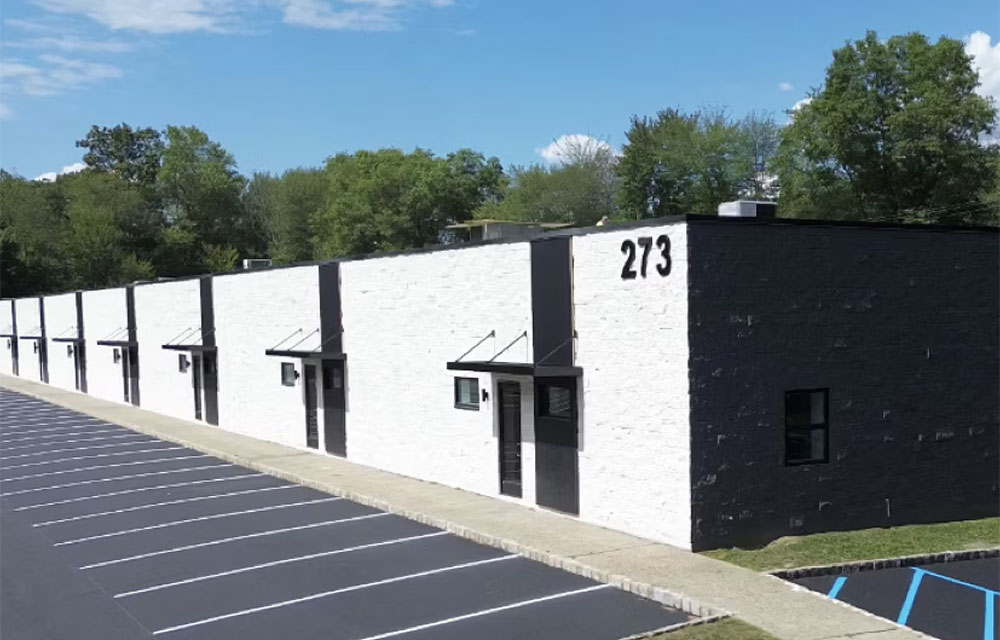
Resource Realty of Northern NJ delivers complete lease-up of 235 Franklin Rd. for Commerce Park Investors
Randolph, NJ Resource Realty of Northern New Jersey (RRNNJ) has completed the lease-up of a 10-unit small-bay industrial property at 273 Franklin Rd., marking the culmination of an investment strategy that began



Quick Hits
 (2).gif)

Columns and Thought Leadership

New York’s streets are full again, and the retail numbers prove it - by Noam Aziz
Walk down any New York block this year and you can feel it. The sidewalks are crowded, the storefronts are lit, and the energy that defines this city is back at full volume.

Positive forecast for New York’s pro-housing push? - by Philip Butler
New York’s housing crisis remains a hot button topic despite growing consensus that varied and affordable housing is desperately needed statewide. Governor Hochul has recently introduced several initiatives to overcome N.Y.’s anti-housing

Hunt commercial real estate question and answer: Fortune 500 wisdom - by David Hunt
Yes, there are lessons to be learned from the largest companies in America when comes to managing your real estate. But the decision to buy or lease real estate may not be one of

A guide to finding the right NYC property management company - by Sanjay Gandhi
Being a small to midsize landlord in NYC is an increasingly demanding endeavor. From navigating complex regulations, increased compliance demands to dealing with tenant issues and remediating violations. It is wise to enlist the assistance of a partner, a professional
.gif)