



News:
Brokerage
Posted: February 22, 2022
Greystone provides $203.143 million loan to refinance TRITEC’s Alston Station Sq.
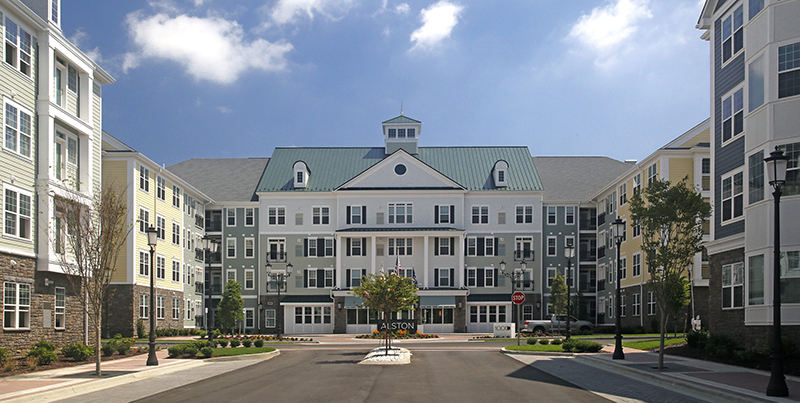
Ronkonkoma, NY Greystone, a private national commercial real estate finance company, provided a $203.143 million Freddie Mac Optigo loan made to an affiliate of TRITEC Real Estate Co. for the Alston Station Square, a recently-built, six-building, 489-unit class A market-rate rental apartment complex located at 1000 Mill Rd. in Suffolk County. The new 10-year, fixed-rate Freddie Mac loan refinances the original construction loan from Bank of America. The Greystone Capital Advisors team led by Drew Fletcher, Matthew Hirsch, Jesse Kopecky, and Tori Colledge served as exclusive advisors on behalf of the sponsor and assisted in arranging the financing which was provided by Greystone Servicing through its agency lending team, led by Dan Gillard who originated the loan from Greystone Servicing.
Alston is the first phase of The Hub at Ronkonkoma master development, a two million s/f master plan that the Town of Brookhaven awarded to TRITEC in 2012 to lead the transformation of the area as a regional transportation center for eastern Long Island.
The property is a four-story luxury multifamily complex within walking distance of the LIRR Ronkonkoma train station. Alston incorporates a suite of amenities exceeding all comparable assets in the surrounding market and on-par with newly constructed luxury residences in the greater New York metro area. Community amenities include a pool, multiple lounges, courtyards, and a fitness center with units featuring top-of-the-line finishes.
“TRITEC is excited to have worked with Greystone and Freddie Mac with this milestone transaction,” said Jim Coughlan, principal of TRITEC. “Greystone and Freddie Mac delivered a creative and foundational execution for Alston, phase one of this multi-phase project to build a regionally transformative development in Ronkonkoma.
“We are thrilled to have worked with TRITEC as they complete stabilization of this critical first phase of The Hub in Ronkonkoma,” said Drew Fletcher, president, Greystone Capital Advisors. “This financing is proof of their vision for the project to develop distinctive properties that create enduring value and enhance the neighborhoods in which they are located.”
Tags:
Brokerage
MORE FROM Brokerage
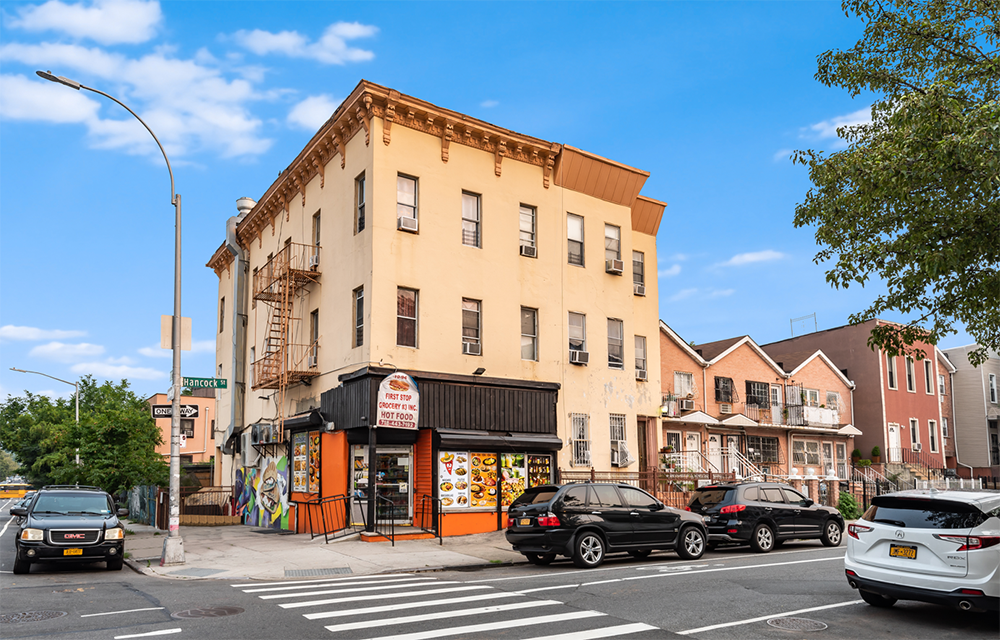
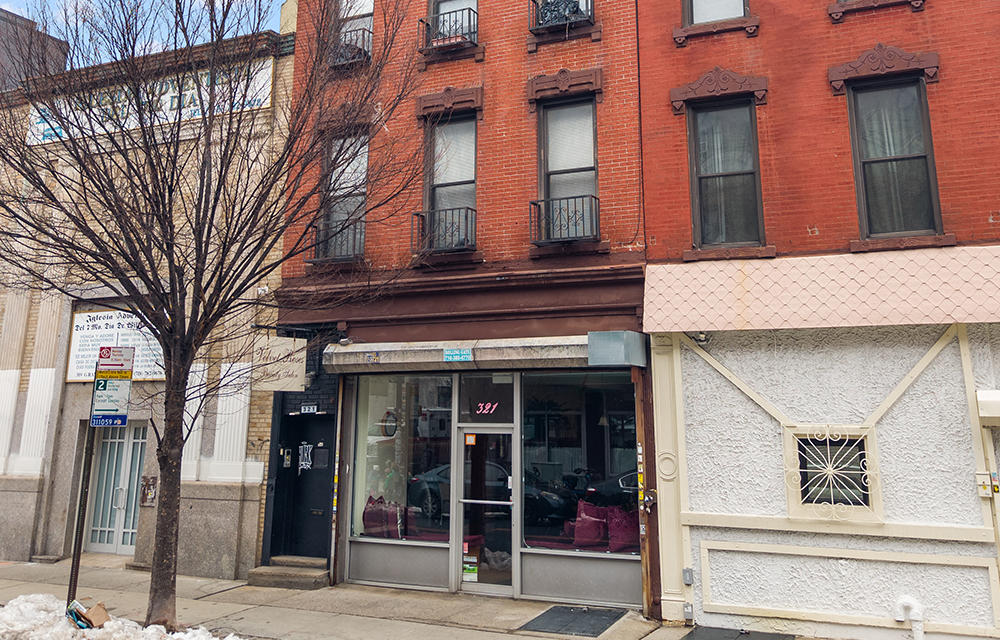
Investment Property Realty Group closes $1.75 million sale of 1094 Hancock Street in Brooklyn
Brooklyn, NY Investment Property Realty Group (IPRG), a New York-based commercial investment firm, has closed the sale of 1094 Hancock St., a mixed-use building in the Bushwick section, for $1.75 million.


Quick Hits

Columns and Thought Leadership

Hunt commercial real estate question and answer: Fortune 500 wisdom - by David Hunt
Yes, there are lessons to be learned from the largest companies in America when comes to managing your real estate. But the decision to buy or lease real estate may not be one of

A guide to finding the right NYC property management company - by Sanjay Gandhi
Being a small to midsize landlord in NYC is an increasingly demanding endeavor. From navigating complex regulations, increased compliance demands to dealing with tenant issues and remediating violations. It is wise to enlist the assistance of a partner, a professional

New York’s streets are full again, and the retail numbers prove it - by Noam Aziz
Walk down any New York block this year and you can feel it. The sidewalks are crowded, the storefronts are lit, and the energy that defines this city is back at full volume.

Hunt CRE question and answer: Choosing a real estate agent - by David Hunt
First, we will only work with one agent exclusively. The primary reason is that we want that agent to legally represent our client’s interests. In New York State, a real estate agent has a fiduciary
.gif)