



News:
Brokerage
Posted: November 22, 2022
GPARENCY to expand by hiring minimum of 100 part-time sales coordinators

GPARENCY, a national commercial real estate proptech platform providing competitive tools for finding and financing transactions, is celebrating its first anniversary by expanding its sales force with a minimum of 100 part-time sales coordinators by first quarter 2023. The newly created positions offer flexible hours, the ability to work 100 percent remotely, and a guarantee of an annual salary of $50,000, with stock options. Having recently launched its free Digital Marketplace directory in October, GPARENCY has already accrued on- and off-market listings for more than 20,000 properties, worth approximately $50 billion. Moreover, the firm has been actively growing its database by more than 2,500 new listings per month, which are updated regularly.
“We have expanded at a rate much faster than ever anticipated a year ago,” said Ira Zlotowitz, founder and CEO of GPARENCY. “Given the challenges of today’s workforce, we are offering tangible incentives for motivated people who need flexible hours and want to earn significant income working on a part-time basis. It is an ideal situation for college students, work-from-home parents, retirees who want to add to their savings, and anyone with the discipline and drive to learn and grow!”
All of the new sales coordinators will receive complimentary training webinars, sales materials, and industry leads. The program additionally includes such tools as a proprietary digital directory, aka Digital Marketplace, and round-the-clock access to experienced sales managers for consultations and guidance. The part-time sales positions entail a maximum commitment of 20 hours of telephone outreach weekly. More information about applying for the part-time sales coordinator positions is available at http://www.gparency.com
Tags:
Brokerage
MORE FROM Brokerage
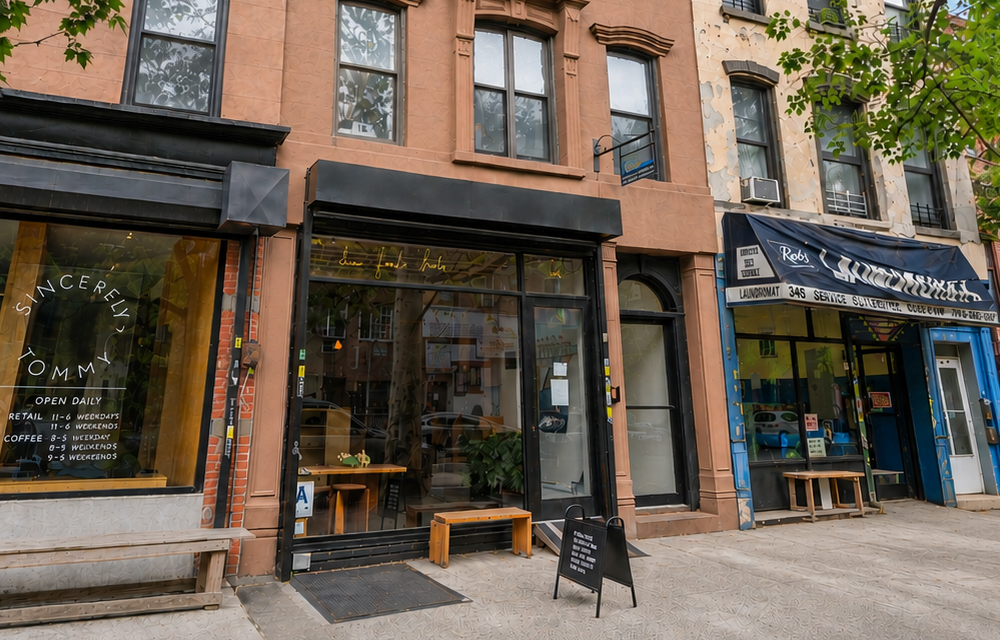
Bestreich, Reynolds, Davila, and Flaherty of Investment Property Realty Group close $1.97 million sale of 343A Tompkins Ave. in Bed-Stuy
Brooklyn, NY Investment Property Realty Group (IPRG) closed the sale of 343A Tompkins Ave., a mixed-use building located in the Bed-Stuy section of the borough, for $1.97 million.




Columns and Thought Leadership

Hunt CRE question and answer: Choosing a real estate agent - by David Hunt
First, we will only work with one agent exclusively. The primary reason is that we want that agent to legally represent our client’s interests. In New York State, a real estate agent has a fiduciary

New York’s streets are full again, and the retail numbers prove it - by Noam Aziz
Walk down any New York block this year and you can feel it. The sidewalks are crowded, the storefronts are lit, and the energy that defines this city is back at full volume.

A guide to finding the right NYC property management company - by Sanjay Gandhi
Being a small to midsize landlord in NYC is an increasingly demanding endeavor. From navigating complex regulations, increased compliance demands to dealing with tenant issues and remediating violations. It is wise to enlist the assistance of a partner, a professional

Hunt commercial real estate question and answer: Fortune 500 wisdom - by David Hunt
Yes, there are lessons to be learned from the largest companies in America when comes to managing your real estate. But the decision to buy or lease real estate may not be one of
.gif)