



News:
Brokerage
Posted: October 17, 2017
Gov. Cuomo celebrates completion of Rochester Intermodal Station: $44.3 million project

Rochester, NY Governor Andrew Cuomo and congresswoman Louise Slaughter joined Amtrak officials to open the new, $44.3 million Rochester Intermodal Station to passenger service. The new station will speed up travel with expanded track service, streamline operations with a modern concourse and baggage handling system, and improve the overall passenger experience with enhanced accessibility, retail amenities and a larger building inspired by the aesthetics and architecture of the historic Bragdon Station, which once stood on the same site.
“This magnificent new train station will be the front door to the Finger Lakes, improving rail travel, enhancing passenger and commercial rail service while supporting tourism and regional economic growth,” governor Cuomo said. “By working together with Congresswoman Slaughter and other leaders, we have built a new Rochester Station, a gateway for the region and another significant success in our efforts to modernize transportation infrastructure across the state.”
Congresswoman Louise Slaughter said, “This is a truly important day for Rochester and our region. It was seven years ago this month that I secured the first of several rounds of federal funding for this new station. Along the way, there were many meetings with stakeholders and constituents as the design took shape and construction began. I’m so proud to join governor Cuomo today to finally cut the ribbon on our new Americans with Disabilities Act-compliant station, which will get wheelchairs and strollers easily on board. This station was built by local companies and local workers. It will improve safety, strengthen our economy, and give passengers the welcome to our great city that they deserve. It recognizes Rochester’s past with inspiration from own Claude Bragdon while looking toward the future.”
The station, which was turned over to Amtrak to own and operate, replaces the “temporary” station that had served the region for 36 years. The design of the new station is reminiscent of the Bragdon Station, which was built on the site of the new station in 1914 and demolished in 1965.
At 9,500 s/f, the new station is larger than the 7,200 s/f former station. Operationally, the new Rochester Station improves train service and reduces travel delays. It features two new dedicated passenger tracks. The former station had only one platform track, which passenger and freight trains shared. The new station also has a two-sided, high-level passenger platform, which makes it easier for passengers to get on and off trains.
Funding for the project includes $23.4 million from the State Department of Transportation and $20.4 million in federal funding, including a $15 million grant from the Federal Railroad Administration through the Transportation Investment Generating Economic Recovery Program, which was secured by congresswoman Slaughter. The city contributed $500,000. Amtrak contributed to the new Passenger Information Display System at the station.
Retail space will include a Taste NY kiosk featuring locally made grab-and-go food and beverages. Downstairs, the concourse features an LED cube television system highlighting the Finger Lakes and other New York State attractions.
The station also has a more efficient system of handling the more than 40,000 pieces of luggage that travel through there annually. To the right of the new ticketing window, Amtrak has a secure counter to accept checked luggage. Baggage is transferred to trains through a newly constructed access tunnel to the new platform. The station also has a new, more reliable baggage cart.
The exterior of the station features a canopy over the front entrance capped by a four-foot-diameter clock set into the arched building facade above.
In addition, bicycle and pedestrian access to the station has been improved with new sidewalks, lighting and bicycle racks. Station parking has been reconfigured to improve accessibility and allow commercial bus operations to be linked to the station in the future.
CSX Transportation also contributed to the station project, preparing the site for station construction, including relocating live signal wires to make room for the new platform, concourse, and additional tracks. CSX also removed signal poles that were no longer in use, clearing additional space for station construction.
Tags:
Brokerage
MORE FROM Brokerage
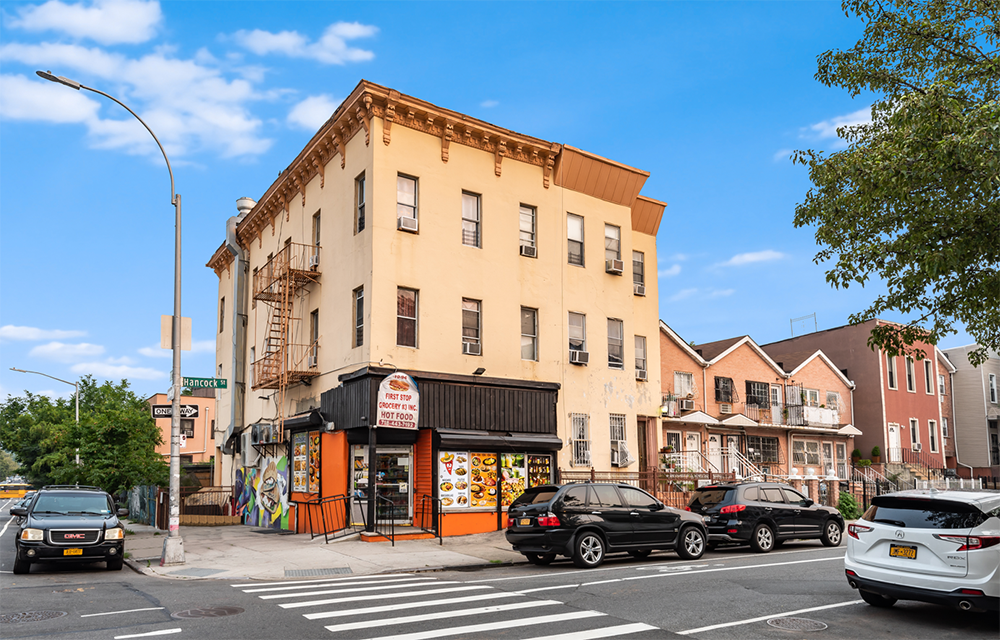
Investment Property Realty Group closes $1.75 million sale of 1094 Hancock Street in Brooklyn
Brooklyn, NY Investment Property Realty Group (IPRG), a New York-based commercial investment firm, has closed the sale of 1094 Hancock St., a mixed-use building in the Bushwick section, for $1.75 million.


 (2).gif)

Columns and Thought Leadership

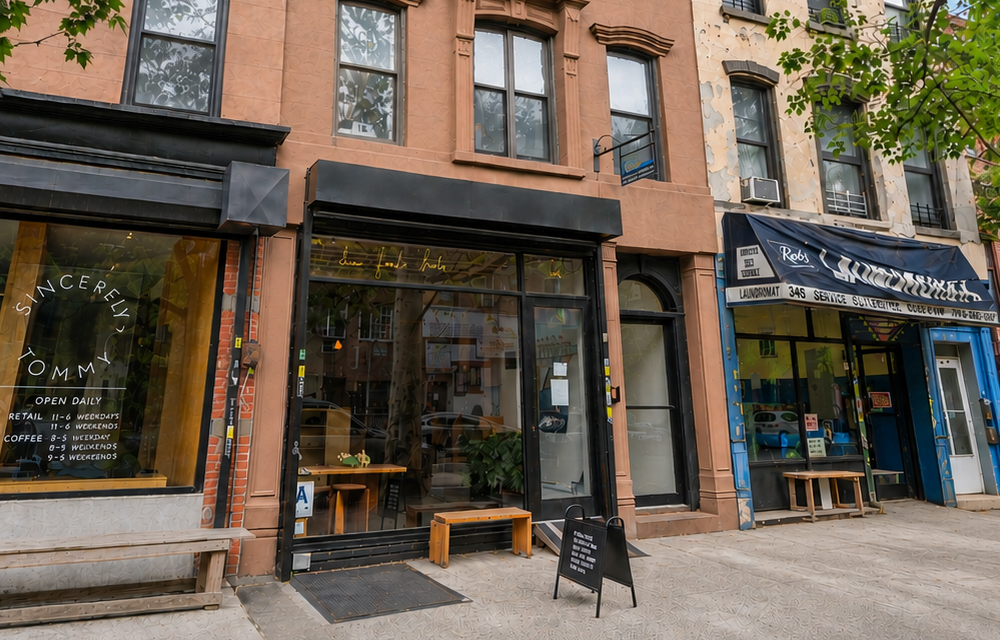
New York’s streets are full again, and the retail numbers prove it - by Noam Aziz
Walk down any New York block this year and you can feel it. The sidewalks are crowded, the storefronts are lit, and the energy that defines this city is back at full volume.

A guide to finding the right NYC property management company - by Sanjay Gandhi
Being a small to midsize landlord in NYC is an increasingly demanding endeavor. From navigating complex regulations, increased compliance demands to dealing with tenant issues and remediating violations. It is wise to enlist the assistance of a partner, a professional

Hunt commercial real estate question and answer: Fortune 500 wisdom - by David Hunt
Yes, there are lessons to be learned from the largest companies in America when comes to managing your real estate. But the decision to buy or lease real estate may not be one of

Hunt CRE question and answer: Choosing a real estate agent - by David Hunt
First, we will only work with one agent exclusively. The primary reason is that we want that agent to legally represent our client’s interests. In New York State, a real estate agent has a fiduciary
.gif)