



News:
Brokerage
Posted: October 17, 2017
Berg of GFI Realty Services facilitates $12.5 million sale of 50,000 s/f apartment building; Barbanel of Barberry Rose Management is buyer
Manhattan, NY GFI Realty Services, LLC has completed the $12.5 million sale of 390 Wadsworth Ave., a 42-unit, pre-war elevator apartment building located in the Washington Heights neighborhood. GFI Realty senior associate Sasha Berg represented both the buyer, Lewis Barbanel of Barberry Rose Management and the seller in the transaction.
The 50,000 s/f building is composed of one one-bedroom unit, 18 two-bedroom units, 11 three-bedroom units, and 12 five-bedroom units, all of which are rent stabilized.
“For the buyer, this deal presented a unique opportunity to acquire a long-term asset in a prime Manhattan neighborhood that is clearly on the rise,” said Berg. “The property sold for a cap rate of just 3.6%, as the buyer recognized the building’s significant upside and decided to make this long-term investment.”
“This transaction speaks volumes to the continued ascendance of Washington Heights,” Berg said. “The investment of a savvy buyer like Barberry Rose in this submarket is further validation that Washington Heights has great potential in its future growth.”
The building’s location provides convenient access to the 1 train at 191st Street as well as several bus lines. The building is ideally situated just off of St. Nicholas Avenue, a major commercial thoroughfare within the neighborhood, home to numerous shops and restaurants.
For Barberry Rose Management, this acquisition comes on the heels of another recent multifamily pick-up, a 13-building, 363-unit portfolio in neighboring Inwood, which the firm acquired for $63.6 million. Following that portfolio acquisition, the purchase of 390 Wadsworth underscores the buyer’s belief in Washington Heights’ ascendance and the company’s longstanding commitment to the area.
In recent years, Washington Heights has emerged as one of Manhattan’s most attractive residential neighborhoods, which has drawn a steady stream of new residents to the area’s largely classic, pre-war housing stock. Residents also benefit from the area’s numerous mass transit options and competitive price points when compared to other area neighborhoods.
Tags:
Brokerage
MORE FROM Brokerage
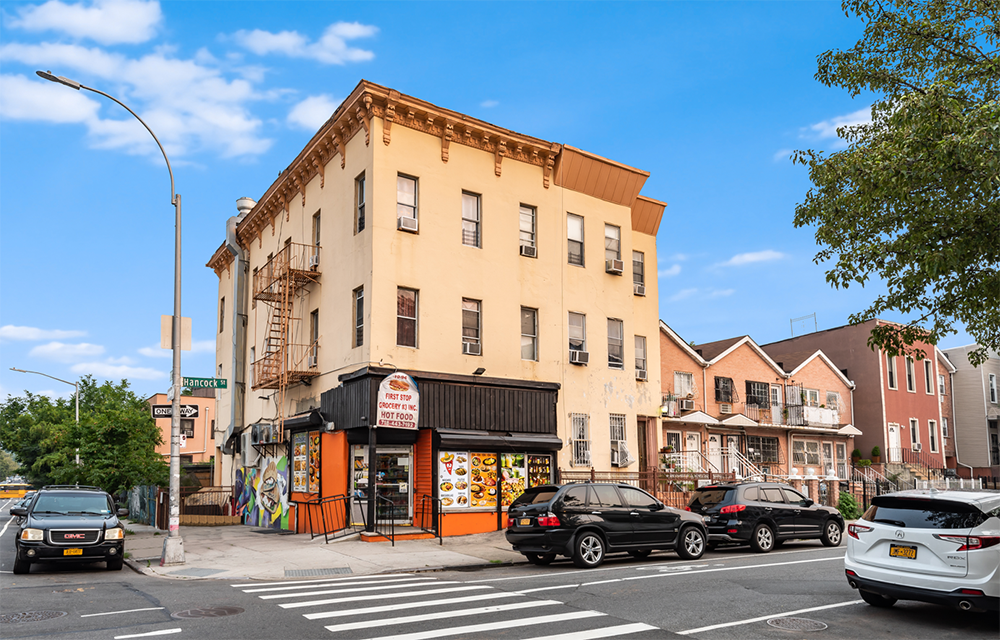
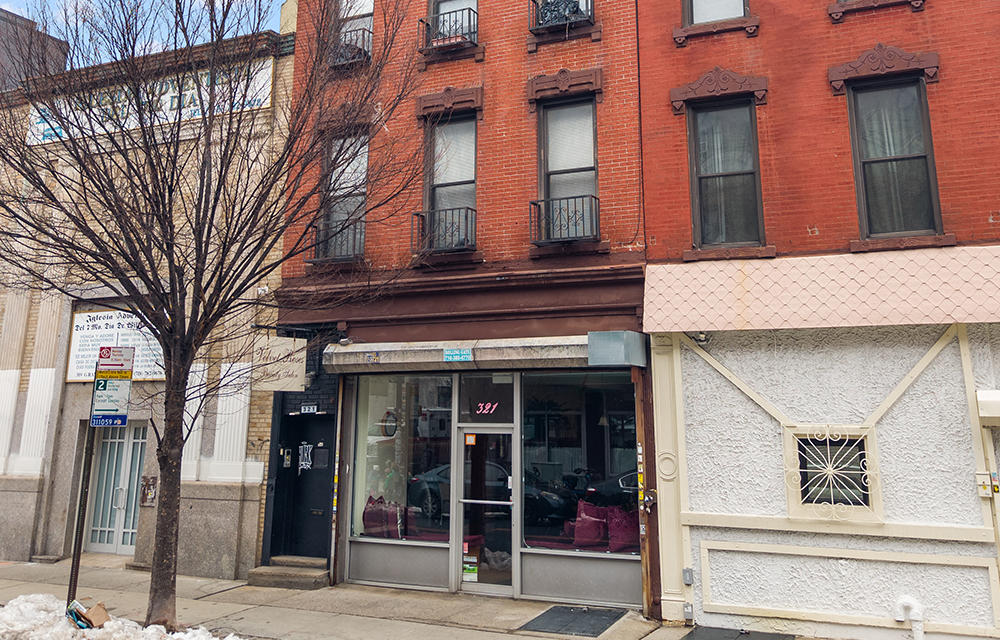
Investment Property Realty Group closes $1.75 million sale of 1094 Hancock Street in Brooklyn
Brooklyn, NY Investment Property Realty Group (IPRG), a New York-based commercial investment firm, has closed the sale of 1094 Hancock St., a mixed-use building in the Bushwick section, for $1.75 million.


Quick Hits
 (2).gif)

Columns and Thought Leadership

New York’s streets are full again, and the retail numbers prove it - by Noam Aziz
Walk down any New York block this year and you can feel it. The sidewalks are crowded, the storefronts are lit, and the energy that defines this city is back at full volume.

A guide to finding the right NYC property management company - by Sanjay Gandhi
Being a small to midsize landlord in NYC is an increasingly demanding endeavor. From navigating complex regulations, increased compliance demands to dealing with tenant issues and remediating violations. It is wise to enlist the assistance of a partner, a professional

Hunt CRE question and answer: Choosing a real estate agent - by David Hunt
First, we will only work with one agent exclusively. The primary reason is that we want that agent to legally represent our client’s interests. In New York State, a real estate agent has a fiduciary

Hunt commercial real estate question and answer: Fortune 500 wisdom - by David Hunt
Yes, there are lessons to be learned from the largest companies in America when comes to managing your real estate. But the decision to buy or lease real estate may not be one of
.gif)