



News:
Brokerage
Posted: January 27, 2014
GCP Capital Group negotiates 13 finance deals totaling $48.9 million
GCP Capital Group LLC has arranged mortgage financing for the following 13 transactions totaling $48.9 million:
* $8.2 million for a loan on 115 co-op apartments in a six-story co-op apartment building in Astoria, Queens. Matthew Classi, managing member of GCP, arranged the financing.
* $6.4 million for two seven-story apartment buildings containing a total of 37 apartments and 10 stores, located on Amsterdam Ave., Manhattan. Adam Brostovski, principal of GCP, arranged the financing.
* $6 million for a five-story apartment building containing four apartments and ground floor retail of 2,100 s/f, located on East 19th St., Manhattan. Matthew Albano, senior broker of GCP, arranged the financing.
* $5.5 million for a newly developed one-story commercial building of 15,000 s/f in Springfield Gardens, Queens. Paul Greenbaum, managing member of GCP, arranged the financing.
* $4.625 million for a six-story apartment building containing 60 units, located on East 196th St., Bronx. Greenbaum arranged the financing.
* $3.6 million for a six-story apartment building containing 25 units, located on West 151st St., Manhattan. Brostovski arranged the financing.
* $3.375 million for a portfolio of four five-story apartment buildings containing a total of 57 apartments, located on Clay Ave., Bronx. Stephen Katz, senior associate of GCP, arranged the financing.
* $2.9 million for a five-story apartment building containing 21 units and 2,460 s/f of commercial space located on West 175th St., Manhattan. Brostovski arranged the financing.
* A second mortgage in the amount of $2.2 million for a six-story apartment building containing 29 units and 4,200 s/f of commercial space, located on Delancey St., Manhattan. Greenbaum arranged the financing.
* $1.8 million for a five-story apartment building containing 18 apartments and three stores, located on Audubon Ave., Manhattan. Brostovski arranged the financing.
* $1.7 million for a four-story apartment building containing six apartments and one ground floor retail space, located on Fourth Ave., Brooklyn. Classi arranged the financing.
* $1.4 million for a one-story retail building containing six stores, located on Nagle Ave. in Manhattan.Brostovski arranged the financing.
* $1.2 million for a three-story apartment building containing nine units, located on 12th St., Brooklyn. George Spanos, associate of GCP, arranged the financing.
Tags:
Brokerage
MORE FROM Brokerage
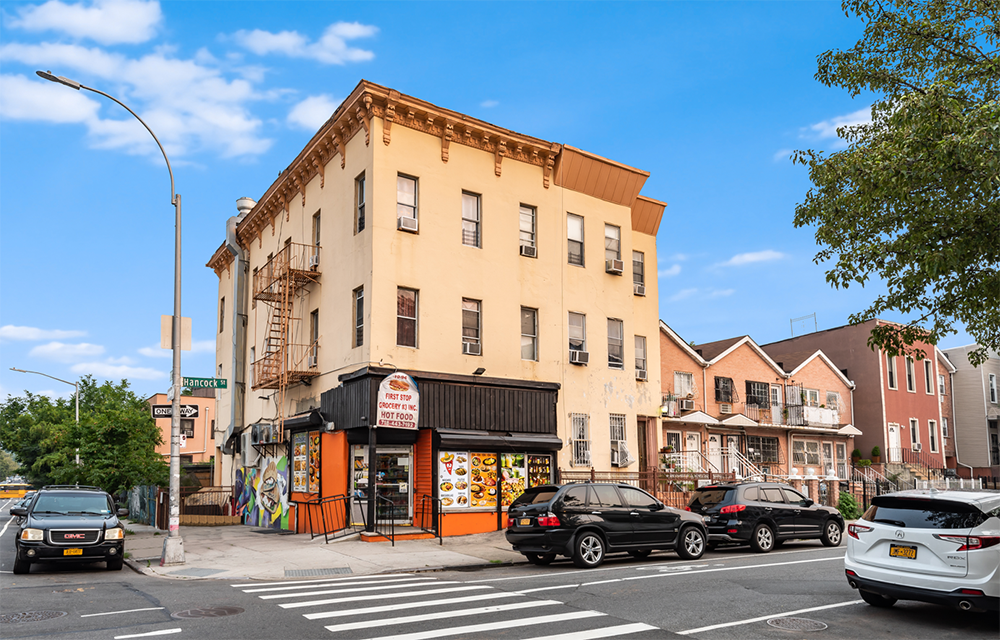
Investment Property Realty Group closes $1.75 million sale of 1094 Hancock Street in Brooklyn
Brooklyn, NY Investment Property Realty Group (IPRG), a New York-based commercial investment firm, has closed the sale of 1094 Hancock St., a mixed-use building in the Bushwick section, for $1.75 million.


Quick Hits

Columns and Thought Leadership

Hunt CRE question and answer: Choosing a real estate agent - by David Hunt
First, we will only work with one agent exclusively. The primary reason is that we want that agent to legally represent our client’s interests. In New York State, a real estate agent has a fiduciary

A guide to finding the right NYC property management company - by Sanjay Gandhi
Being a small to midsize landlord in NYC is an increasingly demanding endeavor. From navigating complex regulations, increased compliance demands to dealing with tenant issues and remediating violations. It is wise to enlist the assistance of a partner, a professional

Hunt commercial real estate question and answer: Fortune 500 wisdom - by David Hunt
Yes, there are lessons to be learned from the largest companies in America when comes to managing your real estate. But the decision to buy or lease real estate may not be one of

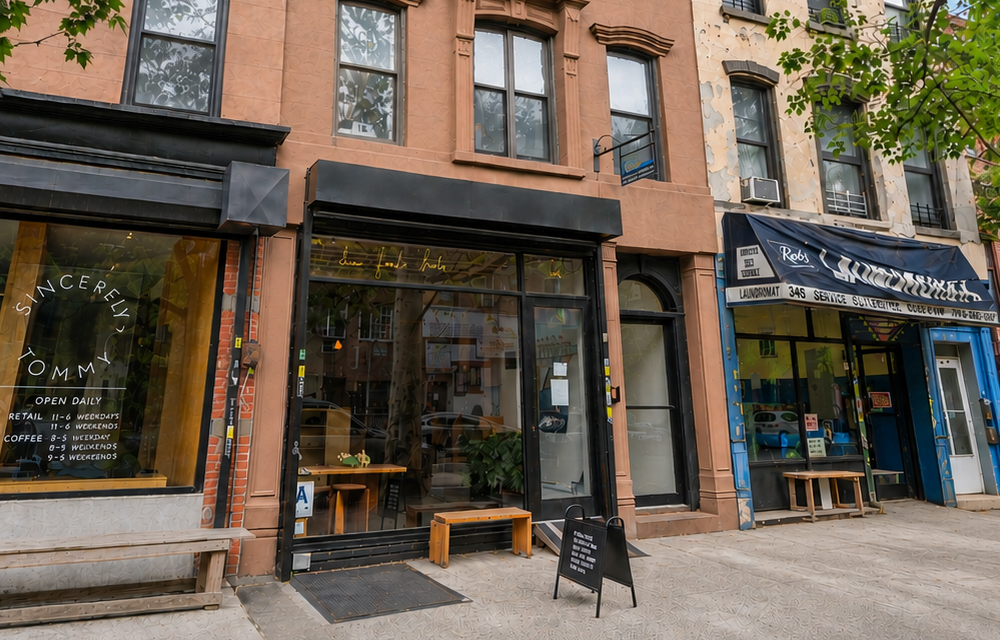
New York’s streets are full again, and the retail numbers prove it - by Noam Aziz
Walk down any New York block this year and you can feel it. The sidewalks are crowded, the storefronts are lit, and the energy that defines this city is back at full volume.
.gif)