



News:
Brokerage
Posted: June 28, 2022
From likes to leasing: How commercial real estate professionals are utilizing social media - by Chris Okada

The COVID-19 pandemic forced many industries to go digital—including commercial real estate, which has typically been slow to adopt new technology. Implementing a digital marketing strategy, inclusive of social media, became one of the only ways to survive, especially in urban areas like New York, which experienced major shutdowns and stay-at-home orders.
Over the years, social media has significantly evolved. It originated simply as a space for interaction, but is now a valuable tool utilized by businesses to build brand awareness, engage with consumers, increase market reach, and more. Today, in order to maximize the benefits derived from using social media, it’s essential to have a clear understanding of your target audience and the content they are looking to consume. Once that has been determined, you will need a detailed communications strategy and plan for implementing your social media marketing efforts.
The past two years proved pivotal for commercial real estate, and many companies quickly took advantage of social media as a way to garner business. For the first time in more than a decade, CRE professionals expanded their social media presence outside of traditional platforms like Linked-In, creating more content for other social media platforms such as Instagram, Twitter, and even TikTok. The move has generated a surprising and welcome uptick in response.
When you look at generating new leads and connections, it’s important to understand the reach of each social platform. For example, TikTok has more than one billion users per month, while Instagram boasts more than two billion monthly users worldwide.
Instagram has become increasingly popular among brands, including landlords, retailers, and brokers. As an image-focused platform, Instagram provides a unique opportunity to attract followers through a wide range of content creation, including captivating photos and videos that are used to deliver your message. TikTok, which grew exponentially during the pandemic, uses video content to attract viewers. On either platform, it’s important to post regularly in order to continually build your online brand, attract clients, and increase business.
Using these channels, a commercial real estate marketer can easily build a story about a location’s features, ambiance, neighborhood amenities, and access to transportation. Another good use of these visual social media channels is to document the progress of a building under construction or renovation.
At Okada & Company, a New York City-based commercial real estate development and advisory firm, we focus on property acquisitions and development, landlord and tenant representation, and investment sales. Since inception, we’ve utilized social media as a tool for marketing ourselves and the properties we represent. However, over the past two years, we have built a robust presence on Instagram and TikTok, regularly posting educational and insightful content that has translated into new business, and even, signed leases.
For instance, Ink Nation Studio, a tattoo and piercing studio, found Okada & Co. through Instagram. The well-known tattoo studio was looking to rent space in NYC, which resulted in a nearly 4,000 s/f lease on 45th St., inclusive of outdoor space.
Social media requires consistency. In order for your audience to recognize and consume your brand, you must consistently post and continuously reinvent your content. Part of your strategy should include your posting frequency, and the goals you’re looking to achieve. Each week requires you to share quality content geared at your target audience, and deliver value to your followers so they continue to drive traffic and engagement to your page. It’s beneficial to follow key professional organizations and interact with those accounts. Now, keep in mind that posting too often will leave your followers overwhelmed. Finding the perfect balance between sharing and listening is crucial in a successful social media strategy.
Lastly, measurement. It’s only worth spending the time and dedication if you are going to establish and track KPIs (key performance indicators). This can be measured in a variety of ways from engagement rate to reach, clicks and shares. On the sales side, focus on how many leads are coming through social media, how many transactions were completed because of it, whether it’s drawing short-term or long-term leases, and what is the tenant retention rate.
This data is crucial to making informed decisions about your long-term social media strategy, and a clear and succinct approach will ultimately assist you in maintaining a competitive edge in today’s hot market. Remember, success doesn’t happen overnight. Those who are dedicated and consistently put in the time to build an online presence will see exceptional results. Okada & Co. finds itself to be in the enviable position as a “start-up” in commercial real estate – blazing new trails in CRE marketing by honing in on its social media powers.
Chris Okada is the CEO of Okada & Co., New York, N.Y.
Tags:
Brokerage
MORE FROM Brokerage
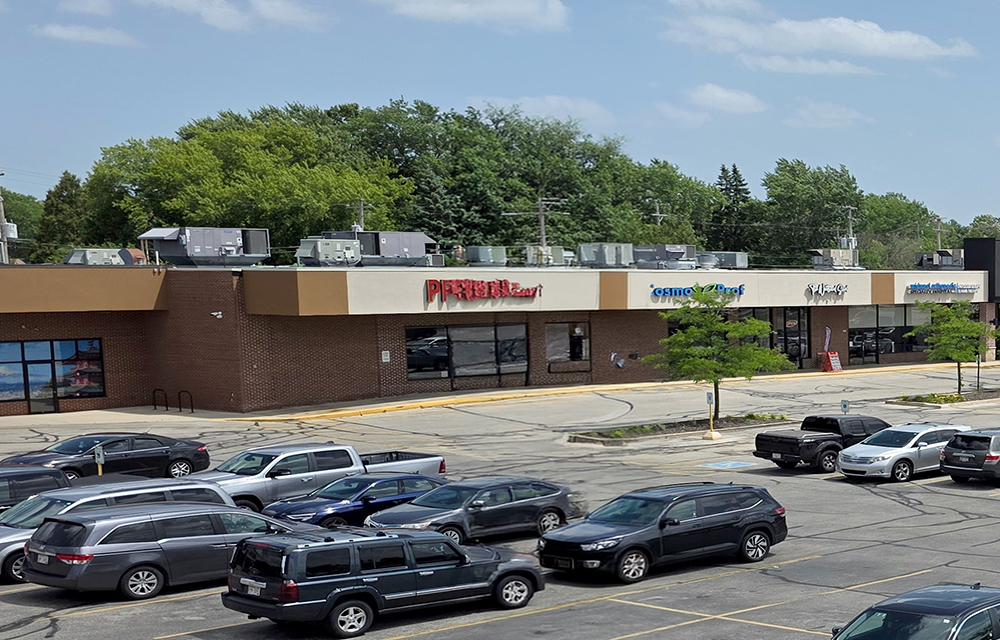
United Properties Corp. expands Wisconsin and Illinois retail presence adding 200,000 s/f
West Allis, WI United Properties Corp. completed two retail acquisitions totaling $27.4 million across Illinois and Wisconsin, adding 205,000 s/f of shopping center space to its portfolio




 (2).gif)

Columns and Thought Leadership

Hunt commercial real estate question and answer: Fortune 500 wisdom - by David Hunt
Yes, there are lessons to be learned from the largest companies in America when comes to managing your real estate. But the decision to buy or lease real estate may not be one of

New York’s streets are full again, and the retail numbers prove it - by Noam Aziz
Walk down any New York block this year and you can feel it. The sidewalks are crowded, the storefronts are lit, and the energy that defines this city is back at full volume.

A guide to finding the right NYC property management company - by Sanjay Gandhi
Being a small to midsize landlord in NYC is an increasingly demanding endeavor. From navigating complex regulations, increased compliance demands to dealing with tenant issues and remediating violations. It is wise to enlist the assistance of a partner, a professional

Positive forecast for New York’s pro-housing push? - by Philip Butler
New York’s housing crisis remains a hot button topic despite growing consensus that varied and affordable housing is desperately needed statewide. Governor Hochul has recently introduced several initiatives to overcome N.Y.’s anti-housing
.gif)