



News:
Brokerage
Posted: March 10, 2014
Founders Message: Learn from the Best
If I wanted to learn how to hit a baseball I would call either Derek Jeter or David Ortiz. If I wanted to win money at the racetrack I would call D. Wayne Lucas (trainer). Invest in real estate? Donald Trump, of course. And invest in the stock market I would obviously call Warren Buffett.
But wait a minute. That's four phone calls. Jeter and Ortiz are too busy at Spring Training. Trump is too busy doing his TV show. And Lucas is grooming a few of his horses for the Kentucky Derby. That leaves Warren, who coincidentally in 1986 did invest in real estate by purchasing a 400 acre farm in Omaha from the FDIC who had taken it over from a failed bank and then had no idea how to run it. For what Buffett paid he figured if his son just ran it correctly, the investment would inflate 10%. He also assumed that crop prices would slowly rise over time as people would always have to eat. Both of his assumptions were correct, and now 28 years later the farm has tripled its earnings and is worth 5 times what he paid for it. So in 1993, as the nation was just coming out of a bad recession and banks were frantically trying to get rid of foreclosed properties that they had no idea how to run, he heard about a New York retail property adjacent to NY University that he assumed would always be filled with students. Very much like the farm, the underleveraged current yield from the property was about 10%. Buffett bought it with a few partners, one an experienced real estate manager. In the next 10 years the property tripled in value and he had again hit a real estate home run.
Here's what he advised in his annual letter recently sent to his loyal fans:
1. You do not have to be an expert to achieve satisfactory investment returns. But if you aren't an expert you must recognize your limitations and follow a course certain to work reasonably well. Keep things simple and don't swing for the fences. When promised QUICK profits, respond with a quick NO.
2. Focus on the future productivity of the asset you are considering. If you don't feel comfortable making a rough estimate of the future earnings, just forget about it and move on.
3. If you focus on the prospective price change of a planned purchase, you are speculating. I am skeptical of those who claim to successfully speculate. Half of all coin flippers will win their first toss, but none of those have a expectation of profit if they continue to play that game. The fact that any given asset has appreciated in the recent past is never a reason to buy.
Buffett admits that the main reason he sticks to stocks over real estate is that he is more comfortable being able to see the value of an investment on a daily, hour to hour, minute to minute basis. On the other hand, I have a feeling that if he went to the horse races he would not bet on every race as most attendees do, and would be able to pick his share of winners. And I am also convinced if he was to become a baseball manager, watch out John Farrell and Joe Girardi, Warren may be able to manage over his iPhone by following his three important investment rules. Well I'm glad we can save money by only making one call rather than four. I wonder if we had made the four who would have accepted the call. Your guess is as good as mine. Oops. If we follow Warren, if we have to guess we better forget about it.
Roland Hopkins is founder of the NYREJ, Norwell, Mass.
Tags:
Brokerage
MORE FROM Brokerage
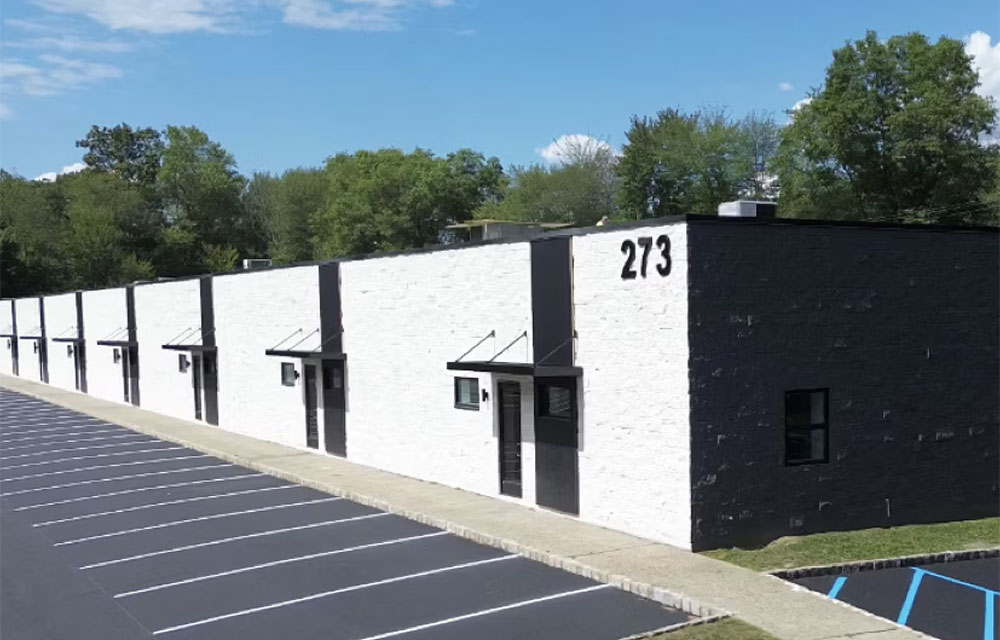
Resource Realty of Northern NJ delivers complete lease-up of 235 Franklin Rd. for Commerce Park Investors
Randolph, NJ Resource Realty of Northern New Jersey (RRNNJ) has completed the lease-up of a 10-unit small-bay industrial property at 273 Franklin Rd., marking the culmination of an investment strategy that began




Quick Hits
 (2).gif)

Columns and Thought Leadership

A guide to finding the right NYC property management company - by Sanjay Gandhi
Being a small to midsize landlord in NYC is an increasingly demanding endeavor. From navigating complex regulations, increased compliance demands to dealing with tenant issues and remediating violations. It is wise to enlist the assistance of a partner, a professional

New York’s streets are full again, and the retail numbers prove it - by Noam Aziz
Walk down any New York block this year and you can feel it. The sidewalks are crowded, the storefronts are lit, and the energy that defines this city is back at full volume.

Positive forecast for New York’s pro-housing push? - by Philip Butler
New York’s housing crisis remains a hot button topic despite growing consensus that varied and affordable housing is desperately needed statewide. Governor Hochul has recently introduced several initiatives to overcome N.Y.’s anti-housing

Hunt commercial real estate question and answer: Fortune 500 wisdom - by David Hunt
Yes, there are lessons to be learned from the largest companies in America when comes to managing your real estate. But the decision to buy or lease real estate may not be one of
.gif)