



News:
Brokerage
Posted: January 19, 2021
Fordham Real Estate Institute and The Business Council of Westchester host panel discussion on navigating the new normal in the wake of COVID-19
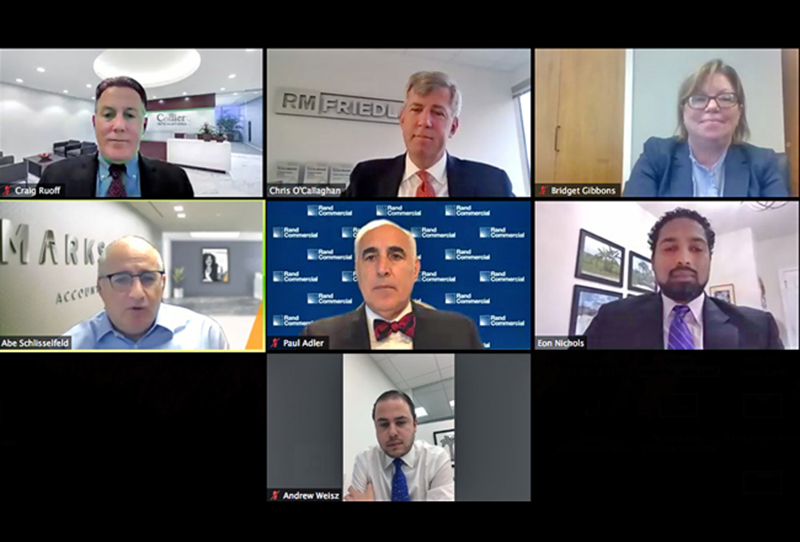
Westchester County, NY On Tuesday, January 5th, The Fordham Real Estate Institute and The Business Council of Westchester (BCW) brought together some of the county’s leading real estate professionals and local officials to discuss the changing commercial landscape in the wake of the COVID-19 health crisis and the outlook for the future. “The State of Real Estate: The Path Forward in a Post Pandemic World,” took place via Zoom and garnered the attention of nearly 500 participants.
The panel discussion was moderated by Chris O’Callaghan, managing director, RM Friedland. Additional speakers included Paul Adler, Esq., chief strategy officer, Rand Commercial; Bridget Gibbons, director of economic development, Westchester County; Eon Nichols, partner and vice-chair of the Real Estate, Corporate, Finance and Non-Profit Groups, Cuddy & Feder LLP; Craig Ruoff, executive managing director – Westchester Brokerages, Colliers International; Abe Schlisselfeld, CPA, EA, managing partner, Marks Paneth LLP; and Andrew Weisz, executive vice president, RPW Group.
The overarching theme of the event was optimism for the market as consumer and business confidence rises with the availability of the COVID-19 vaccine.
“What we’re seeing is opportunities, especially if you’ve spent the last few months holding on to your cash and looking at deals,” said Nichols. “Once the pandemic is over, hopefully soon, or at least curtailed, I think you are going to see a lot of investment, especially in the housing and retail area.”
Schlisselfeld said, “The single-family market is going through the roof; people are buying properties sight-unseen. There are a lot of family offices that weren’t as high leverage in the past, but they are doing okay right now. If you have an office building, tenants are doing okay paying their rents. If you manage to get your way through this, there are great buying opportunities.”
The Westchester County market, in particular, is poised for a strong year thanks to the diversity of its industries and the residential boom that has occurred as New York City residents have moved north due to the pandemic. The goal, speakers agreed, was making it easier for businesses to relocate or reconfigure their space needs in 2021.
“Westchester is the microcosm for the region – it has everything that the entire region has,” said Adler. “Commercial always follows residential, and Westchester has experienced the best year it has ever had in terms of residential home sales. We have to take a look at how we can make ‘build here, build now’ happen, how to make shovel-ready development happen.”
According to Gibbons, the Office of Economic Development has identified several industry sectors that will be major areas of focus in 2021. “We have the largest employment in the biosciences sector in the state,” she said. “Advanced manufacturing is an industry that is really poised for growth and our fintech businesses are beginning to grow. We have a highly educated work force and a great standard of living, and we’ll be rolling out programs this year to support companies in these sectors that want to relocate or establish businesses here.”
When discussing the future of the office, the sector arguably most impacted in 2020, Ruoff touched upon trends in office configuration shifting even before the start of the pandemic and how landlords can support and attract tenants. “The office of yesteryear with very high density was starting to be frowned upon even before COVID,” Ruoff said. “In the beginning of the crisis, we were working with tenants to set up an office to allow for social distancing. Now I’m hearing from companies that are planning long-term: more square feet per person; figuring out spacing needs knowing that a portion of their employees will work remotely full-time or part-time. It’s just a matter of determining how to reconfigure things so everyone is comfortable.”
Weisz is confident that while the office as we know it will change, ultimately people are wanting to get back to working with their colleagues in person. “What we’re seeing here in Westchester County and in New York City is a flight to quality,” said Weisz. “Tenants are looking for landlords that have staying power, not just a landlord that has the ability to invest in updates to combat COVID. They are looking at the office as an amenity more than ever, because they need to attract their employees to come back to the office in some way – with aesthetics, company culture, etc. Long-term the office will be here, but in a more flexible manner.”
The Presenting Sponsor for “The State of Real Estate: The Path Forward in a Post Pandemic World” was Wells Fargo. Contributing sponsors included LeChase Construction, Rand Commercial, RM Friedland and Simone Development Cos.
Tags:
Brokerage
MORE FROM Brokerage
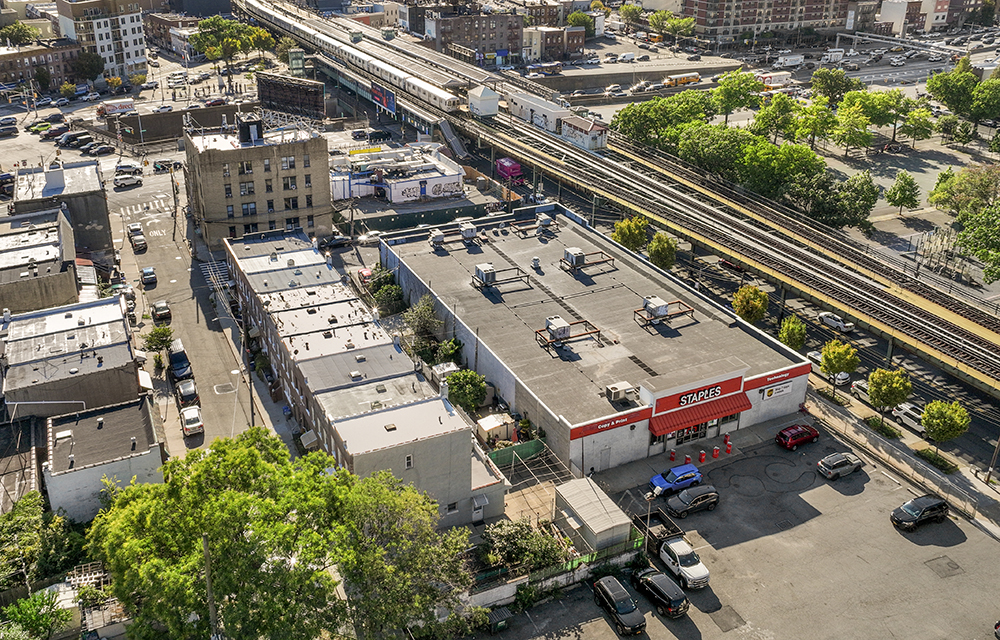
Investment Property Realty Group represents The Vaja Group in $26.4 million acquisition of fully entitled Astoria development site
Queens, NY Investment Property Realty Group (IPRG) arranged The Vaja Group’s $26.39 million acquisition of 24-41 31st St., a fully entitled development site in Astoria. The 29,638 s/f site traded for $176 per buildable s/f.





Quick Hits
 (2).gif)

Columns and Thought Leadership

Positive forecast for New York’s pro-housing push? - by Philip Butler
New York’s housing crisis remains a hot button topic despite growing consensus that varied and affordable housing is desperately needed statewide. Governor Hochul has recently introduced several initiatives to overcome N.Y.’s anti-housing

New York’s streets are full again, and the retail numbers prove it - by Noam Aziz
Walk down any New York block this year and you can feel it. The sidewalks are crowded, the storefronts are lit, and the energy that defines this city is back at full volume.

A guide to finding the right NYC property management company - by Sanjay Gandhi
Being a small to midsize landlord in NYC is an increasingly demanding endeavor. From navigating complex regulations, increased compliance demands to dealing with tenant issues and remediating violations. It is wise to enlist the assistance of a partner, a professional

Hunt commercial real estate question and answer: Fortune 500 wisdom - by David Hunt
Yes, there are lessons to be learned from the largest companies in America when comes to managing your real estate. But the decision to buy or lease real estate may not be one of
.gif)
September Promotion
