



News:
Brokerage
Posted: April 8, 2013
Flight to value leads the market
A fundamental shift is occurring in Manhattan's commercial real estate market and has grown from a whisper to a shout. It has been noted that class A space has been lagging for the past few months. 62% of the available supply is class A. By comparison, in each of the previous two recovery cycles of 2000 and 2007, class A was more competitive, in higher demand, and represented 37% availability.
Meanwhile, current class B space accounts for 32% of the prevailing supply. Referring to the other two referenced cycles, class B availability was higher with a significant 10% increase and accounted for 42% in 2000; it was more excessive in 2007 with 46%. Tenants were understandably swarming in droves to class A space at a time when the recovery was led by established, seasoned financial services firms looking to lock down their sought-after, coveted midtown offices. However, there is an interesting change taking place in the requirements for modern space, with the charge led by the professional and business services sector, including technology firm behemoths. As the data and information-based industries grow, many of these younger, fashionable firms are leasing class B space, with a focus on the midtown south sub-markets and a flight to value.
Assessing the increases in asking rents over time supports this as a legitimate trend. In 2007, class A midtown was forcefully driving recovery with asking rental rates up 81% from the unfortunate market circumstances of 2003. In today's recovery, there is no question as to what is driving the demand: class B midtown south. With asking rents up 46% since 2010, it remains evident. One final note, this is twice the amount of midtown class A's rental increases during this same time period of only 23%.
Richard Persichetti is vice president, research, marketing, and consulting of Cassidy Turley, New York, N.Y.
Tags:
Brokerage
MORE FROM Brokerage
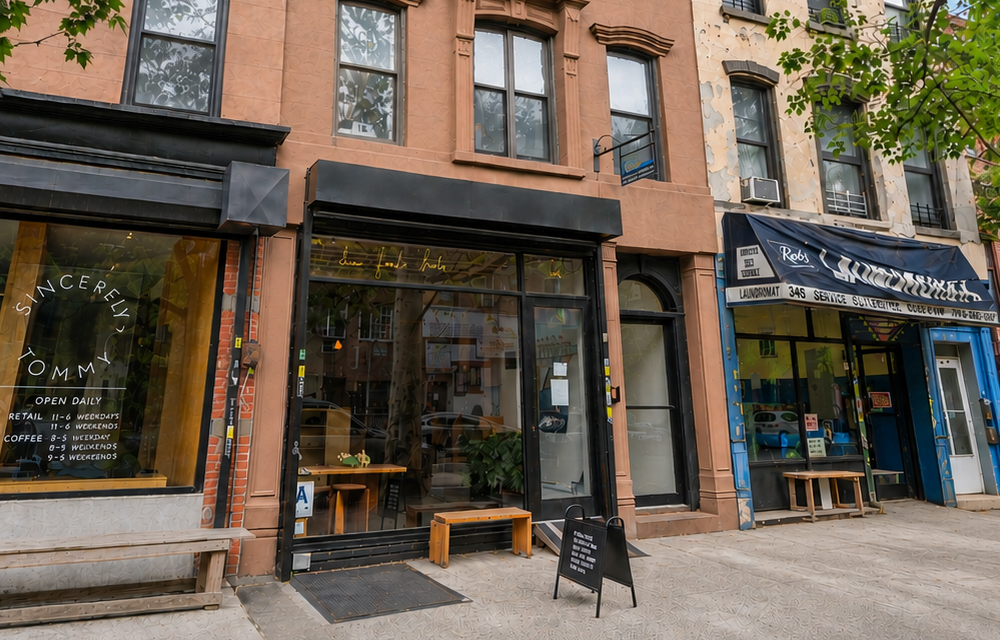
Bestreich, Reynolds, Davila, and Flaherty of Investment Property Realty Group close $1.97 million sale of 343A Tompkins Ave. in Bed-Stuy
Brooklyn, NY Investment Property Realty Group (IPRG) closed the sale of 343A Tompkins Ave., a mixed-use building located in the Bed-Stuy section of the borough, for $1.97 million.



Quick Hits

Columns and Thought Leadership

A guide to finding the right NYC property management company - by Sanjay Gandhi
Being a small to midsize landlord in NYC is an increasingly demanding endeavor. From navigating complex regulations, increased compliance demands to dealing with tenant issues and remediating violations. It is wise to enlist the assistance of a partner, a professional

New York’s streets are full again, and the retail numbers prove it - by Noam Aziz
Walk down any New York block this year and you can feel it. The sidewalks are crowded, the storefronts are lit, and the energy that defines this city is back at full volume.

Hunt CRE question and answer: Choosing a real estate agent - by David Hunt
First, we will only work with one agent exclusively. The primary reason is that we want that agent to legally represent our client’s interests. In New York State, a real estate agent has a fiduciary

Hunt commercial real estate question and answer: Fortune 500 wisdom - by David Hunt
Yes, there are lessons to be learned from the largest companies in America when comes to managing your real estate. But the decision to buy or lease real estate may not be one of
.gif)