



News:
Brokerage
Posted: July 29, 2025
Fisher Bros. secures three leases at 299 Park Ave.
Manhattan, NY Fisher Brothers has leased 35,000 s/f of pre-built office space at 299 Park Ave.
One William Street Capital Management LP expanded its 30,000 s/f lease by another 15,000 s/f; P10 Intermediate Holdings, LLC expanded its space with another 9,000 s/f; and Tailwind Management LP signed a new lease for 14,000 s/f.
Marc Packman and Clark Briffel led negotiations for Fisher Bros., which was also represented by David Falk, Peter Shimkin, Andy Sachs and Eric Cagner of Newmark. One William Street Capital was represented by Scott Gottlieb, Andrew Sussman, Ben Friedman and Lewis Gottlieb of CBRE. P10 Intermediate was represented by Silvio Petriello of CBRE. Tailwind Mgmt. was represented by Greg Taubin of Savills.
“Investing in the tenant experience is a core principle at Fisher Brothers,” said Winston Fisher, partner at Fisher Brothers.
Fisher said “We have leased three of five pre-builts at 299 Park Ave. before starting construction, indicating a significant appetite for turnkey, premium space. With our investments in capital improvements and infrastructure upgrades, we have experienced strong leasing momentum at 299 Park Ave., yet another signal that leading tenants are continuing to prioritize well-located, trophy-quality office space.”
299 Park Ave.’s pre-built office tenants on the 3rd and 4th floors will have exclusive access to building amenities such as a gym and custom-built lounge. With tailored offerings crafted specifically for pre-built tenants, 299 Park Ave. is set to become the only building in New York offering separate exclusive amenity spaces for pre-built workplaces.
Indicative of the firm’s commitment to providing a best-in-class office experience, Fisher Brothers invested $20 million in a large-scale capital improvement project at 299 Park Ave. in recent years that transformed the interior of the lobby space and exterior façade, and upgraded the building’s elevators. In partnership with the Rockwell Group, Fisher Brothers created a grand, bright and inviting interior with hotel-like design, quality and finishes. The renovation centers around a large-scale, dynamic digital art display. Created by LAB at Rockwell Group, the 60-ft.-long LED art installation, “Living Canvas,” brings an ever-evolving cinematic art experience to Park Ave. Earlier this year, Fisher Brothers completed a $500 million refinancing of 299 Park Ave. provided by Citi Group and JP Morgan.
Tags:
Brokerage
MORE FROM Brokerage
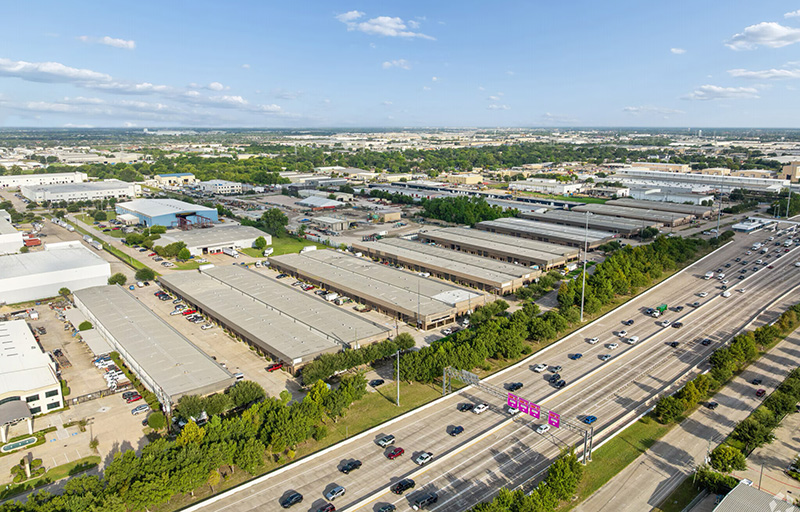
Simi Capital enters Texas with acquisition of 359,000 s/f small-bay industrial portfolio in Northwest Houston
Houston, TX Simi Capital acquired a three-property, 359,000 s/f small-bay industrial portfolio. The transaction, completed in a joint venture with Decker Capital, marks Simi


Quick Hits
 (2).gif)

Columns and Thought Leadership

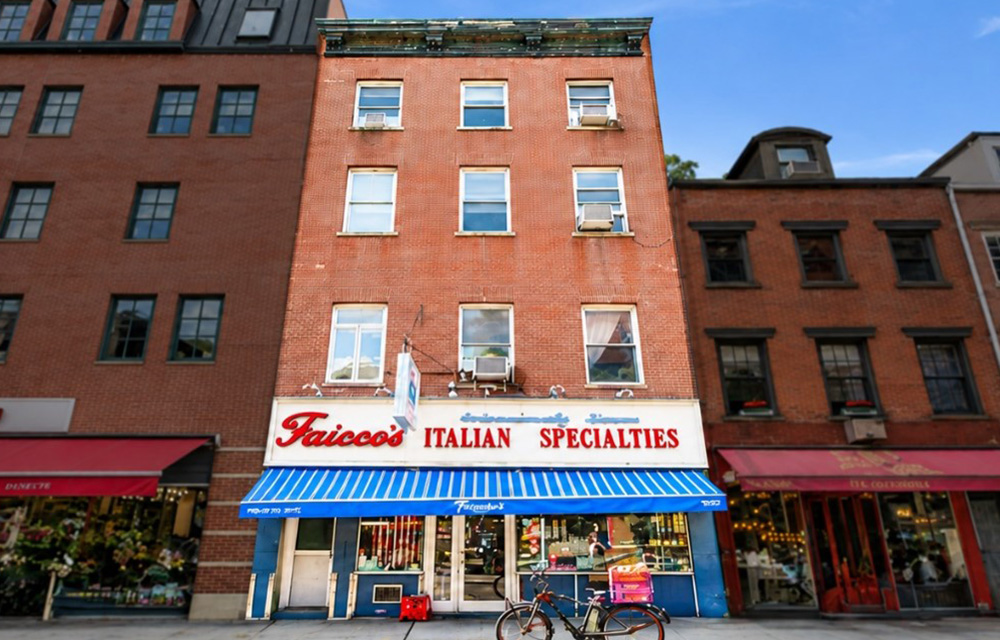
New York’s streets are full again, and the retail numbers prove it - by Noam Aziz
Walk down any New York block this year and you can feel it. The sidewalks are crowded, the storefronts are lit, and the energy that defines this city is back at full volume.

Hunt commercial real estate question and answer: Fortune 500 wisdom - by David Hunt
Yes, there are lessons to be learned from the largest companies in America when comes to managing your real estate. But the decision to buy or lease real estate may not be one of

A guide to finding the right NYC property management company - by Sanjay Gandhi
Being a small to midsize landlord in NYC is an increasingly demanding endeavor. From navigating complex regulations, increased compliance demands to dealing with tenant issues and remediating violations. It is wise to enlist the assistance of a partner, a professional

Hunt CRE question and answer: Choosing a real estate agent - by David Hunt
First, we will only work with one agent exclusively. The primary reason is that we want that agent to legally represent our client’s interests. In New York State, a real estate agent has a fiduciary
.gif)