



News:
Brokerage
Posted: July 8, 2025
Feil signs long-term lease renewal with BrandEd and Sotheby’s Institute of Art at 570 Lexington Ave.
Manhattan, NY The Feil Organization signed a 10-year lease renewal with Sotheby’s Institute of Art, which is based at 570 Lexington Ave. with 19,436 s/f space across the entire sixth floor. Sotheby’s Institute of Art is part of BrandEd, the leading provider of industry-immersive education.
Sotheby’s Institute of Art has been a tenant at 570 Lexington Ave. for the past 18 years and will invest in modernizing its administrative offices and classrooms on the sixth floor. The upgraded space will better accommodate the institution’s evolving needs, providing an environment for the next generation of art world and luxury business professionals. while preserving its artistic legacy in one of New York’s most iconic office buildings.
“We’re thrilled that Sotheby’s Institute of Art has chosen to remain at 570 Lexington for the long term,” said Andrew Wiener, head of commercial office leasing at The Feil Organization. “Their commitment to renewing and modernizing their space is a testament to the building’s premier location and the strength of our relationship with the tenant. We look forward to continuing to support their growth and success in the heart of Midtown Manhattan.”
“After eighteen successful years at 570 Lexington, we are excited to continue our work in such an iconic Manhattan office building,” said Brandon Busteed, CEO of BrandEd. “This location offers an ideal environment for fostering creativity, scholarship and professional development. We look forward to upgrading our space to further enrich the educational experience for our students and faculty as we continue to offer cutting-edge programs in the global art world.”
Built in 1932, 570 Lexington Avenue is a 450,622 s/f landmarked skyscraper, located in Midtown Manhattan with close proximity to public transportation and is a short walk from Grand Central Terminal. Along with offering Schnipper’s and an incoming HF Food Hall at the base of the building, 570 Lexington Avenue is surrounded by a world-class selection of corporate landmarks, restaurants, hotels and cultural destinations.
The Feil Organization was represented in-house by Tim Parlante, Kyle Young and Andrew Wiener. Brad Needleman and Matt Augarten from Newmark represented Sotheby’s Institute of Art.
Tags:
Brokerage
MORE FROM Brokerage
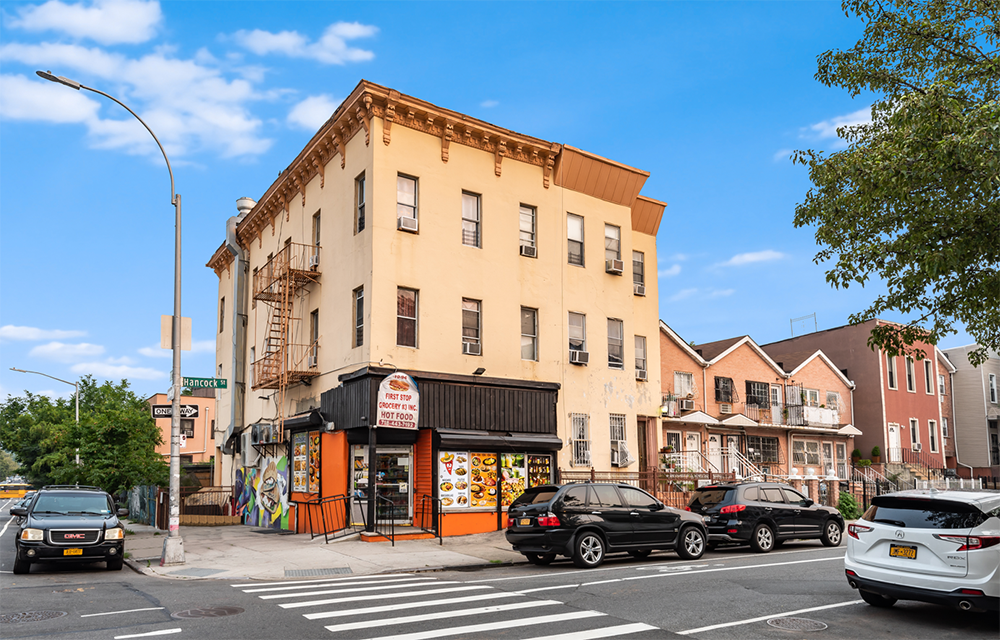
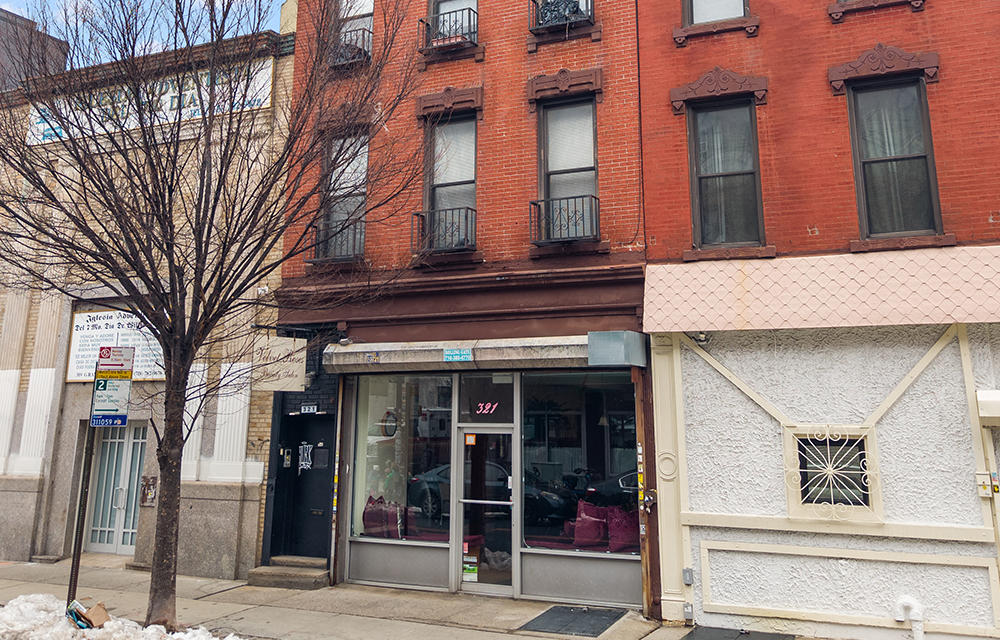
Investment Property Realty Group closes $1.75 million sale of 1094 Hancock Street in Brooklyn
Brooklyn, NY Investment Property Realty Group (IPRG), a New York-based commercial investment firm, has closed the sale of 1094 Hancock St., a mixed-use building in the Bushwick section, for $1.75 million.


Quick Hits
 (2).gif)

Columns and Thought Leadership

A guide to finding the right NYC property management company - by Sanjay Gandhi
Being a small to midsize landlord in NYC is an increasingly demanding endeavor. From navigating complex regulations, increased compliance demands to dealing with tenant issues and remediating violations. It is wise to enlist the assistance of a partner, a professional

Hunt commercial real estate question and answer: Fortune 500 wisdom - by David Hunt
Yes, there are lessons to be learned from the largest companies in America when comes to managing your real estate. But the decision to buy or lease real estate may not be one of

Hunt CRE question and answer: Choosing a real estate agent - by David Hunt
First, we will only work with one agent exclusively. The primary reason is that we want that agent to legally represent our client’s interests. In New York State, a real estate agent has a fiduciary

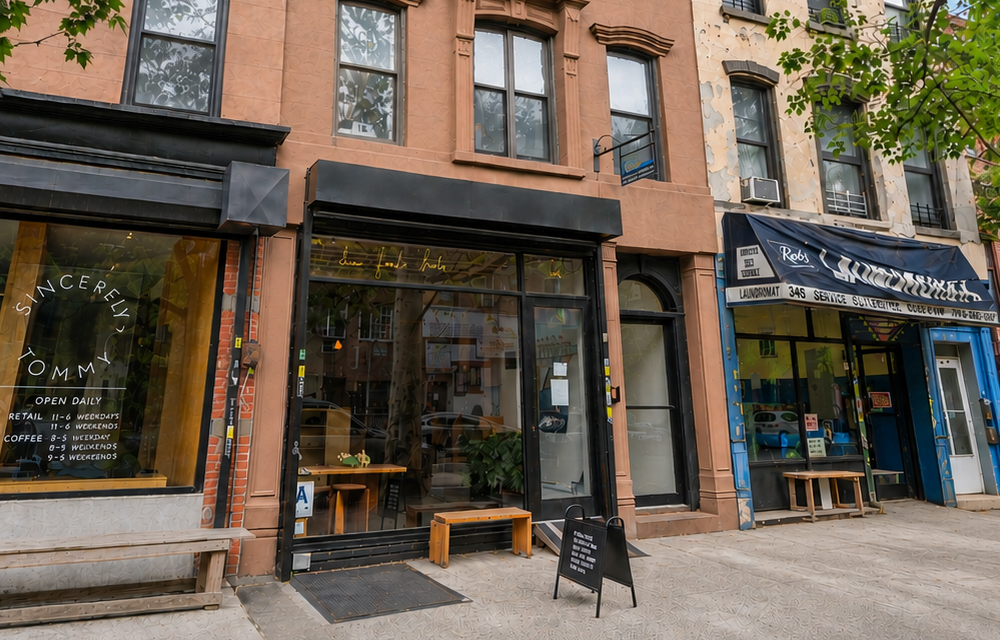
New York’s streets are full again, and the retail numbers prove it - by Noam Aziz
Walk down any New York block this year and you can feel it. The sidewalks are crowded, the storefronts are lit, and the energy that defines this city is back at full volume.
.gif)