



News:
Brokerage
Posted: April 26, 2022
Featured Columnist: The importance of maintaining property - by C. Jaye Berger

When buildings are having repair work done, they are very focused on completing the work as specified in the particular specifications and drawings. They have a contract and a team of people with deadlines to accomplish completion of the work. They have people observing the work and are focused on completion of those items on a certain timeline for a certain price.
The next issue after completion should be, “How will it be maintained once it is completed?” Unfortunately, most buildings have no special game plan for maintenance and wind up following the philosophy of “If it ain’t broke, don’t fix it.” They just leave it alone and wait to see if anything goes really wrong with it. They will deal with whatever that may be only when it happens and they absolutely need to. They have no regular program to check on and maintain the property. They wait until something happens and then they put a Band-Aid fix on since they do not have money put aside to fix such a big problem. They allow things to deteriorate until there are enough problems for a new capital project.
If something more major needs to be attended to, they will reach out to have a bank loan or have an assessment to finance it. That is the scariest way it can be handled. It allows bigger problems to be brewing unseen. Water can be flowing behind walls in numerous locations eating away and causing damage.
Local Law 11 inspections in New York City are a mandatory form of maintenance. Every five years buildings over six stories high must comply with the requirements and have the buildings inspected by professionals and repaired. However, even with that, there are instances where the work needs repairs which may not have been implemented because the building cannot immediately afford to undertake them. Sometimes the inspection process itself loosens bricks and masonry, which must be immediately repaired. So the inspection itself must be very carefully performed by experienced contractors. In the worst case scenario, you may read in a newspaper about someone being injured or even killed. In a good scenario, the loose lintel is discovered far enough in advance before anyone is injured and it can be repaired.
When I think about overall property maintenance, the top item on my list is the drainage of water. Many buildings have balconies with drains. They can easily become clogged and floods can occur. In one building, the terraces on the upper level were owned by the landlord for those apartments who didn’t have a maintenance contract with an outside company. Therefore, there was a disconnect between the apartments in the co-op building being maintained by building staff and the rental apartments not being maintained at all by that owner. One day this resulted in a big flood and property damage. It is not only due to lack of maintenance, but lack of coordination of the separate maintenance programs. It’s like the right hand wasn’t in touch with the left hand. Maintenance must be coordinated between the rental apartments and other apartments with no gaps. It is best to contact the maintenance company to verify that these issues are being handled.
C. Jaye Berger, Esq., is the founder of Law Offices C. Jaye Berger, New York, N.Y.
Tags:
Brokerage
MORE FROM Brokerage
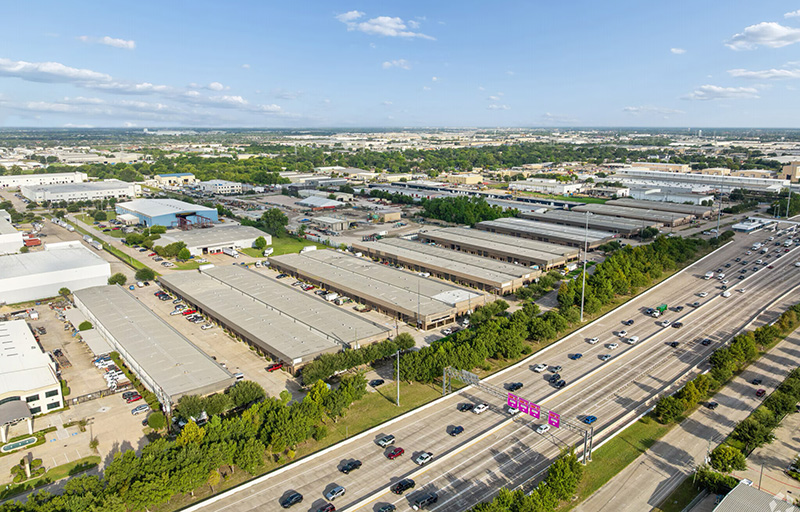
Simi Capital enters Texas with acquisition of 359,000 s/f small-bay industrial portfolio in Northwest Houston
Houston, TX Simi Capital acquired a three-property, 359,000 s/f small-bay industrial portfolio. The transaction, completed in a joint venture with Decker Capital, marks Simi


Quick Hits

Columns and Thought Leadership

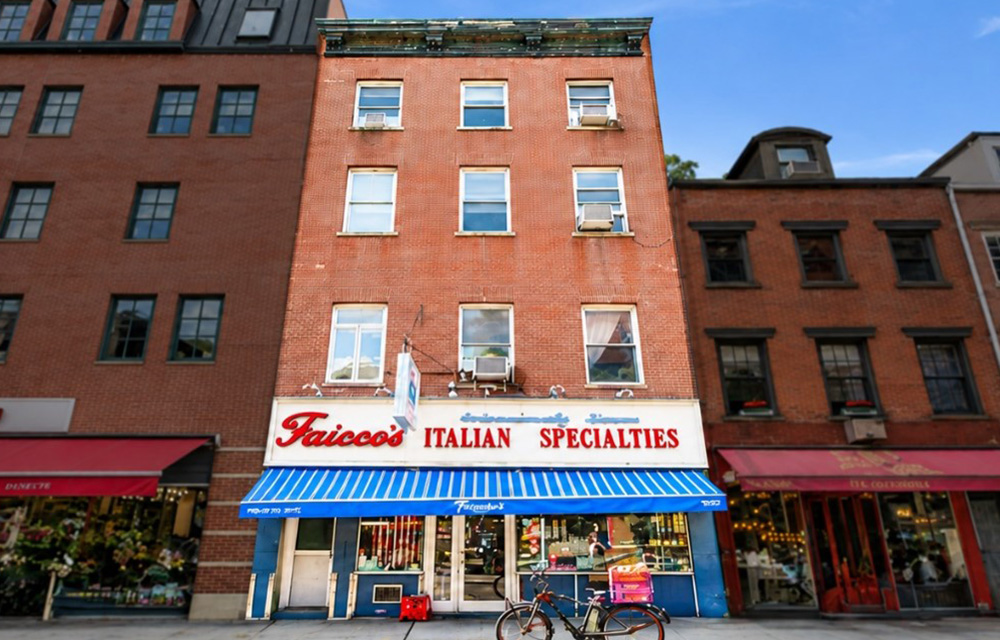
Hunt commercial real estate question and answer: Fortune 500 wisdom - by David Hunt
Yes, there are lessons to be learned from the largest companies in America when comes to managing your real estate. But the decision to buy or lease real estate may not be one of

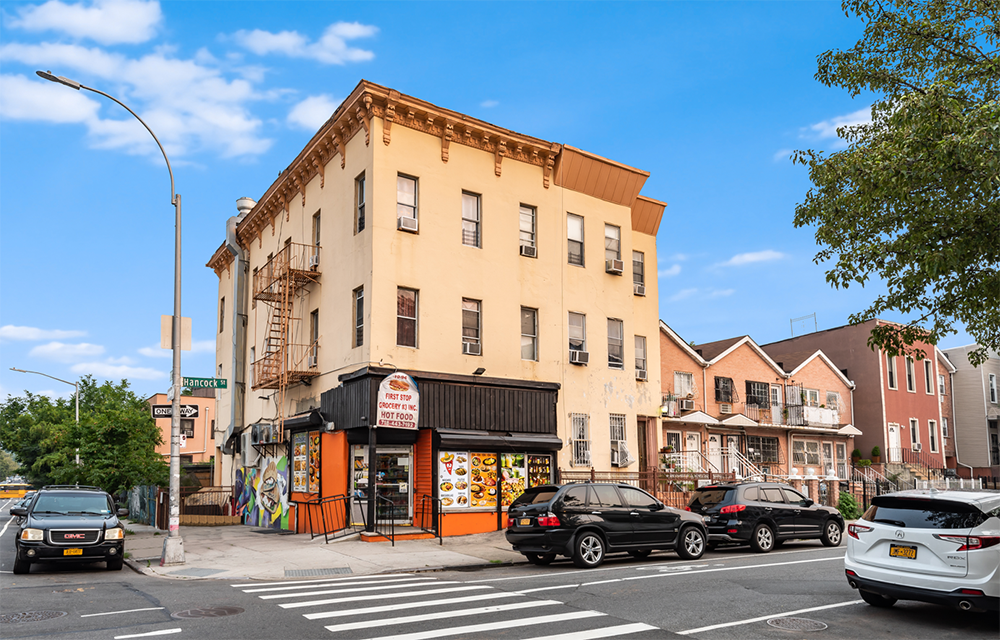
A guide to finding the right NYC property management company - by Sanjay Gandhi
Being a small to midsize landlord in NYC is an increasingly demanding endeavor. From navigating complex regulations, increased compliance demands to dealing with tenant issues and remediating violations. It is wise to enlist the assistance of a partner, a professional

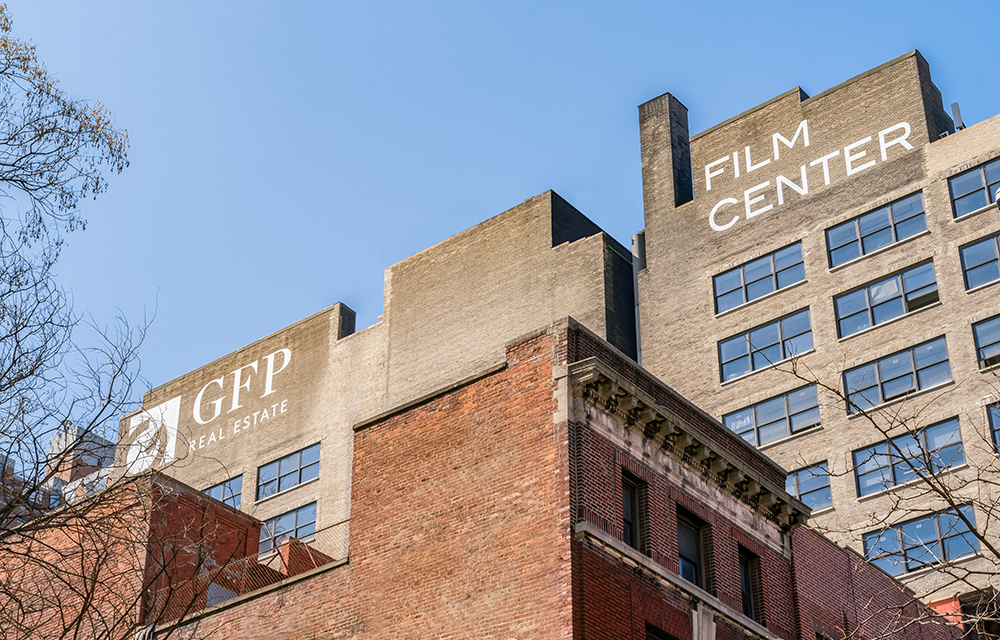
Hunt CRE question and answer: Choosing a real estate agent - by David Hunt
First, we will only work with one agent exclusively. The primary reason is that we want that agent to legally represent our client’s interests. In New York State, a real estate agent has a fiduciary

New York’s streets are full again, and the retail numbers prove it - by Noam Aziz
Walk down any New York block this year and you can feel it. The sidewalks are crowded, the storefronts are lit, and the energy that defines this city is back at full volume.
.gif)