



News:
Brokerage
Posted: December 20, 2016
Farrell and Moore of Savanna negotiate $66.2 million refinance of 434 Broadway
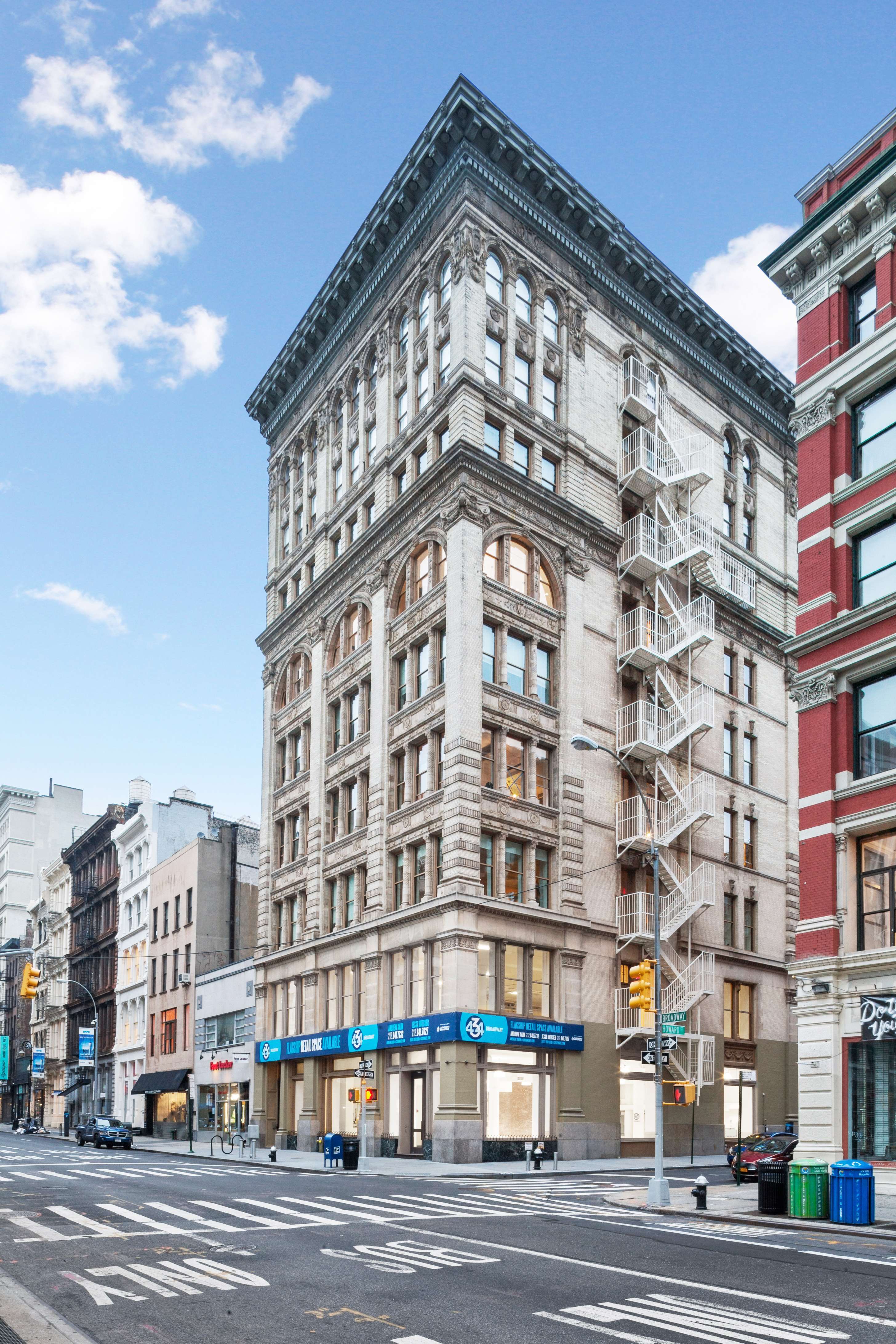 434 Broadway - Manhattan, NY
New York, NY Savanna, a New York City-based, vertically-integrated real estate investment manager, owner/operator and developer, has closed a $66.2 million refinancing for 434 Broadway, a nine-story, 65,700 s/f mixed-use property in SoHo. The new loan with Deutsche Bank’s Special Situations Group (SSG) replaces a prior acquisition loan from Mesa West Real Estate.
“We are pleased to work with Deutsche Bank on this transaction and to have this institutional acknowledgement of the investment we have made to enhance this historic building through capital improvements and formidable leasing success,” said Tom Farrell, managing director, Savanna.
Savanna purchased 434 Broadway (at Howard St.), which dates back to 1910, in 2013. Since then, Savanna has executed $7 million in base building and cosmetic capital work at the property. In addition, Savanna has leased 21,690 s/f of office space since acquiring the property. Major transactions include an expansion for media company Technicolor, and welcoming new tenants such as venture capital firm General Catalyst and digital agency UENO. Currently, Savanna is constructing pre-builts on its two remaining floors, and marketing its 5,650 s/f ground-floor retail space.
The loan was handled by Farrell and Ian Moore, senior analyst, at Savanna.
Savanna, formed in 1992, is a vertically-integrated real estate investment manager and institutional fiduciary based in New York City and focused on strategic property investments throughout the city’s five boroughs. The firm, led by managing partners Christopher Schlank and Nicholas Bienstock, pursues real estate equity and debt asset investments, including ground-up development and major repositioning projects. Savanna’s equity investments target superior risk-adjusted returns by adding value through asset management and/or property development, redevelopment, and repositioning, deploying a team of 35 experienced investment, asset management, construction, and leasing professionals. Savanna selectively invests in real estate debt instruments that have the potential to generate equity-like returns, including preferred equity instruments, high yield bridge and mezzanine loans, and B-notes. Since 2006, Savanna has invested over $3 billion in total capital across nearly 14 million s/f of real property.
Tags:
Brokerage
MORE FROM Brokerage
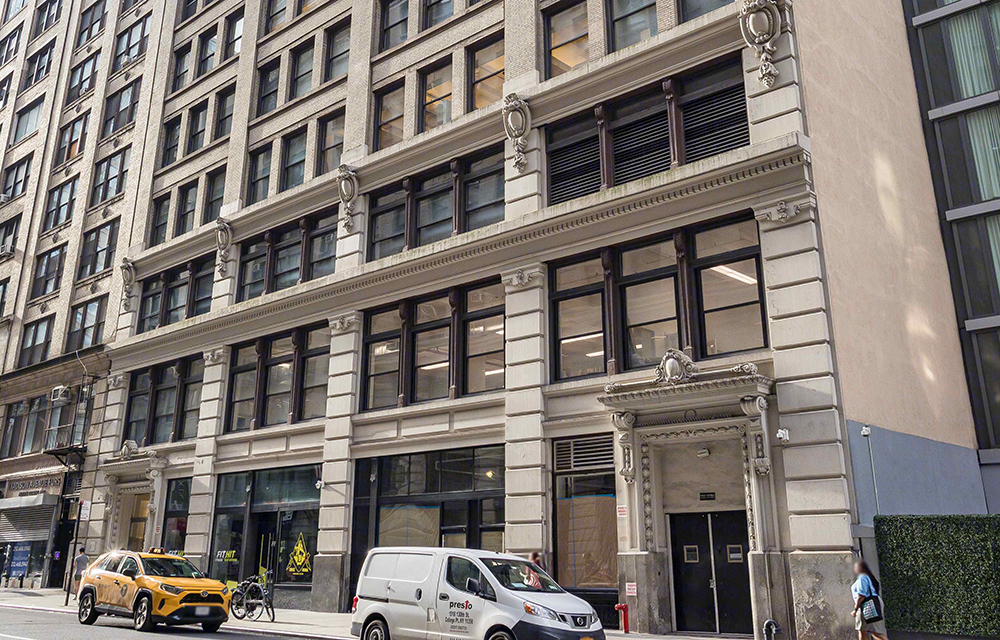
Koeppel Rosen inks 16-year 33,783 s/f lease for coworking firm Nomadworks at 122 West 27th St.
Manhattan, NY According to Koeppel Rosen LLC, leasing and management agent for the Rosen family portfolio, Nomadworks has signed a new 16-year, two-month lease totaling 33,783 s/f at 122 West



Quick Hits

Columns and Thought Leadership

The art of investing in real estate - by Thomas Donovan
Real estate investing is as much an art as it is a skill. No one can time the market, or the factors that drive it, perfectly. Location, zoning, size, transportation, and neighborhood density give you a baseline for

New York’s streets are full again, and the retail numbers prove it - by Noam Aziz
Walk down any New York block this year and you can feel it. The sidewalks are crowded, the storefronts are lit, and the energy that defines this city is back at full volume.

Hunt commercial real estate question and answer: Fortune 500 wisdom - by David Hunt
Yes, there are lessons to be learned from the largest companies in America when comes to managing your real estate. But the decision to buy or lease real estate may not be one of

Hunt CRE question and answer: Choosing a real estate agent - by David Hunt
First, we will only work with one agent exclusively. The primary reason is that we want that agent to legally represent our client’s interests. In New York State, a real estate agent has a fiduciary
.gif)