



News:
Brokerage
Posted: April 14, 2017
Falk, Shimkin, Cagner, Canete and Berger of NGKF lease 73,600 s/f
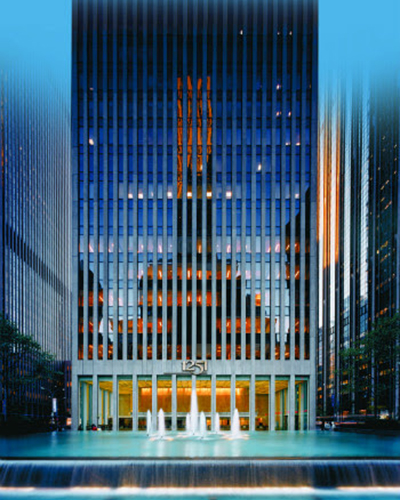
Manhattan, NY
Manhattan, NY Mitsui Fudosan America, Inc. (MFA) has signed two leases totaling 73,600 s/f at its flagship property at 1251 Avenue of the Americas. Berenberg Capital Markets LLC and McGuireWoods LLP are the newest tenants at the Sixth Ave. tower. David Falk, Peter Shimkin, Eric Cagner, Romel Canete, and Nick Berger of Newmark Grubb Knight Frank represented MFA on both leases.
“We are pleased to welcome Berenberg Capital Markets and McGuireWoods to 1251 Avenue of the Americas,” said Christopher Perez, SVP of MFA. “Both tenants exemplify the kind of leading companies that have enjoyed great success at 1251. We look forward to serving as their New York headquarters for many years to come.”
Berenberg Capital Markets LLC, a subsidiary of the second oldest bank in the world, the German bank Berenberg, which was founded in 1590, signed a 12-year lease on March 15th. Berenberg will occupy the entire 53rd floor, 31,700 rentable s/f. Mitchell Konsker, Alexander Chudnoff, and Benjamin Bass of Jones Lang LaSalle represented Berenberg.
“We are proud to call 1251 Avenue of the Americas our new home, from where we want to grow our business in the United States,” said David Mortlock, global head of equities at Berenberg.
McGuireWoods LLP, a leading global law firm, will occupy the entire 20th floor, which is 41,900 rentable s/f and part of the concourse level totaling 1,659 rentable s/f. The 15-year lease commenced on March 2nd. Chris Mongeluzo and Brian Cohen of Newmark Grubb Knight Frank represented McGuireWoods.
“McGuireWoods continues to successfully grow its New York City Office. At 1251 Avenue of the Americas, we look forward to creating an office space that will be indicative of the firm’s increasing New York profile and presence,” said Noreen Kelly, managing partner for McGuireWoods’ New York office.
1251 Avenue of the Americas is a premier property with a highly desirable midtown Avenue of the Americas location for a wide range of U.S. and international law firms, financial institutions and other leading companies. The 54-story, 2.4 million square-foot building is currently 98% leased.
In addition to its commercial office and residential development and acquisition activities in New York, MFA is also actively developing office and residential projects in Washington D.C., San Francisco, Los Angeles and Seattle.
Tags:
Brokerage
MORE FROM Brokerage
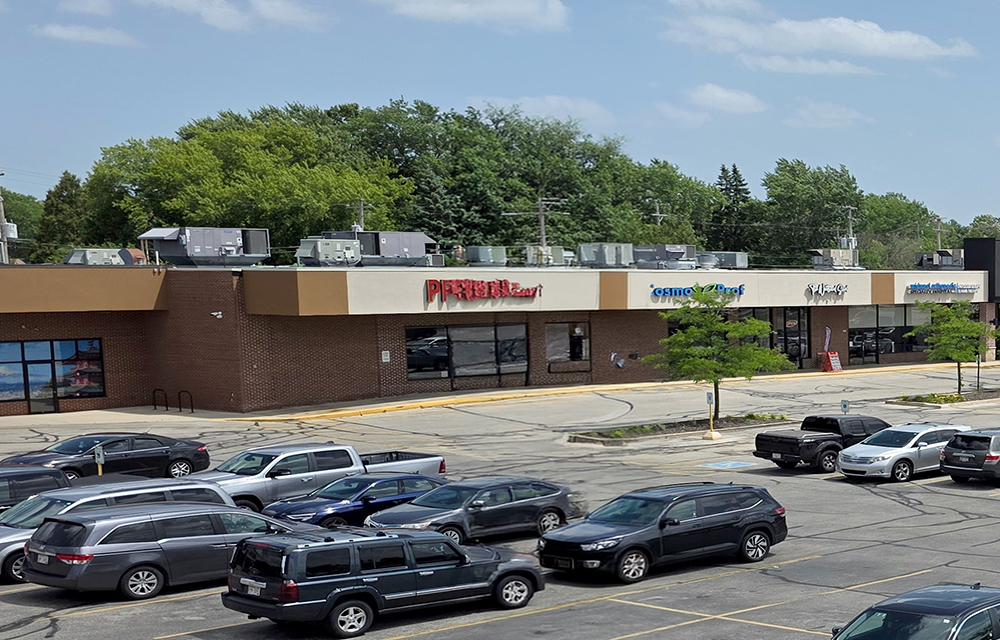
United Properties Corp. expands Wisconsin and Illinois retail presence adding 200,000 s/f
West Allis, WI United Properties Corp. completed two retail acquisitions totaling $27.4 million across Illinois and Wisconsin, adding 205,000 s/f of shopping center space to its portfolio


Quick Hits
 (2).gif)

Columns and Thought Leadership

A guide to finding the right NYC property management company - by Sanjay Gandhi
Being a small to midsize landlord in NYC is an increasingly demanding endeavor. From navigating complex regulations, increased compliance demands to dealing with tenant issues and remediating violations. It is wise to enlist the assistance of a partner, a professional

Hunt commercial real estate question and answer: Fortune 500 wisdom - by David Hunt
Yes, there are lessons to be learned from the largest companies in America when comes to managing your real estate. But the decision to buy or lease real estate may not be one of

Positive forecast for New York’s pro-housing push? - by Philip Butler
New York’s housing crisis remains a hot button topic despite growing consensus that varied and affordable housing is desperately needed statewide. Governor Hochul has recently introduced several initiatives to overcome N.Y.’s anti-housing

New York’s streets are full again, and the retail numbers prove it - by Noam Aziz
Walk down any New York block this year and you can feel it. The sidewalks are crowded, the storefronts are lit, and the energy that defines this city is back at full volume.
.gif)