



News:
Brokerage
Posted: September 13, 2022
Esti Broyde of Roey Realty is the consummate professional, always innovating for her clients
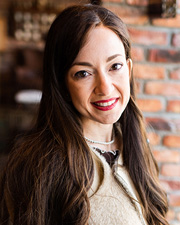
New York, NY The New York Real Estate Journal (NYREJ) sat down with Esti Broyde of the commercial real estate firm Roey Realty LLC for a question and answer session. Broyde is this month’s executive of the month.
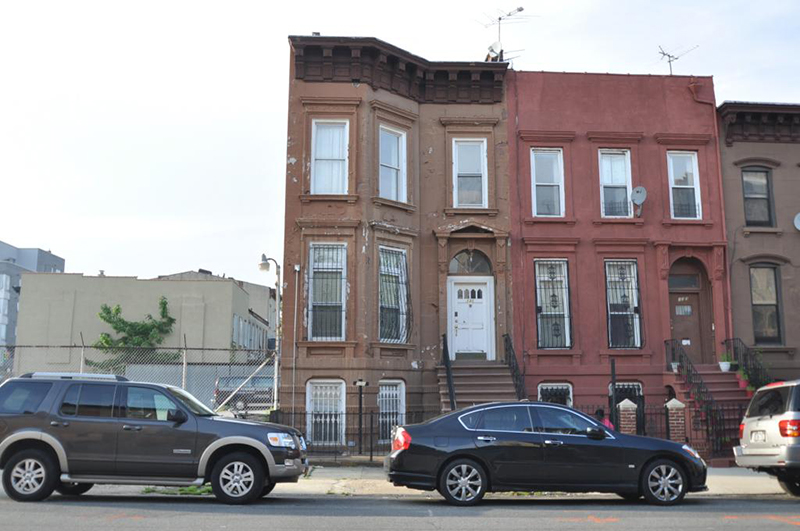
NYREJ: How many years have you been in real estate?
Broyde: 15 years.
NYREJ: What did you do before you got into commercial real estate?
Broyde: I worked in public accounting and was a professor at Brooklyn College teaching accounting and finance.
NYREJ: What made you go into teaching?
Broyde: I was looking to transition out of public accounting and an opportunity at Brooklyn College opened up. I’ve always been a people person and it seemed like a good segue given my background.
NYREJ: How did you start in commercial real estate?
Broyde: I started at a boutique brokerage, specializing in rentals. After a couple of years, I moved over to a larger commercial real estate firm that focused on investment sales of multifamily and mixed-use properties throughout New York City. I found this to be more challenging and rewarding as the properties were predominantly rent-stabilized with upside in rent for prospective buyers.
In 2014, I started my own brokerage. I had a client who offered me a few of his properties to sell. On the first deal, I identified a buyer and submitted an offer within 24 hours. The contract was executed 48 hours later and the deal closed 10 days after that.
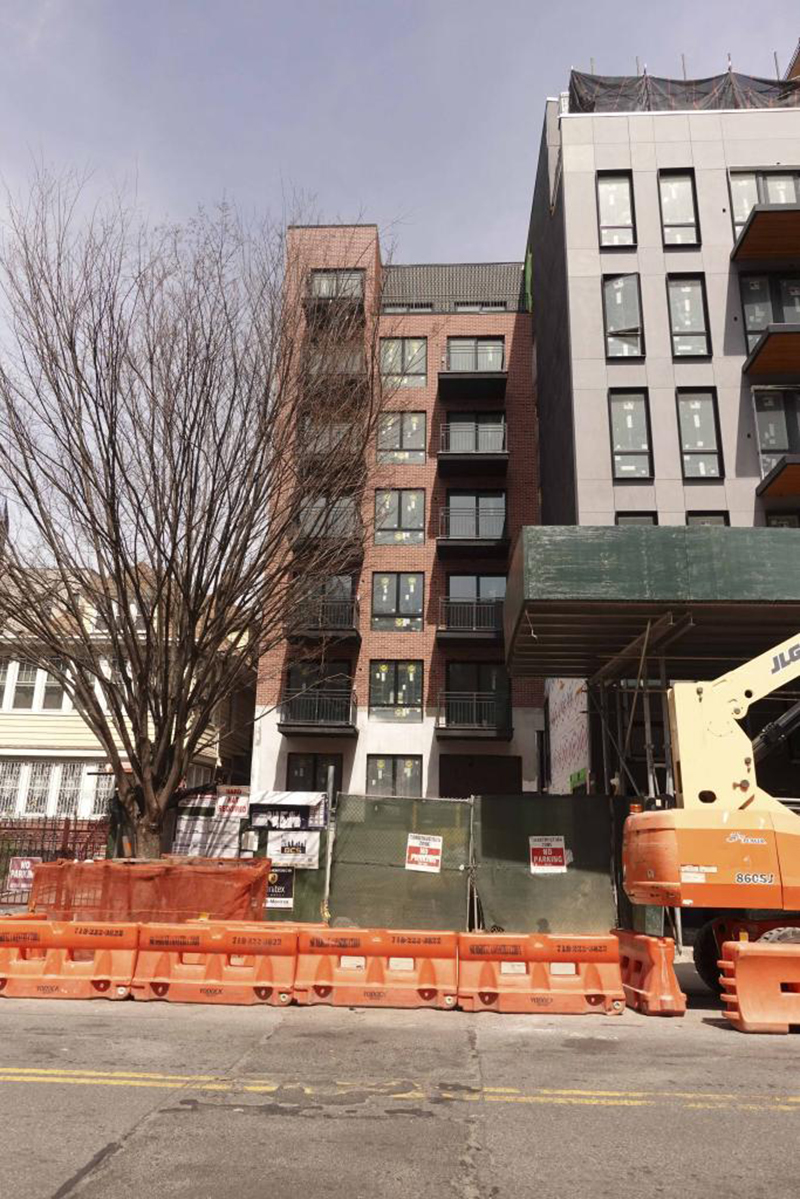
319 Lenox Road - Brooklyn, NY
NYREJ: What areas of commercial real estate do you focus on?
Broyde: In 2017, the market shifted and real estate prices began to rise. A client approached me to start a bridge lending business. I would source the deals and they would fund them. That transformed Roey Realty into an investment sales and bridge lending firm. Two years ago, I was approached by a client to help raise equity for a large construction deal. I raised the $3 million in one week and that began my venture into syndication.
NYREJ: You are an Orthodox Jew correct?
Broyde: Yes.
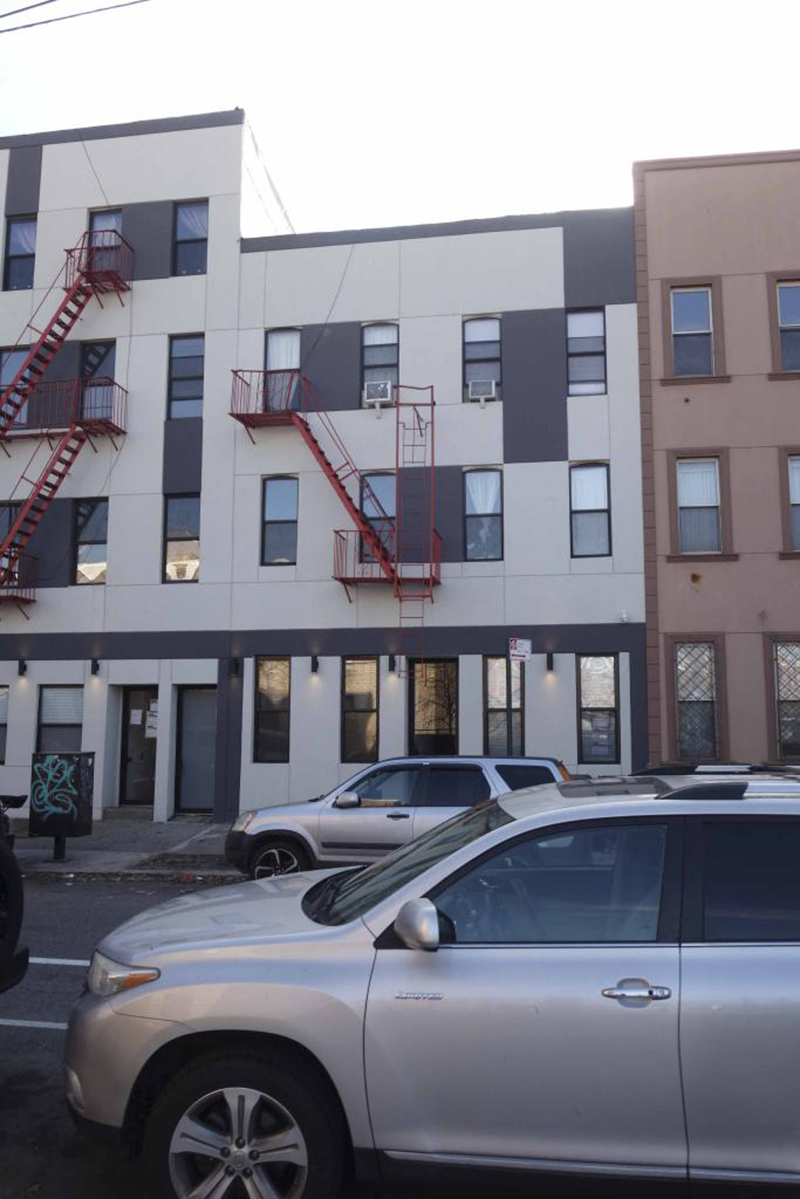
30-32 Scholes Street - Brooklyn, NY
NYREJ: What does that mean for you in commercial real estate?
Broyde: Commercial real estate, for the most part, is a male dominated industry. An Orthodox Jewish woman in commercial real estate is even less common. Many of my clients are Orthodox Jewish men. In fact, when I first started cold calling, many men from the Orthodox community thought I worked for my husband and that Roey Realty was his business. It also means that when I go to conferences, I’m the exception.
NYREJ: Are you or have you ever been apprehensive or nervous about entering a room full of men or Orthodox Jewish men in commercial real estate?
Broyde: In the beginning of my career I was definitely more apprehensive but it wasn’t because of the men in the room. It was more because I wasn’t as seasoned as I am today, I was much younger and less experienced in the industry. Now my only apprehension is that they won’t like my choice of Kosher restaurant.
NYREJ: How does your family come into play with your work?
Broyde: I am blessed to have a supportive husband and wonderful children. It’s definitely challenging working in an intense industry like real estate and juggling carpools.
NYREJ: What advice would you have for a woman or Jewish Orthodox woman in commercial real estate?
Broyde: I would say go for it and be resilient. The more you know and understand about your industry, the better you can prepare for shifting markets.
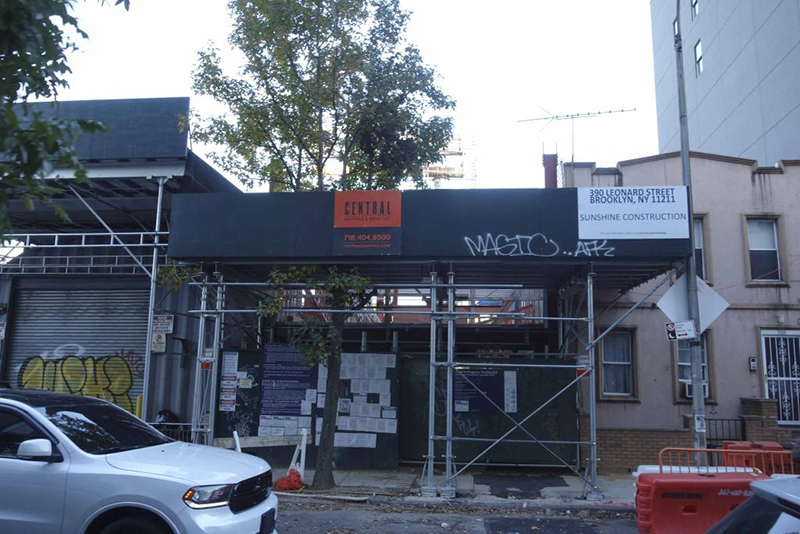
390 Leonard Street - Brooklyn, NY
NYREJ: What have you learned in your experience in commercial real estate?
Broyde: You need to be creative and constantly reinvent yourself. The more you know–and understand–about the industry, the better off you are in strategizing and reinventing yourself before the market shifts–or it will be easier for you to transition. The more you understand the industry, the better off you are to differentiate yourself and prepare for changing conditions in the market.
NYREJ: Are there any new platforms that you are working on?
Broyde: During COVID we began brokering bridge loans to several healthcare facilities. It was an opportunity that came my way and I welcomed it. We got comfortable in the healthcare space and brokered the sale and loan of two assisted living facilities and one skilled nursing facility.
NYREJ: What are your future plans?
Broyde: To grow Roey Realty.
NYREJ: Is there a final message that resonates with you about being a Jewish Orthodox woman in commercial real estate?
Broyde: Yes, don’t be afraid to ask questions. Another point is, the way you view yourself and your place in the industry is the way your colleagues and competitors will view you. Mold yourself into someone they want to work with.
Tags:
Brokerage
MORE FROM Brokerage
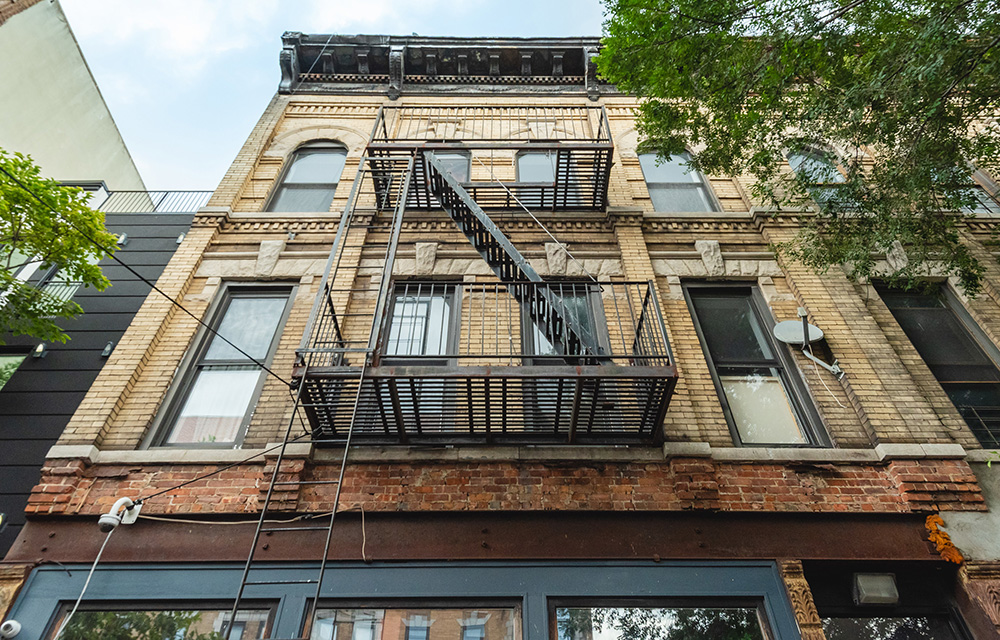
Marcus & Millichap brokers $2.8 million sale of free-market mixed-use property in Brooklyn
Brooklyn, NY Marcus & Millichap brokered the sale of 733 Dekalb Ave., a fully free-market multifamily and retail property in the Bed-Stuy neighborhood. The asset sold for $2.8 million.



Quick Hits
 (2).gif)

Columns and Thought Leadership

Hunt commercial real estate question and answer: Fortune 500 wisdom - by David Hunt
Yes, there are lessons to be learned from the largest companies in America when comes to managing your real estate. But the decision to buy or lease real estate may not be one of

Positive forecast for New York’s pro-housing push? - by Philip Butler
New York’s housing crisis remains a hot button topic despite growing consensus that varied and affordable housing is desperately needed statewide. Governor Hochul has recently introduced several initiatives to overcome N.Y.’s anti-housing

A guide to finding the right NYC property management company - by Sanjay Gandhi
Being a small to midsize landlord in NYC is an increasingly demanding endeavor. From navigating complex regulations, increased compliance demands to dealing with tenant issues and remediating violations. It is wise to enlist the assistance of a partner, a professional

New York’s streets are full again, and the retail numbers prove it - by Noam Aziz
Walk down any New York block this year and you can feel it. The sidewalks are crowded, the storefronts are lit, and the energy that defines this city is back at full volume.
.gif)
September Promotion
