



News:
Brokerage
Posted: April 29, 2025
Energy fines ballooning, but NYC insists on May 1 deadline for building owners, notes Cotocon’s Carchietta
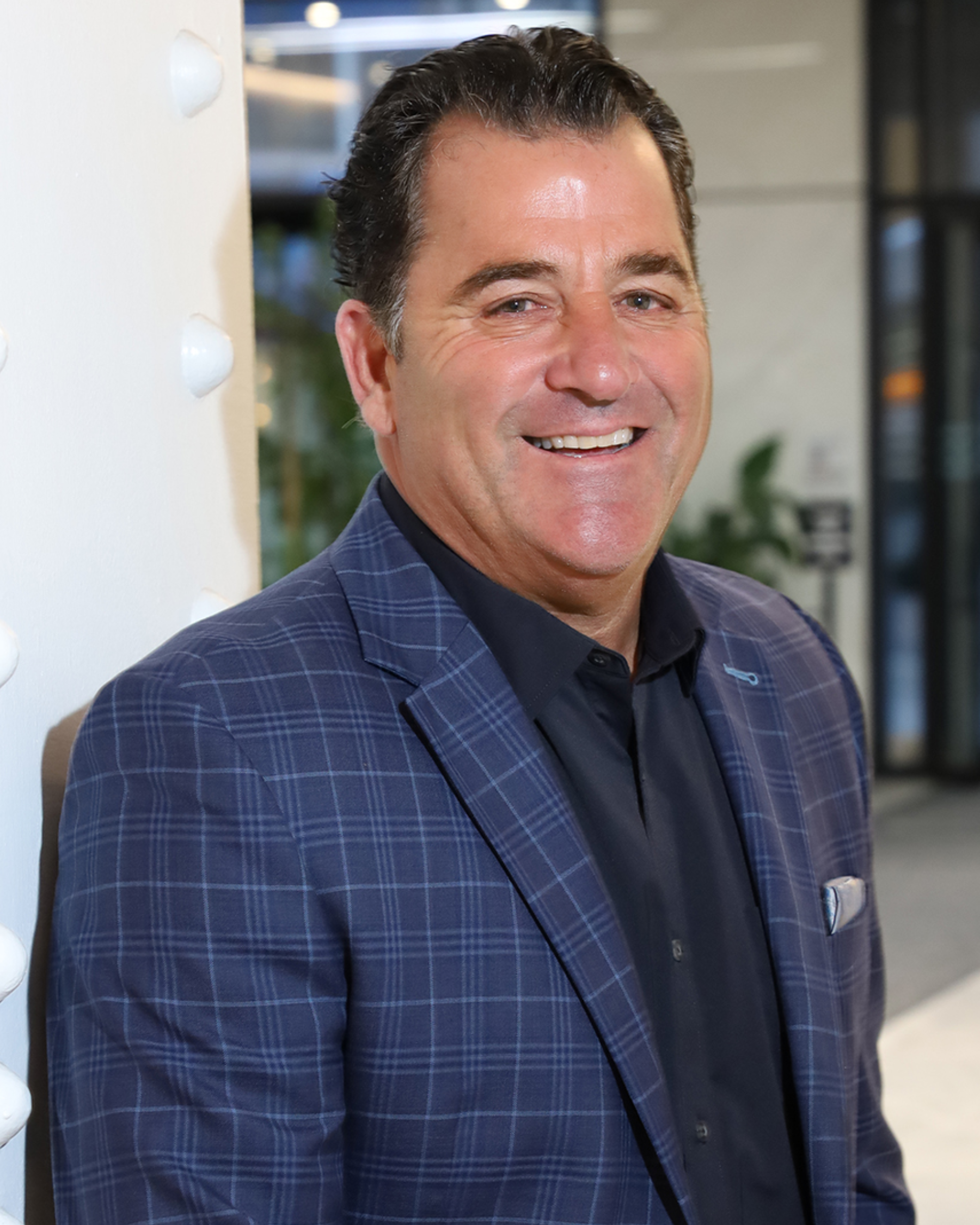
Manhattan, NY Starting May 1, New York City will issue fines under Local Laws 84, 97, and 133 to all commercial and apartment building owners – including coop corporations and condo associations – who are behind in their carbon emission reductions upgrades, warns Jimmy Carchietta, founder and CEO of Cotocon Group.
A grace period of 60 days will offer relief – but only for Local Law 97, which began enforcement in 2024, and aims to reduce greenhouse gas emissions by setting limits for buildings over 25,000 s/f. “Yet thousands of properties remain noncompliant — many without even knowing it,” said Carchietta.
Local Laws 84 and 133 require buildings over 25,000 s/f to annually benchmark their energy and water consumption.
Local Law 87, which comes due Dec. 31, mandates energy audits and retro-commissioning every ten years for buildings over 50,000 s/f.
Local Law 95, which comes due Oct. 1, requires buildings to display an energy efficiency grade based on their benchmarking results.
But owners will be able to stay compliant in real time by using The Carbon Shield, notes Carchietta, who is the creator of Carbon Shield.
Cotocon’s clients include WeWork, Douglas Elliman, CBRE, Marriott, Related, Cushman & Wakefield, JLL and SUNY.
“What’s more, as more cities adopt carbon reduction laws modelled after Local Law 97, Carbon Shield is preparing for nationwide deployment,” said Carchietta, adding that upcoming features include enhanced emissions forecasting, deeper benchmarking insights, and portfolio-level planning tools.
Drawing on Cotocon’s 15+ years of expertise to protect New York City’s built environment, and from tracking emissions and violations to managing required reporting, Carbon Shield provides owners with full energy oversight.
“Carbon Shield was created to close that gap. By integrating with ENERGY STAR Portfolio Manager, Con Edison, National Grid, DOB NOW, and BIS, the platform blends expert services with advanced technology that doesn’t just guide building owners — it acts on their behalf.”
With Carbon Shield, building owners and managers can:
- Prepare and file all relevant Local Law reports (Local Laws 84, 87, 97, 133 and 95)
- Monitor real-time carbon emissions and limits
- Track energy usage across multiple utility types
- Manage and resolve energy-related violations
- Benchmark building performance throughout the year
“Carbon Shield is more than a tracker,” Carchietta said. “It’s a complete regulatory and energy management solution. The platform not only flags risks and delivers actionable insights, it also ensures that no deadlines are missed by handling filings end-to-end. We’ve spent over 15 years helping thousands of buildings comply with NYC’s complex energy laws. Carbon Shield is the result of that experience — purpose-built to reduce emissions, prevent fines, and give building owners complete clarity all year long.” For more information contact Jimmy Carchietta at [email protected] or call (212) 889-6566.
Tags:
Brokerage
MORE FROM Brokerage

Cleeman Realty Group sells Fort Valley Shopping Center in Georgia
Fort Valley, GA Cleeman Realty Group sold Fort Valley Shopping Center, a 71,887 s/f grocery-anchored retail center located at 2275 US Hwy. 341. The shopping center is anchored by Food Depot and Roses Discount Stores,



Quick Hits

Columns and Thought Leadership

New York’s streets are full again, and the retail numbers prove it - by Noam Aziz
Walk down any New York block this year and you can feel it. The sidewalks are crowded, the storefronts are lit, and the energy that defines this city is back at full volume.

A guide to finding the right NYC property management company - by Sanjay Gandhi
Being a small to midsize landlord in NYC is an increasingly demanding endeavor. From navigating complex regulations, increased compliance demands to dealing with tenant issues and remediating violations. It is wise to enlist the assistance of a partner, a professional

Hunt commercial real estate question and answer: Fortune 500 wisdom - by David Hunt
Yes, there are lessons to be learned from the largest companies in America when comes to managing your real estate. But the decision to buy or lease real estate may not be one of

Hunt CRE question and answer: Choosing a real estate agent - by David Hunt
First, we will only work with one agent exclusively. The primary reason is that we want that agent to legally represent our client’s interests. In New York State, a real estate agent has a fiduciary
.gif)