



News:
Brokerage
Posted: January 28, 2025
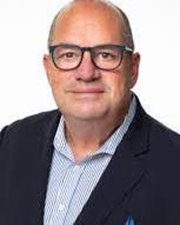
Khan joins PACE Loan Group as vice president – capital markets
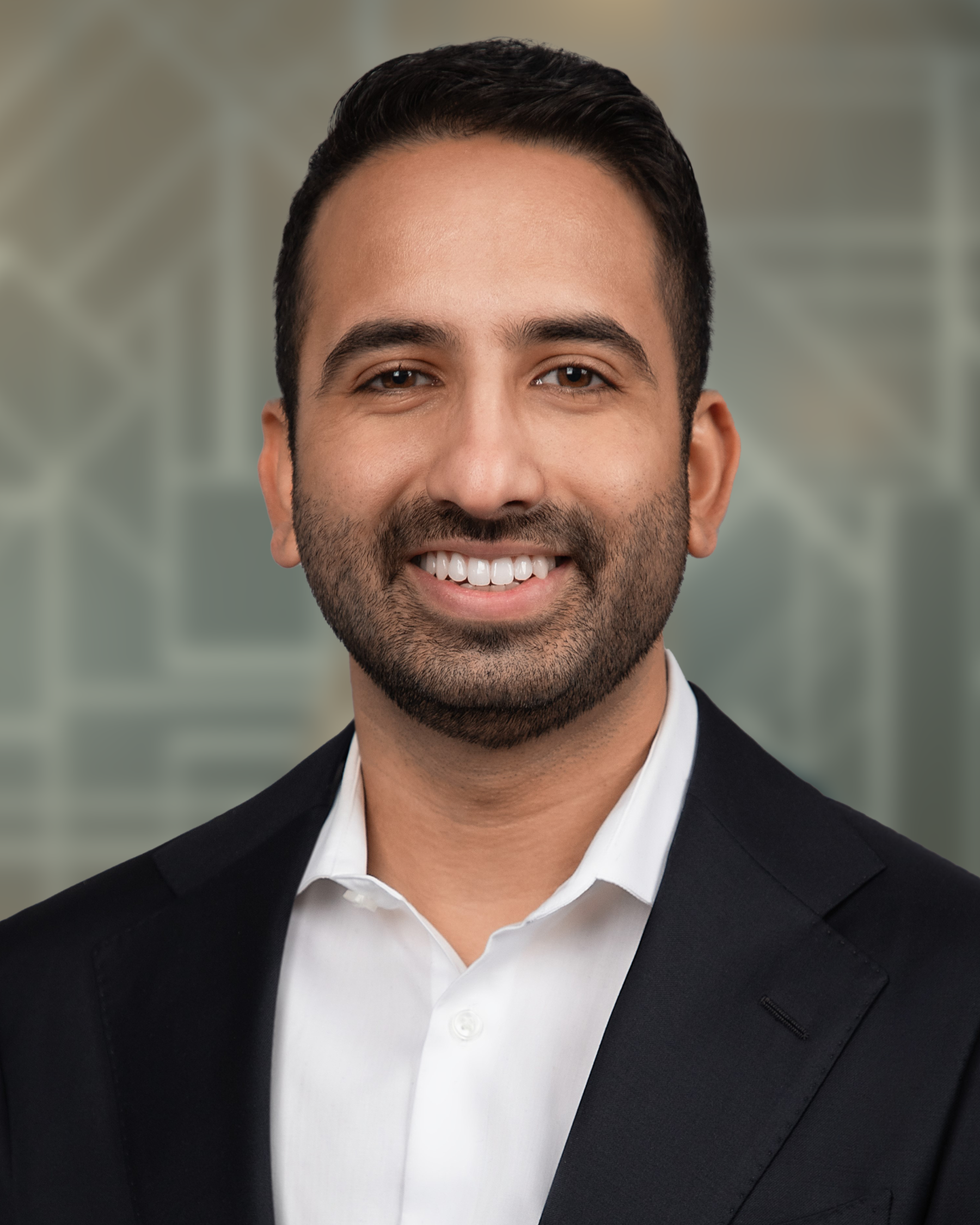
Manhattan, NY PACE Loan Group (PLG) continues to build its national platform with the addition of Eizaan Khan in the New York City office. Khan joins as vice president – capital markets, where he will focus on general capital markets strategies Khan joins as vice president – capital markets, where he will focus on securitization, managing warehouse facilities, and investor relations.
He will report to Bali Kumar, COO – PACE Loan Group. PLG opened its NYC office earlier in 2024, adding Loren Biller and Robbie Pinkas as senior vice presidents – originations, and Felix Men as a financial analyst.
“Eizaan’s experience will bolster our strength in assessing and valuing our lending instruments, bringing our clients additional depth and strength to our ability as direct lenders for C-PACE loans,” said Rafi Golberstein, CEO and founder – PACE Loan Group. “As C-PACE legislation continues to expand across the country, this financing tool is becoming critical to commercial property owners to fund renovations, stalled development, and new construction.”
Khan has spent his career at Morningstar DBRS, most recently as an assistant vice president – North American CMBS, focused on new issuances of Commercial Mortgage-Backed Securities (CMBS), Asset-Backed Securities (ABS), and Residential Mortgage-Backed Securities (RMBS). He was based in the company’s New York office, where he was responsible for CRE underwriting and modeling for conduit, single-asset single borrower (SASB), CRE CLO, Data Center, C-PACE, and credit-tenant lease (CTL) transactions. His role also included analyzing transaction structures, methodology, and valuation methods. He has been with Morningstar DBRS since 2016,
His experience includes underwriting loans across all property types, markets, and geographies as well as financial modeling for conduit, single-asset single borrower (SASB), and CRE CLO, Freddie Mac, C-PACE, and credit-tenant lease transactions.
PLG now operates from five offices – the Minneapolis headquarters, Grand Rapids, Minn., Chicago, San Diego, and NYC.
As the leading direct C-PACE lender, PLG has completed more than 175 C-PACE loans across 19 states with institutional backing from AB CarVal, a subsidiary of Alliance Bernstein
Tags:
Brokerage
MORE FROM Brokerage

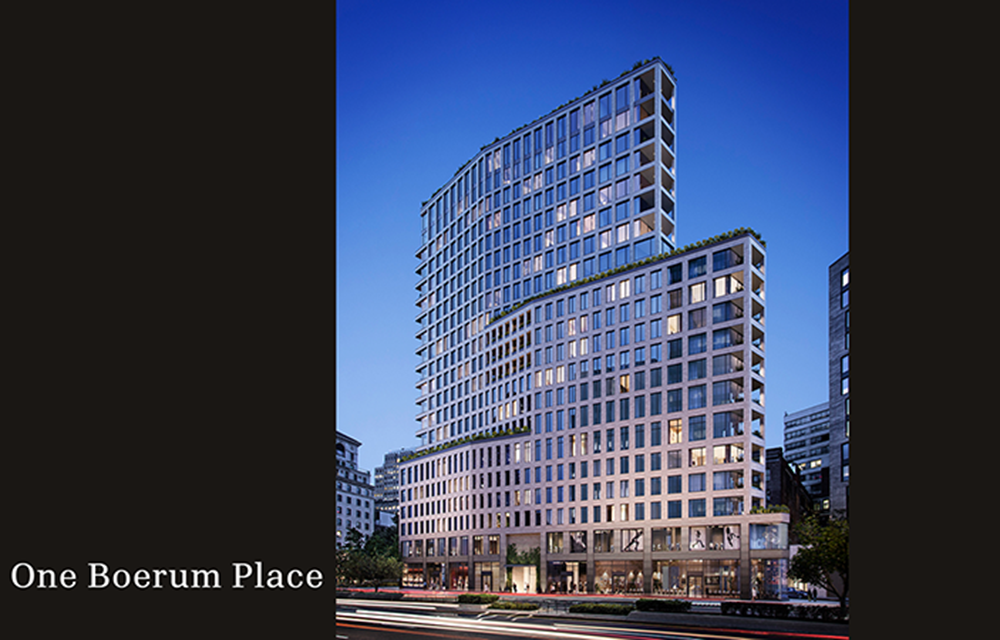
200E20TH sells out in Gramercy, penthouse A closes out sales at the CetraRuddy-designed condominium residences
Manhattan, NY 200E20TH, the CetraRuddy-designed architectural masterwork that brought a curved, contemporary sensibility to Gramercy’s Beaux-Arts streetscape, has



Quick Hits
 (2).gif)

Columns and Thought Leadership
The art of investing in real estate - by Thomas Donovan
Real estate investing is as much an art as it is a skill. No one can time the market, or the factors that drive it, perfectly. Location, zoning, size, transportation, and neighborhood density give you a baseline for

Hunt CRE question and answer: Choosing a real estate agent - by David Hunt
First, we will only work with one agent exclusively. The primary reason is that we want that agent to legally represent our client’s interests. In New York State, a real estate agent has a fiduciary

New York’s streets are full again, and the retail numbers prove it - by Noam Aziz
Walk down any New York block this year and you can feel it. The sidewalks are crowded, the storefronts are lit, and the energy that defines this city is back at full volume.

Hunt commercial real estate question and answer: Fortune 500 wisdom - by David Hunt
Yes, there are lessons to be learned from the largest companies in America when comes to managing your real estate. But the decision to buy or lease real estate may not be one of
.gif)