



News:
Brokerage
Posted: September 21, 2021
Eastern Union promotes Reisman, Owen and Waxenfeld
New York, NY Eastern Union, one of the country’s largest commercial real estate finance firms, has promoted three staff members to take on executive duties in the management of commercial mortgages.
Mordy Reisman has been named chief loan analyst and Christopher Owen has been named senior loan analyst in Eastern Union’s Mortgage Application and Setup Division. In addition, Debbi Waxenfeld has been named to the position of senior underwriter.
“Eastern Union’s transaction pipeline is valued at billions of dollars annually,” said Ira Zlotowitz, Eastern Union’s founder and president. “Mordy Reisman, Christopher Owen and Debbi Waxenfeld have the skills and experience to ensure that this substantial deal flow advances efficiently and to the greatest advantage of our clients.”
In their leadership roles in the company’s Loan Analysis and Setup Division, Reisman and Owen will oversee the compilation and formatting of clients’ financial information provided by originators and brokers. Waxenfeld will play a central role in verifying the quality of assets that seek financing through Eastern Union.
Reisman and Owen will manage the conversion of this information into the company’s standard mortgage application model. Formatted data and information will then be reviewed by underwriters and prospective lenders.
Reisman has extensive experience as a real estate manager and as a financial underwriter of commercial real estate properties. Before joining Eastern Union, he served as a regional property manager and cost analyst for YMY Acquisitions, a real estate company based in Brooklyn.
Owen, who is based in Orlando, FL, has extensive experience in the banking industry. He previously served as a member service representative for the Fairwinds Credit Union in greater Orlando. He holds a bachelor’s degree in economics from the University of Central Florida.
In her capacity as senior underwriter, Waxenfeld will ensure that lenders are providing loans to credible borrowers with the means to pay off the mortgage under consideration. Waxenfeld, who is based in Syracuse and lives in Wampsville, will help verify that assets are capable of generating anticipated revenues, assist in conveying financial information to lenders, and work with Eastern Union brokers once loans are in process.
Waxenfeld most recently served as a retirement plan account manager with Equitable in Syracuse. She holds a bachelor’s degree in business administration and management from Columbia College and an associate’s degree in the same disciplines from the Utica School of Commerce.
Tags:
Brokerage
MORE FROM Brokerage

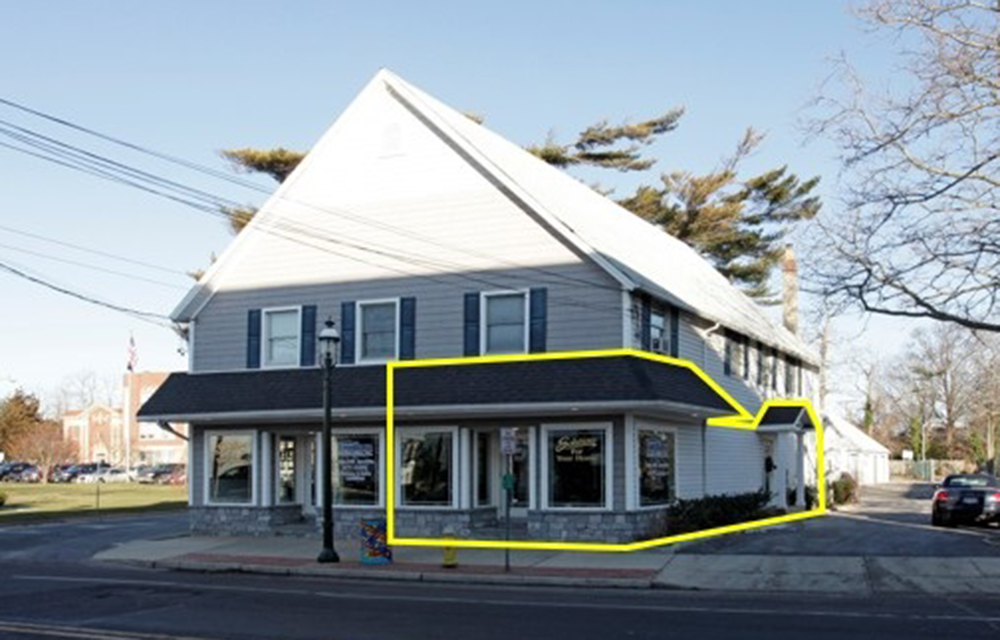
Sobel of RIPCO Real Estate signs Redefine Meals as newest tenant at New Hyde Park Place
New Hyde Park, NY New Hyde Park Place, the rebranded commercial property at 271-02 Union Tpke.on the Nassau/Queens border, has signed new tenant Redefine Meals, the Long Island-based prepared-meal company, for a new 1,000 s/f location, starting on September






Columns and Thought Leadership

Positive forecast for New York’s pro-housing push? - by Philip Butler
New York’s housing crisis remains a hot button topic despite growing consensus that varied and affordable housing is desperately needed statewide. Governor Hochul has recently introduced several initiatives to overcome N.Y.’s anti-housing

New York’s streets are full again, and the retail numbers prove it - by Noam Aziz
Walk down any New York block this year and you can feel it. The sidewalks are crowded, the storefronts are lit, and the energy that defines this city is back at full volume.

Hunt commercial real estate question and answer: Fortune 500 wisdom - by David Hunt
Yes, there are lessons to be learned from the largest companies in America when comes to managing your real estate. But the decision to buy or lease real estate may not be one of

A guide to finding the right NYC property management company - by Sanjay Gandhi
Being a small to midsize landlord in NYC is an increasingly demanding endeavor. From navigating complex regulations, increased compliance demands to dealing with tenant issues and remediating violations. It is wise to enlist the assistance of a partner, a professional
.gif)
September Promotion
