



News:
Brokerage
Posted: November 5, 2019
Duna RE Group acquires Hudson Valley properties for $9.725 million; Ralby of HKS arranges financing
 Kingston, NY Duna Real Estate Group has completed its $9.725 million acquisition of three artist and creative live-work loft properties. The portfolio totals 120,000 s/f in the city’s Midtown Arts District. The transaction was led by Hagai Barlev, founder and CEO of Duna, with financing arranged by Max Ralby, capital markets associate with HKS Real Estate Advisors, at a five-year, fixed-rate, 70% LTV with pre-payment flexibility and recourse burn-off.

HKS Real Estate Advisors
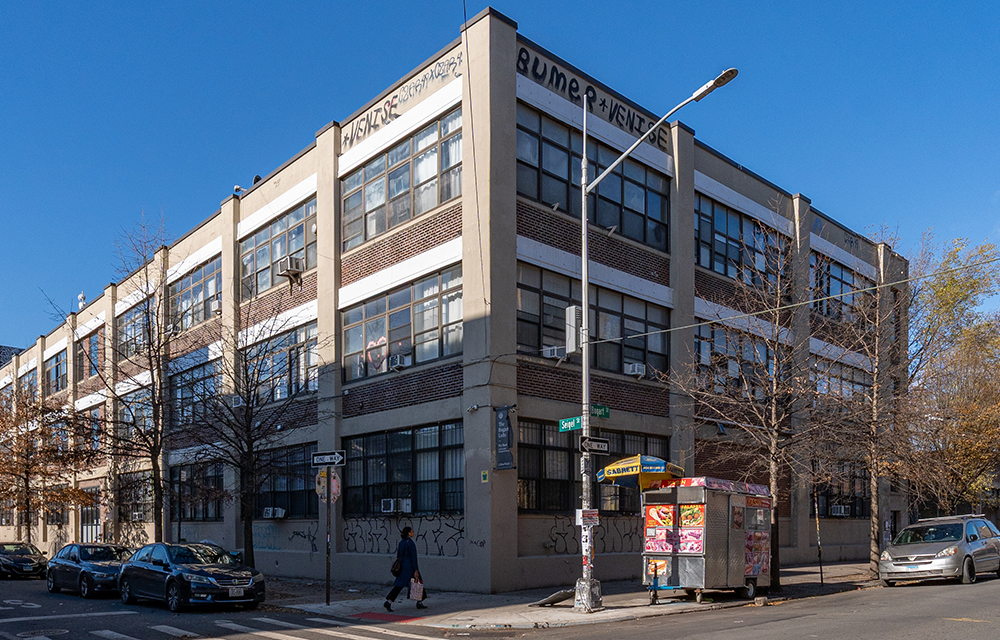
The lofts, former historic Kingston factories, include the Pajama Factory at 49 Greenkill Ave., the Brush Factory at 107 Greenkill Ave.and the Shirt Factory at 77 Cornell St.
Located adjacent to the new Empire State Trail bike paths and the town’s Broadway corridor, a main thoroughfare increasingly populated by bars, coffeeshops, restaurants and shopping, the properties are popular with the rising number of young residents looking for urban living in the heart of the idyllic Hudson Valley region.
“Residents are realizing the live-work benefits of the Mid-Hudson Valley, with its ideal balance of natural beauty and picturesque towns with deep cultural and historic roots,” said Barlev. “As the community continues to revitalize this historic and unique city, we are excited to be a part of that vibrant culture of growth in the Midtown Arts District and city of Kingston as a whole.”
“With experienced operators and well positioned real estate in an emerging market, there was a high demand from the lending community for this project,” said Ralby. “We have seen a lot of activity in the Hudson Valley region and these assets represented a unique opportunity to acquire strong performing assets well located in Kingston.”
“This is an exciting time to be in Kingston and the Hudson Valley,” said Barlev. “There is a creative and supportive community spirit here, and as public and private reinvestment continues to fund infrastructure, this is a great place to live, work and have fun. The factory lofts are a natural fit for our strategy of investing in our buildings for the long term.”
Tags:
Brokerage
MORE FROM Brokerage

TF Cornerstone inks Hanover Park lease and PMG Worldwide expansion at 387 Park Ave. South
Manhattan, NY New York City real estate development firm TF Cornerstone (TFC) has completed 100,000 s/f of leasing activity over the past year at 387 Park Ave. South, highlighted by a new lease with Hanover Park and the expansion and extension of PMG Worldwide totaling more than 58,000 s/f.


Quick Hits
 (2).gif)

Columns and Thought Leadership

Hunt commercial real estate question and answer: Fortune 500 wisdom - by David Hunt
Yes, there are lessons to be learned from the largest companies in America when comes to managing your real estate. But the decision to buy or lease real estate may not be one of

New York’s streets are full again, and the retail numbers prove it - by Noam Aziz
Walk down any New York block this year and you can feel it. The sidewalks are crowded, the storefronts are lit, and the energy that defines this city is back at full volume.

A guide to finding the right NYC property management company - by Sanjay Gandhi
Being a small to midsize landlord in NYC is an increasingly demanding endeavor. From navigating complex regulations, increased compliance demands to dealing with tenant issues and remediating violations. It is wise to enlist the assistance of a partner, a professional

Positive forecast for New York’s pro-housing push? - by Philip Butler
New York’s housing crisis remains a hot button topic despite growing consensus that varied and affordable housing is desperately needed statewide. Governor Hochul has recently introduced several initiatives to overcome N.Y.’s anti-housing
.gif)
September Promotion
