



News:
Brokerage
Posted: February 25, 2008
DevelopGREEN: Sustainable Solutions for Commercial Real Estate conference to be held March 12 - 13 in Glendale, Ariz.
"As the sub-prime mortgage crisis in the United States depresses the commercial credit market, which until recently had fueled soaring real estate investment returns, emphasis now is shifting to improving operating results to drive property values," said IREM president Regina Mullins, CPM. "Operations is replacing speculation as the stimulus for growing real estate values - and the lead players in this essentially back-to-basics scenario are the top-notch, professional managers of real estate assets who are hired by investors to do just that, to optimize ROI from operations."
"Indeed," Mullins said, "protecting real estate assets and enhancing their value are what professional real estate managers have always been about. The fundamental mission of credentialed managers is to improve ROI by optimizing operating revenue and controlling expenses. And now that flipping properties no longer is as prevalent or feasible as it once was, owners and investors are looking to sustained long-term ROI growth as the key to increasing the value of their investments."
"Professional, credentialed real estate managers," Mullins said, "do a lot more than just collect rents." She cites the full range of skills, experience and integrity that credentialed managers bring to the table to optimize ROI from operations, including:
* Budgeting and financial management
* Asset and risk management
* Marketing and leasing
* Human resources management
* Physical property management
* Business development and negotiation skills
* Communications and resident/tenant relations skills
* Ethical business practices
"As well, they must have knowledge of increasingly competitive market conditions and complex technologies. Finally," said Mullins, "well-managed properties don't just appreciate in value but also improve the quality of life for the people who live, work and shop in them."
IREM is celebrating its 75th anniversary. For more than seven decades, IREM has been the source for education, resources, information, and membership for real estate management professionals. An affiliate of the National Association of Realtors, IREM is one of the only professional real estate management associations serving both the multi-family and commercial real estate sectors. With 80 U.S. chapters, eight international chapters, and several other partnerships around the globe, IREM is an international organization that also serves as an advocate on issues affecting the real estate management industry.
Tags:
Brokerage
MORE FROM Brokerage
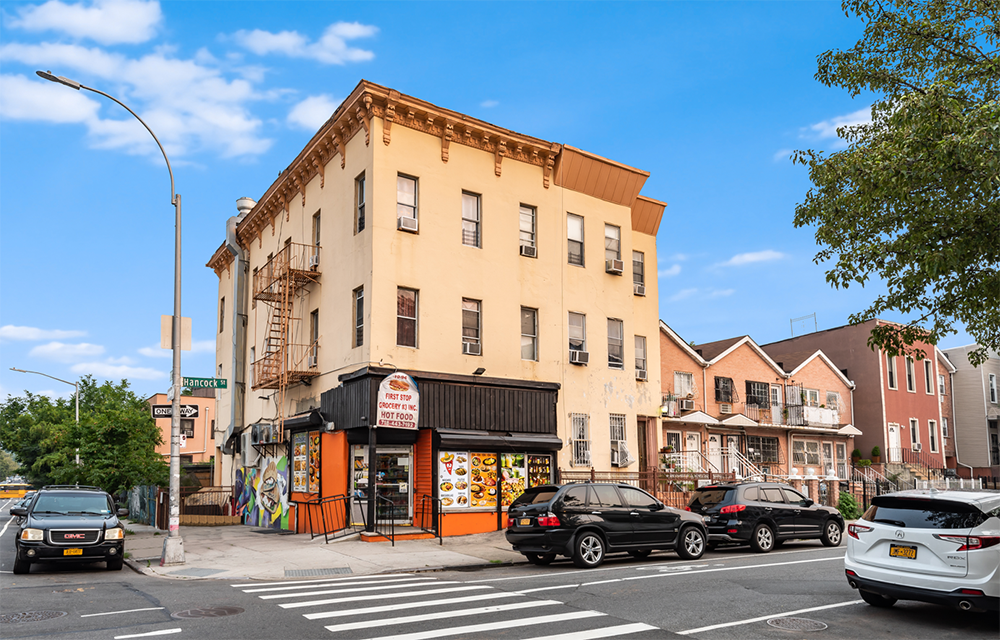
Investment Property Realty Group closes $1.75 million sale of 1094 Hancock Street in Brooklyn
Brooklyn, NY Investment Property Realty Group (IPRG), a New York-based commercial investment firm, has closed the sale of 1094 Hancock St., a mixed-use building in the Bushwick section, for $1.75 million.



Quick Hits
 (2).gif)

Columns and Thought Leadership

Hunt commercial real estate question and answer: Fortune 500 wisdom - by David Hunt
Yes, there are lessons to be learned from the largest companies in America when comes to managing your real estate. But the decision to buy or lease real estate may not be one of

New York’s streets are full again, and the retail numbers prove it - by Noam Aziz
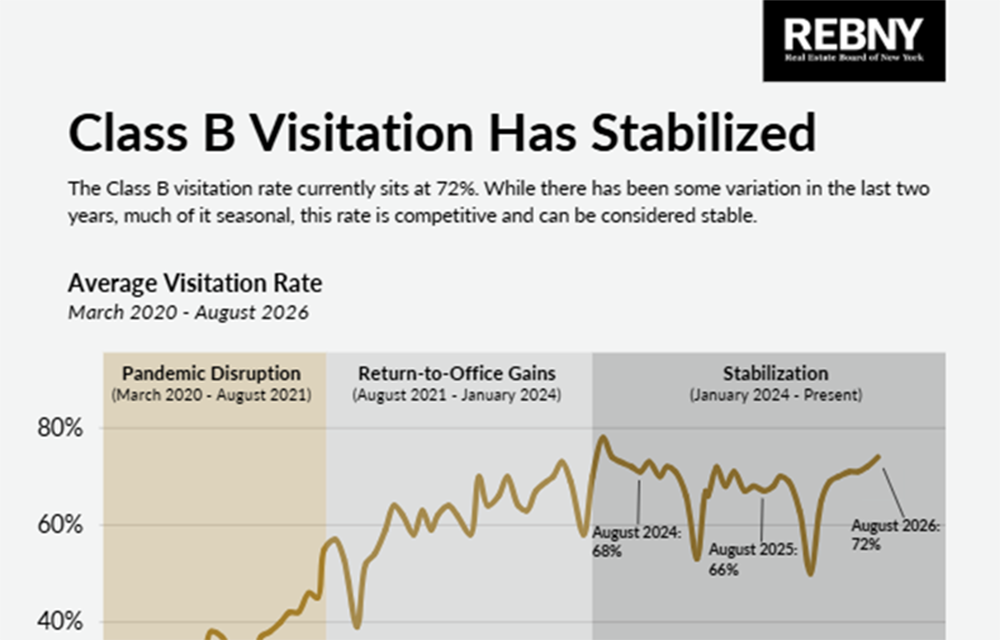
Walk down any New York block this year and you can feel it. The sidewalks are crowded, the storefronts are lit, and the energy that defines this city is back at full volume.

A guide to finding the right NYC property management company - by Sanjay Gandhi
Being a small to midsize landlord in NYC is an increasingly demanding endeavor. From navigating complex regulations, increased compliance demands to dealing with tenant issues and remediating violations. It is wise to enlist the assistance of a partner, a professional

Hunt CRE question and answer: Choosing a real estate agent - by David Hunt
First, we will only work with one agent exclusively. The primary reason is that we want that agent to legally represent our client’s interests. In New York State, a real estate agent has a fiduciary
.gif)