



News:
Brokerage
Posted: August 11, 2015
Desperately seeking infrastructure: Investment challenges
Public infrastructure is necessary for any economy to function, and a prerequisite for future growth. Yet, a recent report estimates that Americans lose approximately $121 billion each year to traffic, fuel and lost productivity due to a dearth of adequate infrastructure.
Meaningful investment by both public and private sectors is required to modernize and expand our outdated infrastructures. But, with Federal infrastructure spending at a 20-year low, and other state and global governments cash poor, public funds will only cover a fraction of infrastructure needs.
So, governments are increasingly and actively encouraging private investment in infrastructure. Together with large private sector productivity gains from public infrastructure investments, often with higher returns than private capital investment, these incentives greatly enhance the appeal to institutional and private investors of an infrastructure asset class.
Furthermore, infrastructures generally have useful lives spanning 30+ years, so revenue streams have more long-term stability, keeping up with inflation and less sensitive to economic cycles or market gyrations than revenues from many other businesses. Infrastructure owners enjoy near-monopolies over the services they provide, and demand is relatively inelastic.
Underscoring the appeal of private infrastructure investment is KKR's July announcement of a new $3.1 billion fund focused on infrastructure investments in energy supply chain, water systems, roads, railways, airports, and communications networks, to serve the growing need to upgrade global infrastructure. A diverse group of new and existing global investors, including public and corporate pensions, asset managers, sovereign wealth funds, insurance companies, and foundations have backed this fund.
Despite many benefits, private investors face a number of regulatory and political risks inherent in the complex arrangements typically utilized in infrastructure. It is imperative that these challenges be addressed to ensure increased long-term private infrastructure investment.
Federal infrastructure policy, in particular, has been paralyzed by partisan wrangling over massive infrastructure bills and initiatives, including the recent six-year highway reauthorization bill entitled the Developing and Reliable and Innovated Vision for the Economy (DRIVE) Act, to facilitate local infrastructure projects with more defined and integrated processes.
Political opposition has killed many prominent infrastructure projects, including some in Chicago and Pennsylvania, while inter-agency and partisan squabbling has impacted New York's infrastructure and contributed to freezing Boston's mass transit system in place during last winter's storms.
Nevertheless, the growing success of state legislatures, 30 to date, in bi-partisan implementation of legislation facilitating public-private partnerships (PPPs) for more collaborative profitable infrastructure finance, provides some light at the end of the tunnel.
In order to further unlock private investment at the state level, the Federal government should consider: reducing state borrowing costs; allowing continued flexibility for alternative revenue sources (e.g., PPPs, tolling and user fees, and low-cost borrowing through innovative credit and bond programs) and private capital financing solutions; streamlining regulatory reviews, environmental permitting and financing approval processes; reducing regulatory uncertainty for project sponsors; improving program management to speed project delivery; and integrating Federal financing programs.
A generation of investments in world-class infrastructure in the mid-twentieth century is now reaching the end of its useful life. Cost estimates for modernizing transportation, energy and water infrastructure over the next decade are over $2.3 trillion. With public infrastructure investment about half what it was fifty years ago, more effective solutions to the political and regulatory risks thereof are desperately needed.
Barbara Champoux, Esq., is a partner at Crowell & Moring LLP and a past president at NYCREW Network, New York, N.Y.
Tags:
Brokerage
MORE FROM Brokerage
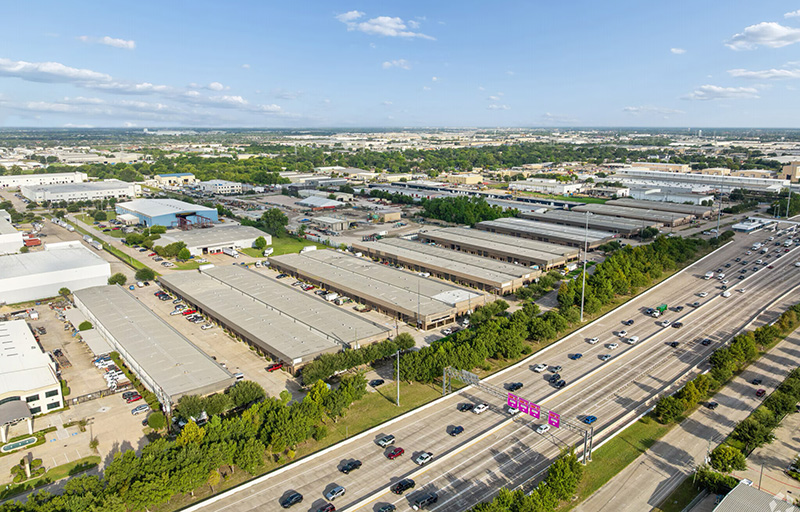
Simi Capital enters Texas with acquisition of 359,000 s/f small-bay industrial portfolio in Northwest Houston
Houston, TX Simi Capital acquired a three-property, 359,000 s/f small-bay industrial portfolio. The transaction, completed in a joint venture with Decker Capital, marks Simi



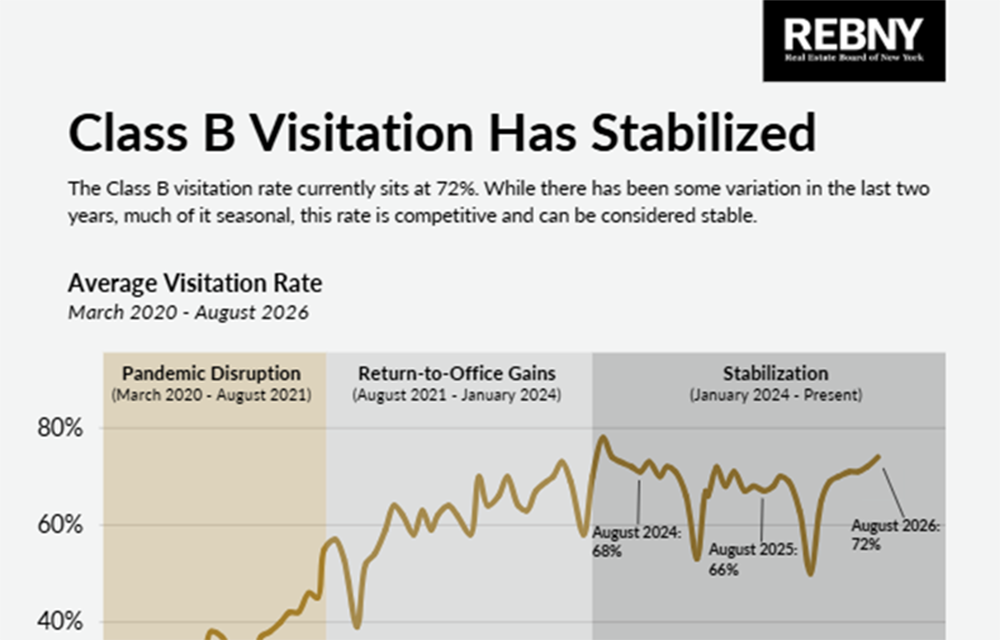


Quick Hits

Columns and Thought Leadership

Hunt CRE question and answer: Choosing a real estate agent - by David Hunt
First, we will only work with one agent exclusively. The primary reason is that we want that agent to legally represent our client’s interests. In New York State, a real estate agent has a fiduciary

New York’s streets are full again, and the retail numbers prove it - by Noam Aziz
Walk down any New York block this year and you can feel it. The sidewalks are crowded, the storefronts are lit, and the energy that defines this city is back at full volume.

Hunt commercial real estate question and answer: Fortune 500 wisdom - by David Hunt
Yes, there are lessons to be learned from the largest companies in America when comes to managing your real estate. But the decision to buy or lease real estate may not be one of

A guide to finding the right NYC property management company - by Sanjay Gandhi
Being a small to midsize landlord in NYC is an increasingly demanding endeavor. From navigating complex regulations, increased compliance demands to dealing with tenant issues and remediating violations. It is wise to enlist the assistance of a partner, a professional
.gif)