



News:
Brokerage
Posted: August 11, 2015
Executive of the Month: Gerken of TD Bank: Staying current and inquisitive is essential for success; Firm closed more than 240 transactions totaling $6.3 billion in commitments
The New York Real Estate Journal recently sat down with Gregg Gerken, senior vice president, TD Bank Group, and Head of U.S. Commercial Real Estate Lending at TD Bank, for a question and answer session.
Q: How did you get started in the real estate industry?
A: I started with the Construction Loan Department of the bank in 1987, right before that real estate recession. During my time there, I quickly learned what made a good real estate deal and how to workout a deal.
Q: 2014 was a great year for the TD Bank CRE team. Why do you think your team had such a successful year?
A: Our team did have a very good year. We closed more than 240 transactions totaling $6.3 billion in commitments, increasing total commitments by nearly 9.5% in 2014 over 2013. Our success is driven by the talented team of professionals we have and the great relationships we have established in the market.
Q: What do you think is one trend that will drive transactions in 2015?
A: As with other industries, the commercial real estate market has seen a lot of growth fueled by continued improvement in the economy and job market. A healthy job market is always a strong driver for commercial real estate, so we watch economic conditions carefully in our business.
Q: How does the New York CRE market compare to other regions TD Bank services?
A: New York City is a large, diverse market with great resilience, marketability and global importance. Those factors certainly make it unique. TD's Commercial Real Estate Group serves businesses from Maine to Florida, so we see a variety of market strengths. Outside of New York City, we've seen robust activity in Boston and Washington, D.C.
Q: How has the CRE market changed during your career?
A: The fundamentals of the commercial real estate business don't change. It's a cyclical business, so the changes I've seen over the course of my career are trend driven. Ultimately, to stay competitive, it comes down to awareness of those drivers, listening to your customers, and being able to identify a good deal.
Q: How does TD develop talent? What do you look for in your team of professionals?
A: We look at two key categories of professionals: we hire bright people with experience and we hire young people who are eager to learn. It is important for us to identify people who have a passion for the business, are collaborative and eager to work with others and have an interest in long-term professional development. When you find employees with a combination of those characteristics, you create a highly engaged team.
Q: What advice would you give someone looking to start a career in commercial real estate finance?
A: It's important that you have a "never stop learning and growing" mindset. This is essential for any professional, but particularly important in commercial real estate because the business is very much driven by trends. Staying current and inquisitive is essential for success.
Q: Can you tell me something that most people would not know about you?
A: I just became a grandfather, which is a title I wasn't ready for but a job I love.
Q: What professional and community organizations are you involved with?
A: I serve on the MBA & Real Estate Capital Policy Advisory committee of the Real Estate Roundtable. Within the community, I sit on the Executive & Development Committee for the New Jersey Chapter of the Susan G. Komen Breast Cancer Foundation and on the Board of Directors for the New Jersey Performing Arts Center.
Q: If you weren't working in commercial real estate, what do you think you'd be doing?
A: I'd want to be in a profession that, like my current position, is relationship driven and requires a lot of engagement. I'd probably be coaching, teaching or working in career development.
Q: How has the low interest rate environment impacted CRE and how will the prospect (and ultimate reality of) higher rates impact the industry?
A: Low rates have helped stabilize and spur the recovery. The low rate environment has had a positive impact on capitalization rates, cost of capital and value. Normalization of rates is inevitable and will obviously lower returns, increase cost to carry and lower values.
Q: Within TD Bank's east coast footprint, which regions are currently seeing the most deal activity and do you expect that to be the case moving forward?
A: TD Bank serves the Eastern Seaboard from Maine and Florida. NYC followed by Boston and D.C. have been the most active markets, but we see activity increasing in Florida, the Carolinas and Philadelphia due to continued economic improvement.
Q: Are the any particular sectors that you think will drive the most growth in CRE this year?
A: The multifamily housing sector has been the most active as demand has remained strong. Overall housing demand is expected to continue to improve.
Q: What are some of your favorite things to do in your free time?
A: Mountain biking, running and enjoying all sorts of live music performances.
Tags:
Brokerage
MORE FROM Brokerage
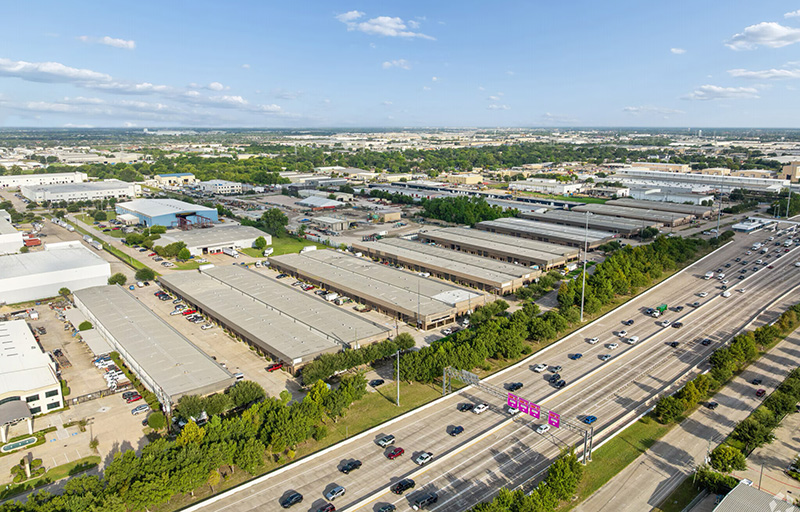
Simi Capital enters Texas with acquisition of 359,000 s/f small-bay industrial portfolio in Northwest Houston
Houston, TX Simi Capital acquired a three-property, 359,000 s/f small-bay industrial portfolio. The transaction, completed in a joint venture with Decker Capital, marks Simi


Quick Hits
 (2).gif)

Columns and Thought Leadership

Hunt CRE question and answer: Choosing a real estate agent - by David Hunt
First, we will only work with one agent exclusively. The primary reason is that we want that agent to legally represent our client’s interests. In New York State, a real estate agent has a fiduciary

New York’s streets are full again, and the retail numbers prove it - by Noam Aziz
Walk down any New York block this year and you can feel it. The sidewalks are crowded, the storefronts are lit, and the energy that defines this city is back at full volume.

A guide to finding the right NYC property management company - by Sanjay Gandhi
Being a small to midsize landlord in NYC is an increasingly demanding endeavor. From navigating complex regulations, increased compliance demands to dealing with tenant issues and remediating violations. It is wise to enlist the assistance of a partner, a professional

Hunt commercial real estate question and answer: Fortune 500 wisdom - by David Hunt
Yes, there are lessons to be learned from the largest companies in America when comes to managing your real estate. But the decision to buy or lease real estate may not be one of
.gif)