


 (2).gif)
News:
Spotlight Content
Posted: September 12, 2011
Depreciation on property with mixed-use may provide tax advantages
For real estate assets, the current federal depreciation method is straight-line with a recovery period of 27.5 years for residential property and 39 years for nonresidential property. The resulting calculation provides slow annual depreciation on these assets with the limited exceptions of the benefits of recent bonus depreciation and Section 179 expensing of qualified leasehold improvements. If a real property asset can be classified into a shorter life recovery period, this will obviously increase the current annual depreciation deduction. The question is how this can be accomplished as the class lives of assets are defined in relatively strict detail in Revenue Procedure 87-56. One common approach is having a cost segregation study performed. This will then classify assets into lives as short as 5 to 15 years. However, this is only on the portion of the asset classified by the engineer as personal property or land improvements.
If the entire real property could be classified into a shorter recovery, this could clearly provide a larger depreciation deduction as the entire cost would be subject to a shorter life. However, is there any IRS guidance on this issue? The answer is yes as the IRS in Chief Counsel Advice Memorandum IRS Letter Ruling 201123001 provides guidance.
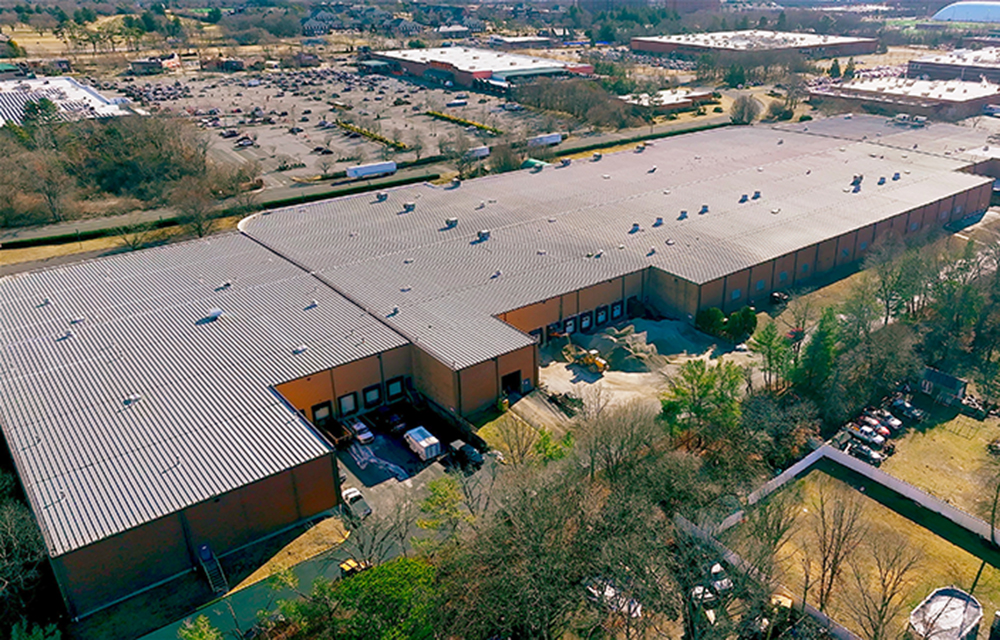
The taxpayer described in the memorandum is a corporation which provides full-service leasing and contract maintenance programs where the taxpayer provides vehicle maintenance, supplies, fuel, and the related equipment which is necessary for the operation of trucks. The taxpayer owns the property that consists of a fuel island, parking lot, billboards, both office and conference space, a work room, mechanical room, truck service center and truck wash.
Revenue Procedure 87-56 describes Asset Class 57.1, Distributive Trades and Services- Billboard, Service Station Building and Petroleum Marketing Land Improvements, to include service station buildings and depreciable land improvements used in the marketing of petroleum and petroleum products, but not including any portion of the facilities related to petroleum and natural gas pipelines. This asset class also includes car wash buildings and related land improvements, including billboards. An asset classified in Asset Class 57.1 will be depreciated over a 15 year recovery period pursuant to IRC Sec. 168(a). The depreciation method is 150% declining balance with the half-year convention.
Asset Class 57.1 excludes all other land improvements, buildings and structural components defined in Regulation Sec. 1.48-1(e). This Regulation details that "building generally means any structure or edifice enclosing a space within its walls, and usually covered by a roof, the purpose of which is, for example, to provide shelter or housing, or to provide working, office, parking, display, or sales space. The term includes, for example, structures such as apartment houses, factory and office buildings, warehouses, barns, garages, railway or bus stations, and stores."
The IRS determined that truck service center, which included the service bay for the drive-through truck wash accounted for 84% of the floor space of the property building. Hence, they made the conclusion that the building was being used primarily as a service station for the particular taxable year for which guidance was sought. Accordingly, the IRS Office of Chief Counsel concluded that the property building is a service station building includable in Asset Class 57.1 of Revenue Procedure 87-56 with a 15-year recovery period.
While the advice cited in the Chief Counsel's Memorandum cannot be used or cited as precedent, this letter ruling does provide some insight that the IRS will consider property with mixed use to be depreciated over the shorter overall life which pertains to the majority of the property. In this case, there was office and conference space on the property, which under almost all other circumstances would be depreciated over 39 years.
However, as the primary use test prevailed, the taxpayer will benefit using a class life which will provide more than twice the annual depreciation in the early years of the asset's life than would have been ordinarily allowed. This may provide additional cash flow through the income tax savings provided by the accelerated depreciation.
Sandy Klein, CPA, is a partner at Shanholt Glassman Klein Kramer & Co., New York, N.Y.
Tags:
Spotlight Content
MORE FROM Spotlight Content

NYREJ's 2026 Developing Long Island Spotlight is here!
This spotlight showcases projects completed and currently under construction across Long Island as well as highlights improvements made to the region through Industrial and Economic Development Agencies and BIDs.



.png)



Columns and Thought Leadership

Properly serving a lien law Section 59 Demand - by Bret McCabe
Many attorneys operating within the construction space are familiar with the provisions of New York Lien Law, which allow for the discharge of a Mechanic’s Lien in the event the lienor does not commence an action to enforce following the service of a “Section 59 Demand”.

From vacancy to vitality: How adaptive reuse is reshaping Long Island’s CRE landscape - by Andrea Tsoukalas Curto
Adaptive reuse has become one of the most important conversations in commercial real estate today. Long Island has a large inventory of aging retail, office and industrial

CRE Guide Featured Company: Merritt Environmental Consulting Corp.
Merritt Environmental Consulting Corp. (MECC) was established in June of 2009 after being part of a larger engineering firm for almost 20 years. The focus of the company is to assist lending institutions, attorneys, real estate investors, and property owners with environmental concerns. Today, MECC has offices in New York, Florida, and Vermont and has grown into a regional consulting firm serving clients along the East Coast.

2026 Developing Queens: Long Island Board of Realtors advances commercial growth and advocacy in Queens
The Long Island Board of Realtors (LIBOR) Commercial Network continues to play a key role in advancing opportunities and strengthening the commercial real estate landscape across Queens. Through targeted programming and global outreach