



News:
Brokerage
Posted: August 26, 2013
Dean of Swig Equities represents landlord in 42,000 s/f lease at 110 William Street
According to Kent Swig, president of Swig Equities, LLC, the firm has signed a new 42,000 s/f lease at 110 William St. with Pacific College of Oriental Medicine. This latest transaction raised the property's leased rate to 99%.
Pacific College of Oriental Medicine, an educational institution for East Asian medicine, has signed a 15-year lease for the expansive space, which includes the entire 19th floor as well as a portion of the ground floor at 110 William St. Pacific College of Oriental Medicine also has locations in San Diego and Chicago.
"We continue to experience strong interest in our FiDi portfolio from a vast cross section of industries, and educational institutions," said Swig. "FiDi offers great value, convenient access to transportation and a thriving atmosphere unlike any other neighborhood in Manhattan."
Jonathan Dean, senior vice president and director of commercial leasing for Swig Equities, represented the landlord, while Mark Weiss, Robert Eisenberg and Nick Berger from Newmark Grubb Knight Frank represented the tenant.
110 William St. is a 32-story commercial office building containing 900,000 s/f in downtown Manhattan's FiDi office market. Originally constructed in 1918 and later redesigned in 1959, 110 William St. recently completed a major capital improvement program, including lobby renovations, façade upgrades and modernized high-speed passenger elevators.
"We are excited to be locating our new facility in 110 William Street, in the heart of the vibrant FiDi neighborhood. Our students, many of whom reside in Brooklyn, appreciate the convenient location right above the Fulton station. We all enjoy the views of the Brooklyn Bridge from this spacious, light-filled facility custom-designed for our educational needs," said Jack Miller, President of Pacific College of Oriental Medicine.
"110 William Street offers our tenants the modern luxury and convenience they seek, while the building's setback design provides efficient floor plates with great views and light for tenants to transform space to meet their own unique needs," added Mr. Dean.
Tags:
Brokerage
MORE FROM Brokerage
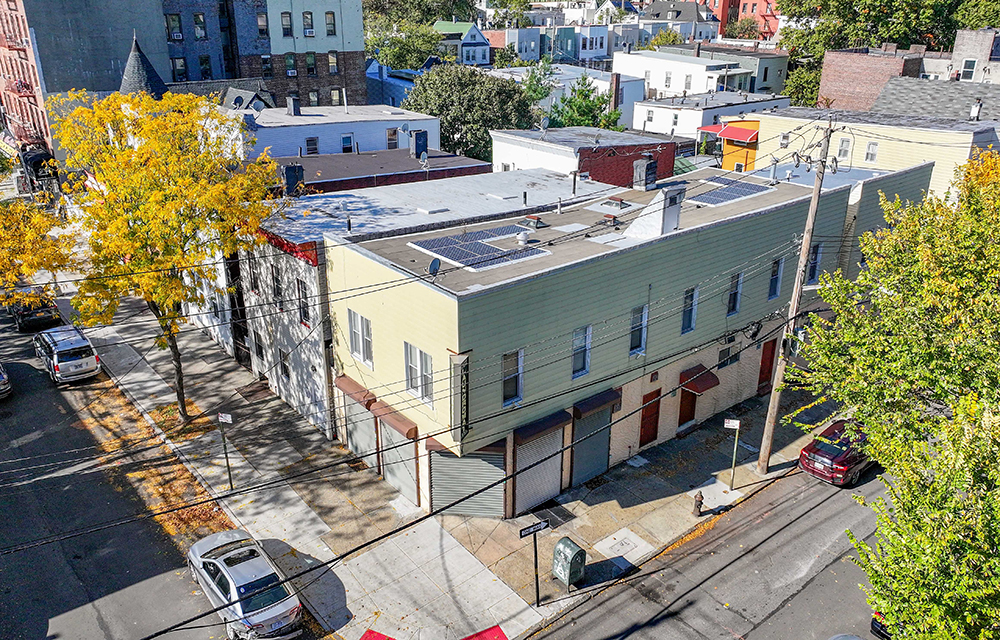
Investment Property Realty Group’s Team Friedman closes five Bronx sales totaling $5.3 million
Bronx, NY Investment Property Realty Group’s (IPRG) Team Friedman closed five sales totaling $5.3 million in the month of September. • 1707 Melville St. sold for $1.35 million. Located in Van Nest, the property




Columns and Thought Leadership

A guide to finding the right NYC property management company - by Sanjay Gandhi
Being a small to midsize landlord in NYC is an increasingly demanding endeavor. From navigating complex regulations, increased compliance demands to dealing with tenant issues and remediating violations. It is wise to enlist the assistance of a partner, a professional

Hunt commercial real estate question and answer: Fortune 500 wisdom - by David Hunt
Yes, there are lessons to be learned from the largest companies in America when comes to managing your real estate. But the decision to buy or lease real estate may not be one of

New York’s streets are full again, and the retail numbers prove it - by Noam Aziz
Walk down any New York block this year and you can feel it. The sidewalks are crowded, the storefronts are lit, and the energy that defines this city is back at full volume.

Positive forecast for New York’s pro-housing push? - by Philip Butler
New York’s housing crisis remains a hot button topic despite growing consensus that varied and affordable housing is desperately needed statewide. Governor Hochul has recently introduced several initiatives to overcome N.Y.’s anti-housing
.gif)
September Promotion
