



News:
Brokerage
Posted: March 2, 2021
Daniel Gale Sotheby’s International Realty launches QWID, an Innovative Marketing Allowance Program
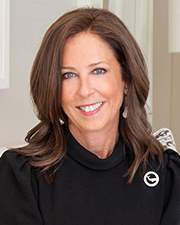
Cold Spring Harbor, NY Daniel Gale Sotheby’s International Realty, one of the nation’s leading realtors, has launched an innovative marketing allowance program that gives its real estate advisors the freedom to manage individual marketing expenses in a way that works best for them. The program, QWID, provides each advisor with an annual marketing budget that can be used to cover expenses they incur marketing themselves or their listings. Deirdre O’Connell, CEO of Daniel Gale Sotheby’s International Realty made the announcement.
“We are so pleased to be able to make this significant contribution to our advisors’ marketing budgets,” said O’Connell. “For our newer advisors in particular, QWID will give them a boost to help them jump start their careers and supplement their marketing dollars at a critical stage. They can use the money to market a property or for personal promotion—however they see fit to benefit their business. We take pride in being a company that while steeped in a tradition of strong core values, also understands the value of continued innovation through leveraging real estate technologies and inventive benefits like this.”
Marketing products available through the program include property and personal promotion, photography, client gifts, premier agent accounts, and video and digital marketing materials. The annual QWID allowance is determined annually, and based on each individual advisor’s production from the previous year. The dollars are deposited quarterly into the advisor’s marketing portal, with new advisors receiving a base starting allowance.
“All QWID marketing opportunities are available in a catalog form with pricing for the advisors to select,” said O’Connell. “When an advisor applies QWID to property marketing, for example, the asset is uploaded to the advisor’s dashboard in that property folder. Property folders are a snap to share with sellers and allow the advisors to track their expenses to the penny.”
She explained that the name QWID is derived from the Latin phrase – quid pro quo – something for something, which originated in the 16th century. It’s also where the British got their slang, quid, for the pound sterling.
Tags:
Brokerage
MORE FROM Brokerage

Resource Realty of Northern NJ delivers complete lease-up of 235 Franklin Rd. for Commerce Park Investors
Randolph, NJ Resource Realty of Northern New Jersey (RRNNJ) has completed the lease-up of a 10-unit small-bay industrial property at 273 Franklin Rd., marking the culmination of an investment strategy that began



Quick Hits
 (2).gif)

Columns and Thought Leadership

Positive forecast for New York’s pro-housing push? - by Philip Butler
New York’s housing crisis remains a hot button topic despite growing consensus that varied and affordable housing is desperately needed statewide. Governor Hochul has recently introduced several initiatives to overcome N.Y.’s anti-housing

New York’s streets are full again, and the retail numbers prove it - by Noam Aziz
Walk down any New York block this year and you can feel it. The sidewalks are crowded, the storefronts are lit, and the energy that defines this city is back at full volume.

A guide to finding the right NYC property management company - by Sanjay Gandhi
Being a small to midsize landlord in NYC is an increasingly demanding endeavor. From navigating complex regulations, increased compliance demands to dealing with tenant issues and remediating violations. It is wise to enlist the assistance of a partner, a professional

Hunt commercial real estate question and answer: Fortune 500 wisdom - by David Hunt
Yes, there are lessons to be learned from the largest companies in America when comes to managing your real estate. But the decision to buy or lease real estate may not be one of
.gif)