



News:
Brokerage
Posted: December 26, 2011
Creating value through an improvement exchange to an existing building
Very often, the taxpayer (seller) of a business or investment-held property has a buyer for the relinquished property being disposed of, and has located the replacement property they wish to acquire to complete their exchange transaction.
However, the acquisition property (replacement property) is not equal to or greater in value to the sale property (relinquished property). To go ahead and complete the exchange transaction would mean that "boot" would be recognized for the difference in values and taxed.
The Solution
The taxpayer looking to be totally tax-deferred has an opportunity to add value to the replacement property, which would eliminate the earlier problem of boot. It also allows the taxpayer the opportunity to acquire the replacement property that may be purchased right because of its present condition and use part of the proceeds from the relinquished property to make improvements to create value. Under this type of a deferred (improvement) exchange both the replacement property value and the improvement value to be added can qualify as part of the exchange transaction.
This entire process must still take place within the 180 day "exchange period." That means from the closing date of the relinquished property the taxpayer has a maximum of 180 days to take legal title of the replacement property.
The wake-up item is that the intended improvements do not have to be finished (a completed project) in order to transfer the replacement property to the taxpayer. As long as the value of the (existing structure) and new improvements being added are at a value which are at least the same as the relinquished property that was disposed of, the exchange can be completed by conveying title to the taxpayer. However, the taxpayer must still identify the replacement property and its added improvements within the 45 day "identification period" and must be substantially the same as what was identified.
The following is an example of how an "improvement exchange" can work. The taxpayer disposes of a property valued at $200,000, which was mortgage free and wants a replacement property worth $100,000. The qualified intermediary is brought into the exchange transaction by the taxpayer and the rights of the contract of sale are assigned to the qualified intermediary and the proceeds (cash) from the buyer are retained by the qualified intermediary in a restricted escrow account. These funds ($200,000) are used by the qualified intermediary to acquire legal title of the $100,000 replacement property that the taxpayer wanted. The qualified intermediary, acting as Exchange Accommodation Titleholder (EAT), retains legal title of the replacement property and uses the remaining $100,000 in the restricted escrow account to add improvements required to bring the value of the replacement property up to at least the value that the relinquished property was disposed of. Once the improvements are completed the improved replacement property is then conveyed from the Exchange Accommodation Titleholder to the taxpayer, which will finalize the improvement exchange transaction.
The improvement exchange can be a great opportunity to create value by adding improvements to an existing building and to be totally tax-deferred.
Russell Gullo, CCIM, CEA, is a certified exchange advisor, president of R. J. Gullo & Co., Inc., West Seneca, N.Y.
Tags:
Brokerage
MORE FROM Brokerage
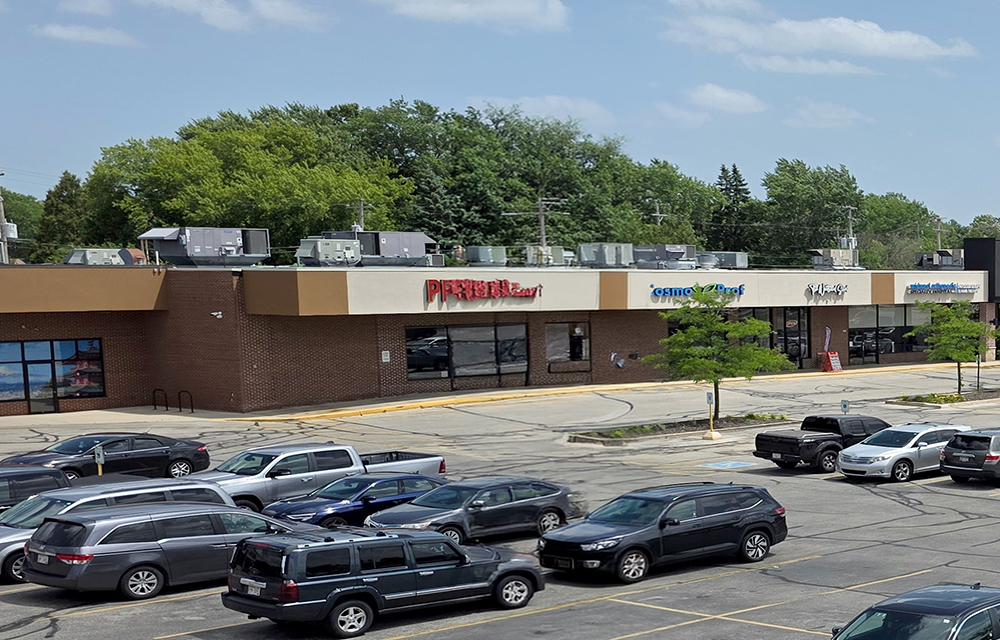
United Properties Corp. expands Wisconsin and Illinois retail presence adding 200,000 s/f
West Allis, WI United Properties Corp. completed two retail acquisitions totaling $27.4 million across Illinois and Wisconsin, adding 205,000 s/f of shopping center space to its portfolio





Quick Hits

Columns and Thought Leadership

Positive forecast for New York’s pro-housing push? - by Philip Butler
New York’s housing crisis remains a hot button topic despite growing consensus that varied and affordable housing is desperately needed statewide. Governor Hochul has recently introduced several initiatives to overcome N.Y.’s anti-housing

A guide to finding the right NYC property management company - by Sanjay Gandhi
Being a small to midsize landlord in NYC is an increasingly demanding endeavor. From navigating complex regulations, increased compliance demands to dealing with tenant issues and remediating violations. It is wise to enlist the assistance of a partner, a professional

New York’s streets are full again, and the retail numbers prove it - by Noam Aziz
Walk down any New York block this year and you can feel it. The sidewalks are crowded, the storefronts are lit, and the energy that defines this city is back at full volume.

Hunt commercial real estate question and answer: Fortune 500 wisdom - by David Hunt
Yes, there are lessons to be learned from the largest companies in America when comes to managing your real estate. But the decision to buy or lease real estate may not be one of
.gif)