



News:
Brokerage
Posted: October 6, 2020
CPC creates $20 million ACCESS initiative
New York, NY The Community Preservation Corp. (CPC), a nonprofit affordable housing and community revitalization company, has created the $20 million CPC Acquiring Capital and Capacity for Economic Stability and Sustainability (ACCESS) initiative that will provide flexible capital to create opportunities for people of color in real estate development and prioritize investment in communities of color.
The $20 million, which is fully funded by CPC, will be strategically allocated to address barriers to entry disproportionately experienced by people of color. This includes:
• Capacity building programs such as borrower training and financial literacy that helps first time entrepreneurs navigate the development process;
• Subordinate soft debt and recoverable grants to fill gaps where subsidies are unavailable or limited;
• Predevelopment and acquisition loans that enable those with lower upfront capital to compete in the market;
• Construction and permanent debt capital for projects smaller than those usually financed with conventional CPC products; and
• Equity in initiatives and alternative financing vehicles for partners in targeted communities.
Lawrence Hammond, currently vice president and mortgage officer in CPC’s New York City Originations office, has been named senior vice president, director of ACCESS and will lead a full-time team dedicated to rolling out and operating ACCESS.
Hammond has decades of experience in finance and multifamily lending, as well as community relations and engagement as an ordained minister who advises local faith-based organizations on using their real estate assets for affordable housing to further serve their communities. The ACCESS team will establish operations and processes, market the program, create the training and capacity-building curriculum, originate loans, and evaluate progress and impact.
“As a nonprofit whose mission it is to invest in housing to strengthen underserved communities, we’ve been having honest and difficult discussions about what else CPC can and should be doing to strengthen and support the minority developers and real estate entrepreneurs who work, live, and build in those communities,” said Rafael Cestero, president and CEO of CPC. “ACCESS was created with the explicit goal of empowering Black and minority entrepreneurs by providing funding, education and other resources to build their capacity to compete in the development industry, while targeting projects that bring high quality housing to communities of color.”
“ACCESS will provide financial resources and capacity building opportunities to real estate entrepreneurs of color historically challenged in the real estate marketplace, with the goal of promoting and enabling greater racial diversity, equity, and inclusion in the industry,” said Lawrence Hammond. “I am excited to lead this initiative at this particular time in our nation’s history and at an organization where meeting the capital needs of underserved communities is at the core of its mission. When our industry reflects the diversity of our neighborhoods, we will all be stronger for it.”
CPC was founded in New York City in 1974 to be a source of stable capital and a resource to underserved communities impacted by blight and abandonment during a time when other institutions either couldn’t or wouldn’t invest in them. A significant amount of this work has been in black and brown communities that have long suffered from institutional racism and neglect. ACCESS was born out of the conversations within the company, in the wake of the COVID-19 outbreak and the Black Lives Matter and social justice movements, about what CPC can and should be doing beyond its traditional lending work to create more equity and opportunity in the communities it serves.
As a nonprofit lender and one of the largest Community Development Financial Institutions in the nation dedicated to financing multifamily housing, CPC helps their borrowers, partners and local governments meet their housing and revitalization challenges; leveraging their financial resources, unique expertise and partnerships to help create vibrant, thriving communities. As part of its mission, CPC is dedicated to supporting their borrowers in helping build stronger, thriving communities for their residents. ACCESS will push beyond the company’s existing loan products and offerings to provide intentional focus on addressing racial inequities in minority communities. As CPC deploys funding and resources through ACCESS, it may seek additional investors and partners to expand the initiative’s impact.
Tags:
Brokerage
MORE FROM Brokerage
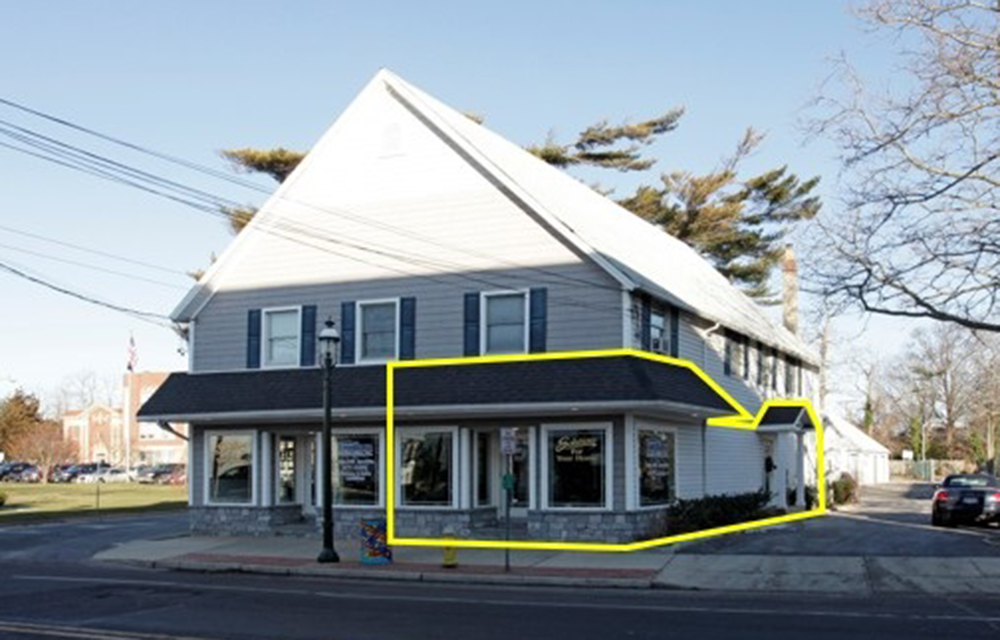
Raffa of Island Associates Real Estate leases 1,700 s/f to Tzanis Mental Health Group at 417 East Main St.
Islip, NY Robert Raffa from Island Associates Real Estate facilitated Tzanis Mental Health Group into 417 East Main St. – a 1,700 s/f office suite. The Tzanis Mental Health Group joins






 (2).gif)

Columns and Thought Leadership

A guide to finding the right NYC property management company - by Sanjay Gandhi
Being a small to midsize landlord in NYC is an increasingly demanding endeavor. From navigating complex regulations, increased compliance demands to dealing with tenant issues and remediating violations. It is wise to enlist the assistance of a partner, a professional

New York’s streets are full again, and the retail numbers prove it - by Noam Aziz
Walk down any New York block this year and you can feel it. The sidewalks are crowded, the storefronts are lit, and the energy that defines this city is back at full volume.

Positive forecast for New York’s pro-housing push? - by Philip Butler
New York’s housing crisis remains a hot button topic despite growing consensus that varied and affordable housing is desperately needed statewide. Governor Hochul has recently introduced several initiatives to overcome N.Y.’s anti-housing

Hunt commercial real estate question and answer: Fortune 500 wisdom - by David Hunt
Yes, there are lessons to be learned from the largest companies in America when comes to managing your real estate. But the decision to buy or lease real estate may not be one of
.gif)
September Promotion
