



News:
Brokerage
Posted: April 2, 2019
Construction Law: An attorney discusses dealing with leaks - by C. Jaye Berger
Dealing with leaks and how to determine responsibility for it can be a major headache. The best thing anyone can do is to be certain they have insurance coverage in place. Anyone renting out their condominium unit or co-op apartment should have their own insurance, as well as requiring renter’s insurance from the tenant. Do not try to save money by just relying on the tenant’s insurance. It never hurts to be over insured. If your tenant causes a leak in someone’s else’s apartment, they will sue both you and the tenant.
Responsibility for the damage varies depending on whether it is in a co-op or in a condominium. As a general matter, if the leak occurs in a condominium unit, everything in that unit is the owner’s responsibility. However, that can change if the leak was caused by the negligence of others, such as work being done by the building, by a neighbor or even by your own tenant.
Guidance can be found in the by-laws and declaration of the condominium and in the Proprietary Lease in a co-op. If it results from a renovation, the Alteration Agreement will be helpful to review, as is the lease for the tenant. The building may have money in escrow for damages caused by a renovation and there will likely be a certificate of insurance.
The second best thing anyone can do is to be proactive and photograph the apartment before there is any damage. You want to be able to show that the apartment was in excellent condition before the renovation work was done. Sometimes, a neighbor or the building will ask to take photographs, but it is best if you take them first and document the condition. Even if you have some cracks already, you can show that they were made worse by the renovation work. Immediately contact the managing agent of the building to advise them of the leak. Next, contact legal counsel to guide you through the process and assist in contacting the insurance company.
C. Jaye Berger, Esq, is an attorney, and the principal of Law Offices C. Jaye Berger, New York, N.Y.
Tags:
Brokerage
MORE FROM Brokerage
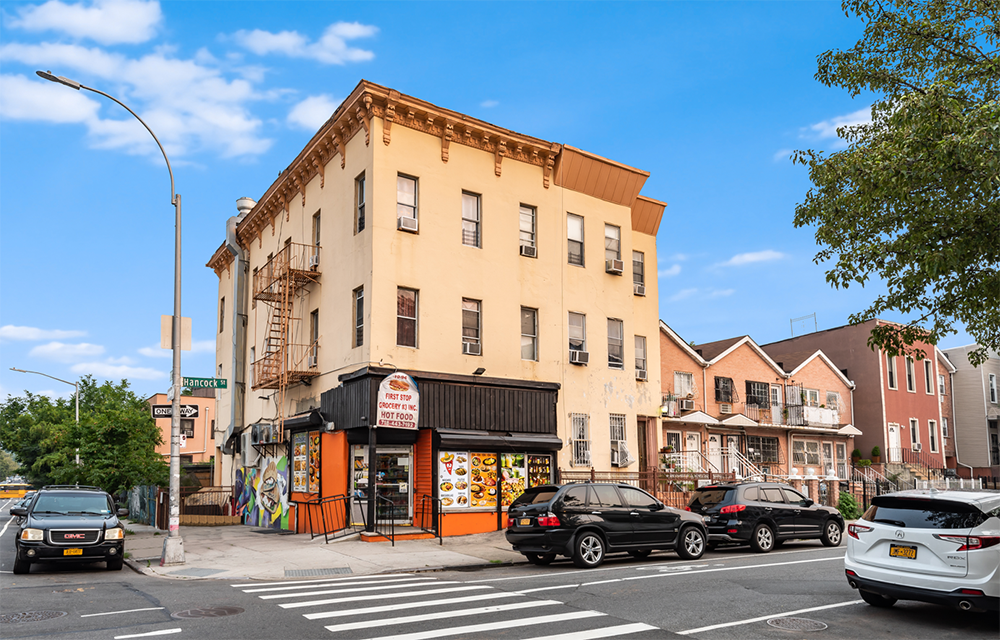
Investment Property Realty Group closes $1.75 million sale of 1094 Hancock Street in Brooklyn
Brooklyn, NY Investment Property Realty Group (IPRG), a New York-based commercial investment firm, has closed the sale of 1094 Hancock St., a mixed-use building in the Bushwick section, for $1.75 million.


Quick Hits

Columns and Thought Leadership

Hunt commercial real estate question and answer: Fortune 500 wisdom - by David Hunt
Yes, there are lessons to be learned from the largest companies in America when comes to managing your real estate. But the decision to buy or lease real estate may not be one of

New York’s streets are full again, and the retail numbers prove it - by Noam Aziz
Walk down any New York block this year and you can feel it. The sidewalks are crowded, the storefronts are lit, and the energy that defines this city is back at full volume.

A guide to finding the right NYC property management company - by Sanjay Gandhi
Being a small to midsize landlord in NYC is an increasingly demanding endeavor. From navigating complex regulations, increased compliance demands to dealing with tenant issues and remediating violations. It is wise to enlist the assistance of a partner, a professional

Hunt CRE question and answer: Choosing a real estate agent - by David Hunt
First, we will only work with one agent exclusively. The primary reason is that we want that agent to legally represent our client’s interests. In New York State, a real estate agent has a fiduciary
.gif)