



News:
Brokerage
Posted: April 6, 2021
Construction Law: A construction lawyer discusses change orders: A cautionary tale for customers - by C. Jaye Berger

Change orders are like mini-contracts. The parties sign the main contract and when things change, they both sign change orders confirming their agreement to those changes. It could be to add money to the contract price or to extend the number of weeks for completion or both. However, it needs to be signed by both parties.
Over one year ago, there were many renovation projects which had either just begun or were ready to begin. Then the world got crazy with COVID. My favorite recent story concerns a contractor who performed most of the renovation work for a co-op apartment project, then suddenly left the country to go to an unnamed country for one year with no stated return date. He did not explain the details to the client or leave any instructions. Recently he returned just as suddenly as when he left and told the client he was back to “collect money he was owed.” The client–who was not yet my client–told him to gather all the bills and change orders for him to review.
This new client found my name and called to ask me for advice on the situation.
The contractor said he wanted an additional $30,000. My first request was to see the signed contract, which clearly had a provision requiring signed change orders. In this case, the contractor had a loose messy pile of invoices, some of which he said he had lost, or misplaced. When we examined them, they appeared to be ordinary invoices for materials and equipment he had purchased for the project, which were part of the fixed price contract. It was also past the time period for filing a mechanic’s lien.
In reviewing this, my client discovered that the contractor had not filed for a permit–or to have any inspections. The contractor said he had discussed this with the building super for the managing agent who said it was, “okay.” My client did not use an attorney to prepare or review the contract or have any formal plans drawn by an architect. He did not have any waivers of mechanic’s liens for his payments to the contractor.
When my client told the contractor he might have to report this to Consumer Affairs, the contractor disappeared again.
C. Jaye Berger, Esq., is the founder of Law Offices C. Jaye Berger, Manhattan, N.Y
Tags:
Brokerage
MORE FROM Brokerage
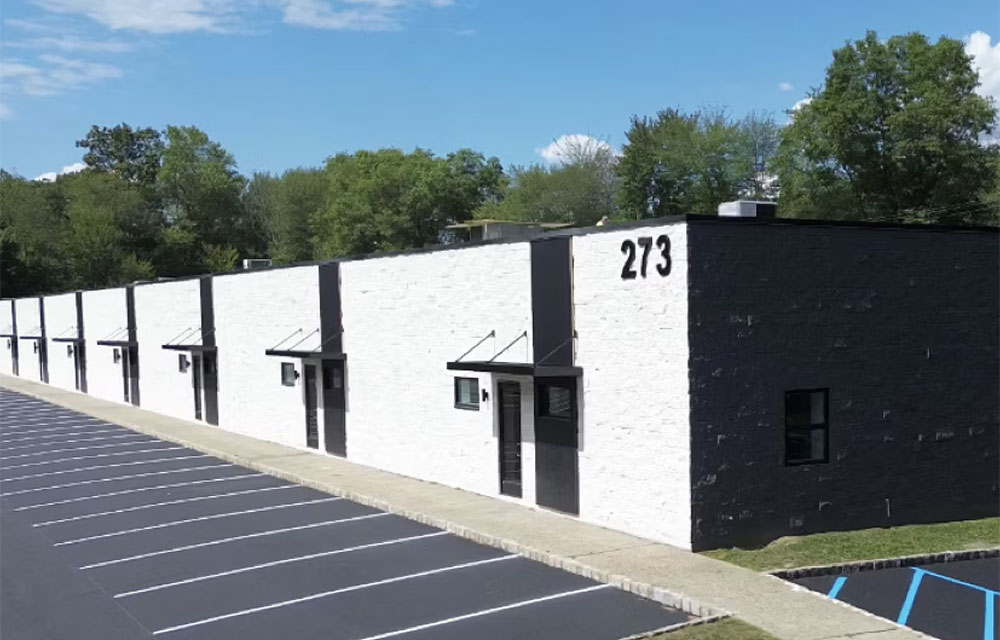
Resource Realty of Northern NJ delivers complete lease-up of 235 Franklin Rd. for Commerce Park Investors
Randolph, NJ Resource Realty of Northern New Jersey (RRNNJ) has completed the lease-up of a 10-unit small-bay industrial property at 273 Franklin Rd., marking the culmination of an investment strategy that began






Quick Hits

Columns and Thought Leadership

A guide to finding the right NYC property management company - by Sanjay Gandhi
Being a small to midsize landlord in NYC is an increasingly demanding endeavor. From navigating complex regulations, increased compliance demands to dealing with tenant issues and remediating violations. It is wise to enlist the assistance of a partner, a professional

Positive forecast for New York’s pro-housing push? - by Philip Butler
New York’s housing crisis remains a hot button topic despite growing consensus that varied and affordable housing is desperately needed statewide. Governor Hochul has recently introduced several initiatives to overcome N.Y.’s anti-housing

New York’s streets are full again, and the retail numbers prove it - by Noam Aziz
Walk down any New York block this year and you can feel it. The sidewalks are crowded, the storefronts are lit, and the energy that defines this city is back at full volume.

Hunt commercial real estate question and answer: Fortune 500 wisdom - by David Hunt
Yes, there are lessons to be learned from the largest companies in America when comes to managing your real estate. But the decision to buy or lease real estate may not be one of
.gif)