



News:
Brokerage
Posted: February 23, 2015
Constricting cap rates: How do you make money in this environment?
With cap rates continuing to constrict, it may be a great time to sell, but how do you make money buying in this environment? With cap rates compressing and interest rates at historic lows, some asset types that have long been considered safe, may now be exposed to increased risk.
When looking at long-term net leases at 5 to 5.5% cap rates, even with great credit tenants, it's important to understand the dangers that exist there as well. It's two-fold actually, you have the risk of interest rates moving higher or a weak economy lifting all cap rates. In either scenario, while a CVS or similar credit most likely will continue to pay rent, the actual value of the property can be substantially lower. If you have a mortgage on the property, especially one that would need to be refinanced, this has the potential to turn what seemed like a low risk investment into a potential issue, especially when mortgage resizing comes into play.
So, if real estate investing is a source of income, or a large part of your investing strategy, where do you look? How do you keep risk down, and still deliver outsized returns in this low interest rate environment? The answer for some of the most successful investors is value-added real estate.
Well, what exactly does that mean? According to Bill Shopoff, founder and chief executive officer of Shopoff Realty Investments, L.P, which has spent more than two decades investing in opportunistic and value added real estate and whose track record includes over 400 full cycle investments with an average holding period of less than three years, "Value-added is about making the invisible visible. Our focus is uncovering value in properties others frequently miss and in doing so with event-drive exits that have a low correlation to external market factors. Fortunately, our team is highly skilled at capitalizing on these opportunities."
So what are some of the tricks of the trade? First, is to find good quality assets, but not trophy assets. The next step is to find properties that need a bit of attention for one reason or another. If you come across an owner that has a loan maturing with a current LTV that isn't very attractive, you might want to take a closer look at the property. If it also has a higher vacancy than the sub-market, or another potentially correctable issue, this might be a perfect opportunity.
Underwriting tenants while evaluating the property can lead to opportunities as well. If you notice a below market lease that is expiring shortly and know of a potential replacement tenant willing to pay a higher rent, you can turn what looks like a disadvantage of the property into immediate increased cash flow.
One thing to keep in mind when looking at these types of properties is if you can find a quality property under replacement cost, this can be a good strategy. Another piece of advice from those that do this professionally is to try and acquire multiple properties of similar structure. This can mitigate the risk, but still deliver good returns. Keep in mind, with one property, anything can happen.
Finally, create a sound business plan before you buy, but have at least one other backup plan, if the original falls through. When evaluating the end game with this type of investing, some options to consider are cleaning it up for a quick sale to someone for more development or to fully improve the property and hold it for the long term. Shopoff said, "Being value conscious buyers our whole career has been about combining elbow grease with experience and capital to achieve results." Although a lot of the larger real estate investors employ this technique, you don't need to be a real estate mogul to succeed with this strategy.
Michael Packman is chief executive officer at PNI Capital Partners, Syosset, N.Y.
Michael Packman offers access to securities and investment advisory services offered through Financial West Group, member FINRA/SIPC. Financial West Group and PNI Capital Partners are unaffiliated entities.
Tags:
Brokerage
MORE FROM Brokerage
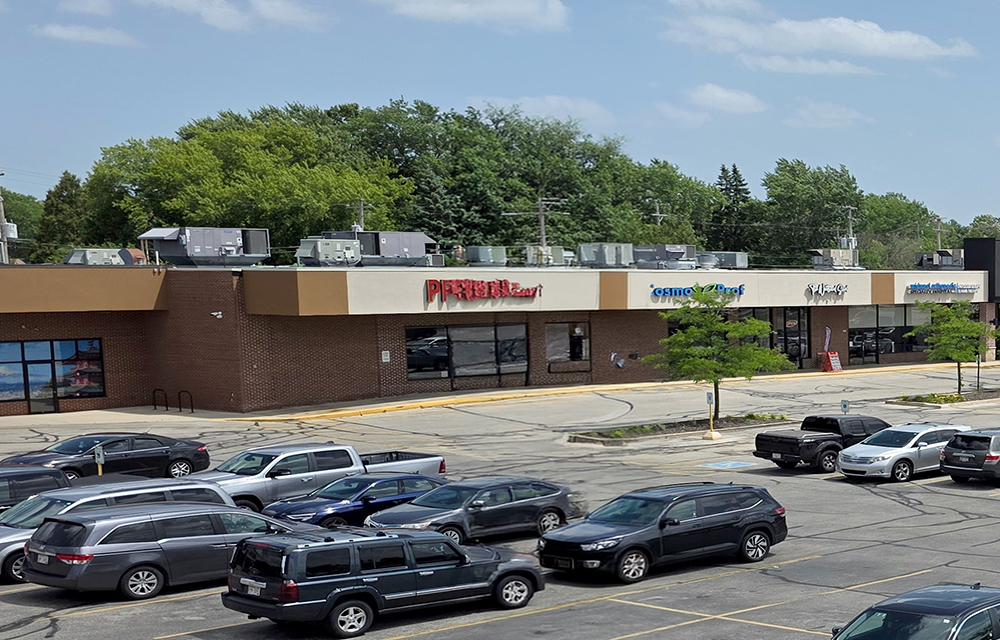
United Properties Corp. expands Wisconsin and Illinois retail presence adding 200,000 s/f
West Allis, WI United Properties Corp. completed two retail acquisitions totaling $27.4 million across Illinois and Wisconsin, adding 205,000 s/f of shopping center space to its portfolio






Quick Hits

Columns and Thought Leadership

Hunt commercial real estate question and answer: Fortune 500 wisdom - by David Hunt
Yes, there are lessons to be learned from the largest companies in America when comes to managing your real estate. But the decision to buy or lease real estate may not be one of

A guide to finding the right NYC property management company - by Sanjay Gandhi
Being a small to midsize landlord in NYC is an increasingly demanding endeavor. From navigating complex regulations, increased compliance demands to dealing with tenant issues and remediating violations. It is wise to enlist the assistance of a partner, a professional

Positive forecast for New York’s pro-housing push? - by Philip Butler
New York’s housing crisis remains a hot button topic despite growing consensus that varied and affordable housing is desperately needed statewide. Governor Hochul has recently introduced several initiatives to overcome N.Y.’s anti-housing

New York’s streets are full again, and the retail numbers prove it - by Noam Aziz
Walk down any New York block this year and you can feel it. The sidewalks are crowded, the storefronts are lit, and the energy that defines this city is back at full volume.
.gif)