



News:
Brokerage
Posted: September 20, 2016
Condominium offering plans are contracts by Thomas Kearns
 Tom Kearns, Olshan Frome Wolosky
The New York Court of Appeals in the 2002 Jennifer case held that a condominium offering plan is a contract with each purchaser and that the Jennifer plan included an implied agreement by sponsors to sell more than 50% of the condo units to the public. Later court decisions have extended the contract theory to promised amenities (Country Pointe v. Beechwood) and to construction defects (Vetro Condominium v. 107/31 Development). Since Jennifer, the New York attorney general has permitted offering plans to include disclaimers of the implied agreement to sell a certain number of units but the overall contractual analysis remains good law. Despite this well known trend, many questions remain. For example, suppose a sponsor promises in the offering plan that a swimming pool will be constructed within three years but the new condo board prefers cash and a children’s playroom instead? Can the sponsor alter the plan with the board’s consent or must each unit owner also agree? Since offering plans typically don’t address the issue of changes at the request of the board, the answer is not clear.
What if the pool/playroom switch was made by an amendment of the plan after the sale of some units have closed and the attorney general either misses the issue or determines the change is not material. Are the original purchasers entitled to insist on the pool? Under the logic of Jennifer, the answer should be yes, it’s a contractual change and absent some disclaimer in the plan, the original buyers have an enforceable right to the pool but will courts permit a vote of disinterested unit owners to control?
What about changes to legal matters such as the declaration of condominium or the by-laws? Assuming the sponsor has voting control, may a sponsor amend the by-laws it included in the plan after units have closed? How about new sponsors who take over after the original sponsor is foreclosed upon and after initial sales have closed? Shouldn’t they be deemed successors for the purpose of the contractual liabilities? A 1991 attorney general policy memo about lender takeovers states that a foreclosing lender is not liable for misstatements made by prior sponsors but will be responsible for “compliance with legal requirements promised in the offering plan” by the prior sponsor. That statement and the Jennifer line of cases would suggest that neither the sponsor nor the lender could change the declaration or by-laws even if they had voting control.
The reason the Jennifer contractual issue is important is that it gives aggrieved condo purchasers legal recourse if the attorney general elects not to pursue an enforcement action – purchasers can’t sue their sponsor for failure to comply with the attorney general rules but purchasers can sue for a claim for breach of contract.
Regular readers know I like to give practical advice: Sponsors looking to settle claims or change building plans at the request of the board of managers of the condo should ask to be indemnified by the board from unhappy unit owners who may have contractual claims. Boards should proceed in a manner designed to engender as much political acceptance of the proposed deal with the sponsor as is possible. And sponsors should not attempt to unilaterally amend their contract, implied or otherwise, with the unit owners without an evaluation of the potential risks of claims from aggrieved owners.
Thomas Kearns is a partner at Olshan Frome Wolosky LLP, New York, N.Y.
Tags:
Brokerage
MORE FROM Brokerage
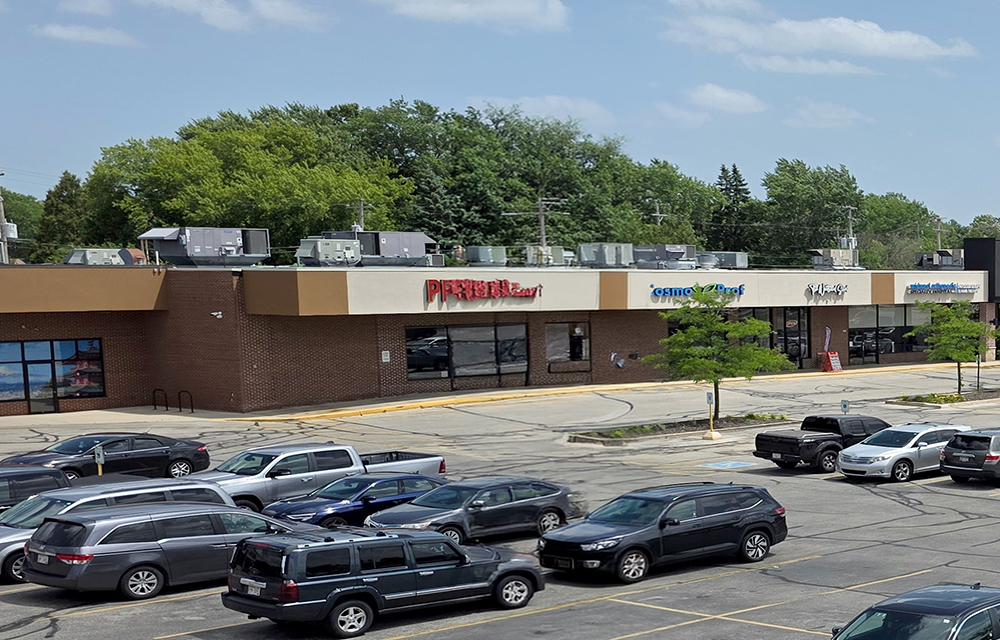
United Properties Corp. expands Wisconsin and Illinois retail presence adding 200,000 s/f
West Allis, WI United Properties Corp. completed two retail acquisitions totaling $27.4 million across Illinois and Wisconsin, adding 205,000 s/f of shopping center space to its portfolio






Quick Hits

Columns and Thought Leadership

A guide to finding the right NYC property management company - by Sanjay Gandhi
Being a small to midsize landlord in NYC is an increasingly demanding endeavor. From navigating complex regulations, increased compliance demands to dealing with tenant issues and remediating violations. It is wise to enlist the assistance of a partner, a professional

Positive forecast for New York’s pro-housing push? - by Philip Butler
New York’s housing crisis remains a hot button topic despite growing consensus that varied and affordable housing is desperately needed statewide. Governor Hochul has recently introduced several initiatives to overcome N.Y.’s anti-housing

New York’s streets are full again, and the retail numbers prove it - by Noam Aziz
Walk down any New York block this year and you can feel it. The sidewalks are crowded, the storefronts are lit, and the energy that defines this city is back at full volume.

Hunt commercial real estate question and answer: Fortune 500 wisdom - by David Hunt
Yes, there are lessons to be learned from the largest companies in America when comes to managing your real estate. But the decision to buy or lease real estate may not be one of
.gif)