



News:
Brokerage
Posted: November 6, 2018
Commercial Real Estate: What opportunity zones mean for NY real estate - by Justin Fitzsimmons
Investors and developers are always looking for an edge, and one option that is increasingly gaining mindshare in the real estate industry is opportunity zones. As part of last year’s tax overhaul, opportunity zones were introduced as a way of promoting economic development in low-income areas. Through incentives that enable developers to defer or eliminate capital gains taxes, the government is promoting development in 8,000 of these zones across the country, including hundreds in New York City. It should be noted, this applies to capital gains for any assets, including stocks and bonds.
In light of this, it’s not surprising that N.Y.C. developers began moving to capitalize on opportunity zones, even before there was clarity on some of the specifics. RXR led a list of prominent developers that created opportunity zone funds, which will be devoted to making investments in these properties. Other investors started snatching up properties in these zones in hopes of benefitting from the incentives.
While all this involved a certain amount of speculation, the Treasury department recently set the ground rules for opportunity zones, which created much more clarity and is sure to expand the amount of investment.
At GFI Realty, we’re tuned in very closely to these evolving market dynamics. Our team of brokers has numerous listings in opportunity zones, and we’re already seeing an uptick in investor interest in many of these properties. Areas like the South Bronx and East Harlem, which have recently begun to rise because of rezoning initiatives, are likely to have their growth aided significantly by the new regulations.
While there are still some details that the government has to iron out, there’s little question that opportunity zones will have a profound impact on N.Y.C. real estate. Presented with the ability to contribute to an area’s revitalization while gaining tax benefits, we’re sure to see many developers who can’t pass up on the opportunity.
Justin Fitzsimmons is a research analyst with GFI Realty Services, New York, NY.
Tags:
Brokerage
MORE FROM Brokerage
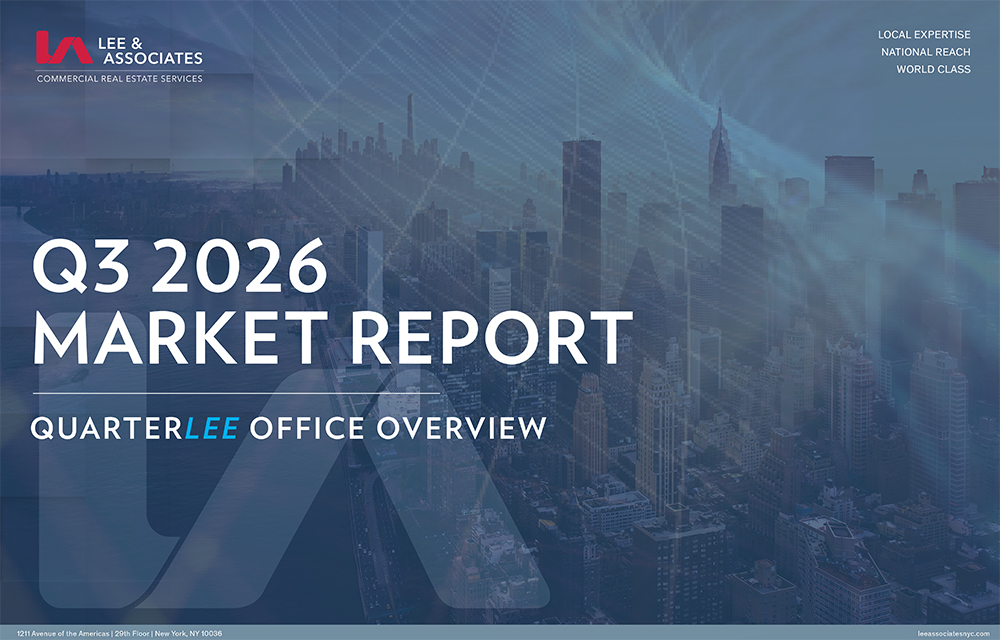
Manhattan office leasing tops 10 million s/f for ninth consecutive quarter, Lee & Associates NYC reports
Manhattan, NY Manhattan’s office market continued its recovery in the third quarter of 2026, recording more than 10 million s/f of leasing activity for the ninth

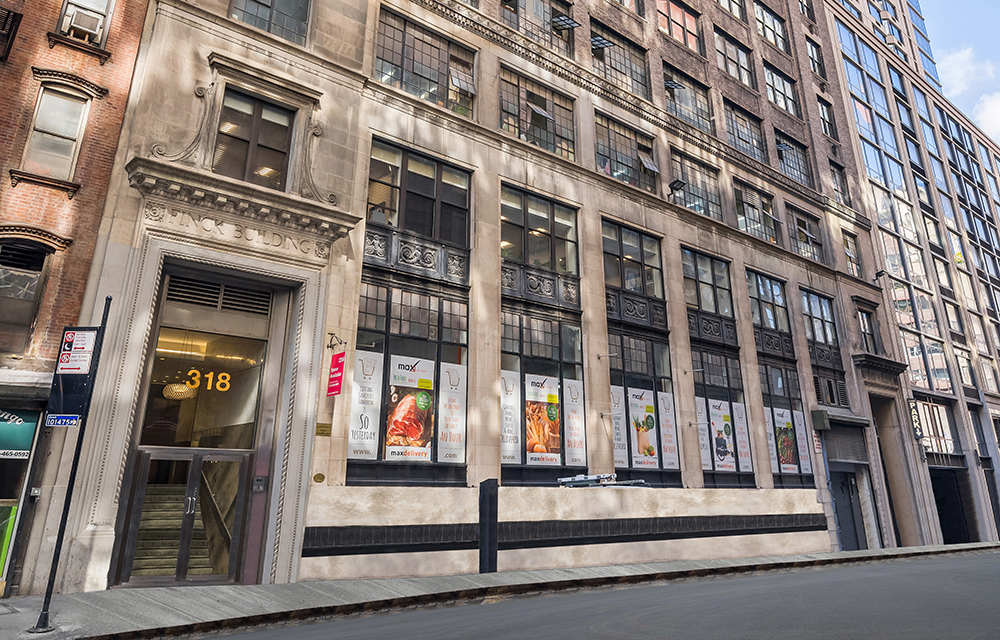

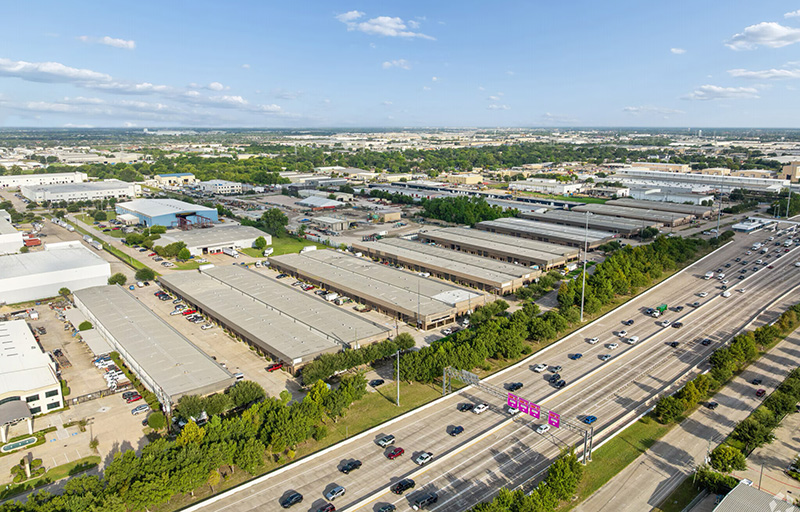


Quick Hits

Columns and Thought Leadership

A guide to finding the right NYC property management company - by Sanjay Gandhi
Being a small to midsize landlord in NYC is an increasingly demanding endeavor. From navigating complex regulations, increased compliance demands to dealing with tenant issues and remediating violations. It is wise to enlist the assistance of a partner, a professional

Hunt CRE question and answer: Choosing a real estate agent - by David Hunt
First, we will only work with one agent exclusively. The primary reason is that we want that agent to legally represent our client’s interests. In New York State, a real estate agent has a fiduciary

Hunt commercial real estate question and answer: Fortune 500 wisdom - by David Hunt
Yes, there are lessons to be learned from the largest companies in America when comes to managing your real estate. But the decision to buy or lease real estate may not be one of

New York’s streets are full again, and the retail numbers prove it - by Noam Aziz
Walk down any New York block this year and you can feel it. The sidewalks are crowded, the storefronts are lit, and the energy that defines this city is back at full volume.
.gif)