



News:
Brokerage
Posted: February 7, 2017
Commercial Real Estate: Second Ave. Subway contributes to area growth by Fitzsimmons
 Justin Fitzsimmons, GFI Realty Services
If the city’s New Year’s resolution was to start meeting deadlines, they’re on the right track.
As expected, the Second Ave. Subway, which extends the Q train from 63rd St. to 96th St., started rolling on January 1st, adding three stops along Second Ave. – at East 72nd, East 86th, and East 96th Sts.
Construction on the new train line began 10 years ago and the 24/7 subway construction initially affected the Upper East Side and Yorkville real estate market negatively. While pricing around the city sky-rocketed in 2007, the area east of Second Ave. between 72nd and 96th Sts. remained an affordable option for many. Due to its lack of easy access to existing subway lines and overcrowded trains on Lexington Ave., pricing and neighborhood growth stayed conservative in comparison to other areas throughout Manhattan.
During the years of construction, sections of Second Ave. were closed for long periods of time while tunnels and stations were built. Unsurprisingly, retail took a substantial hit, and many businesses that did not to close their doors were left struggling. However, retail owners that held out (and investors who got in early) should immediately begin reaping benefits, as the market is poised for a strong upswing due to increased accessibility throughout the neighborhood.
In regards to the residential market, the subway already began proving its worth a few years ago. In fact, over the last five years, residential pricing near Second Ave. has seen steady growth, outpacing most other neighborhoods of Manhattan. Additionally, investor confidence drove a good deal of construction, and new developments are hitting the market with higher prices than ever before.
The Second Ave. Subway is a textbook example of how real estate interfaces with public transportation, and investors would do well to refer to this saga when evaluating the potential of properties near transit in NYC and beyond.
Justin Fitzsimmons is a research analyst at GFI Realty Services, New York, N.Y.
Tags:
Brokerage
MORE FROM Brokerage
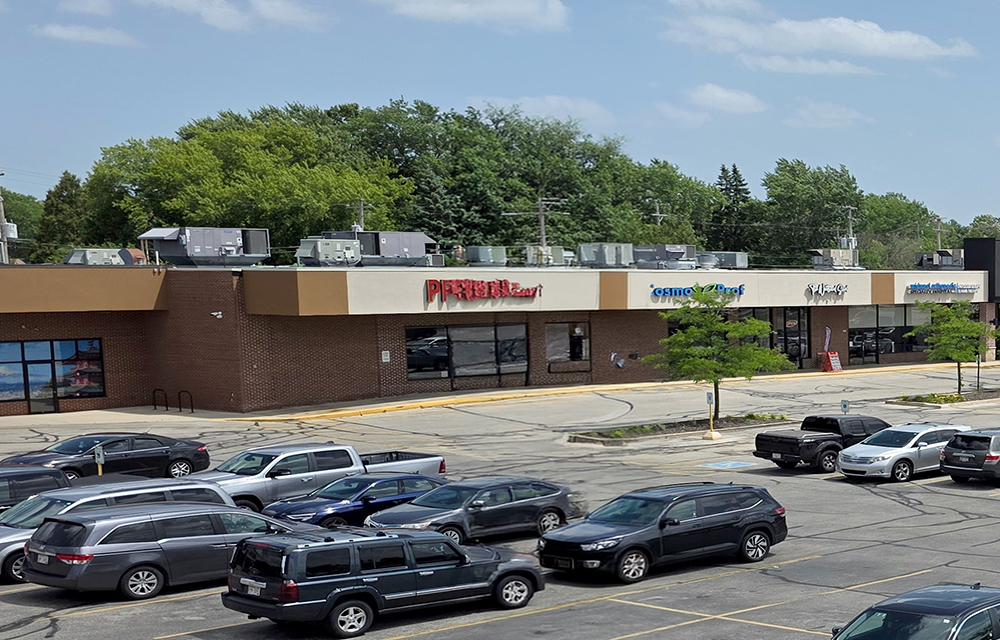
United Properties Corp. expands Wisconsin and Illinois retail presence adding 200,000 s/f
West Allis, WI United Properties Corp. completed two retail acquisitions totaling $27.4 million across Illinois and Wisconsin, adding 205,000 s/f of shopping center space to its portfolio


 (2).gif)

Columns and Thought Leadership

A guide to finding the right NYC property management company - by Sanjay Gandhi
Being a small to midsize landlord in NYC is an increasingly demanding endeavor. From navigating complex regulations, increased compliance demands to dealing with tenant issues and remediating violations. It is wise to enlist the assistance of a partner, a professional

Hunt commercial real estate question and answer: Fortune 500 wisdom - by David Hunt
Yes, there are lessons to be learned from the largest companies in America when comes to managing your real estate. But the decision to buy or lease real estate may not be one of

Positive forecast for New York’s pro-housing push? - by Philip Butler
New York’s housing crisis remains a hot button topic despite growing consensus that varied and affordable housing is desperately needed statewide. Governor Hochul has recently introduced several initiatives to overcome N.Y.’s anti-housing

New York’s streets are full again, and the retail numbers prove it - by Noam Aziz
Walk down any New York block this year and you can feel it. The sidewalks are crowded, the storefronts are lit, and the energy that defines this city is back at full volume.
.gif)