



News:
Brokerage
Posted: August 7, 2018
Commercial Real Estate: Opportunity still abound in Brooklyn - by Michael Weiser
The economy keeps ticking along, but some people seem to have soured on Brooklyn. To be fair, compared to the record and near-record sales figures of 2014-2016, the borough did experience a decline in deal volume last year. But too many naysayers are looking at the forest and missing the trees. While boom markets might be scuffling temporarily, there are neighborhoods across the borough that are picking up the slack.
According to a recent GFI report, “Brooklyn: Still Growing Strong,” many Brooklyn areas still show incredible promise. Neighborhoods like Bedford-Stuyvesant, Prospect Lefferts Gardens and Flatbush each saw permits and plans being filed in great numbers last year, showing investors’ continued confidence in these areas.
At GFI Realty, our brokers are seeing this play out in numerous Central and South Brooklyn neighborhoods. Shlomo Antebi is exclusively marketing a 38-unit walk-up in Flatbush, and Erik Yankelovich is exclusively marketing a 17-unit walk-up in Prospect Lefferts Gardens. The common denominator between these assets? Both property owners recently made capital improvements. Due to the continued strength of these areas, they are able to sell now, to buyers seeking properties that will benefit from the continued upward momentum of these neighborhoods.
While Flatbush and Prospect Lefferts Gardens are two of the strongest examples, other areas are also rising, resulting in opportunities for both sellers and buyers. Yankelovich is exclusively marketing a 37-unit corner building in Bensonhurst and Nate Pilchik is exclusively marketing 2573 Pitkin Ave., an East New York mixed-use property with four apartments and three retail spaces. East New York and Bensonhurst are both in the early-to-mid stages of revitalization, and in today’s market, many patient investors seeking to buy at a lower basis than they could get in areas like Prospect Lefferts Gardens are turning to these neighborhoods to park their capital for the long term.
With a population that grew by about 250,000 people in the past 20 years, Brooklyn’s star continues to shine bright. So even if the northern sections of the borough have lost a step in the past year, Central and South Brooklyn have more than made up for it.
Michael Weiser is president of GFI Realty, New York, N.Y.
Tags:
Brokerage
MORE FROM Brokerage
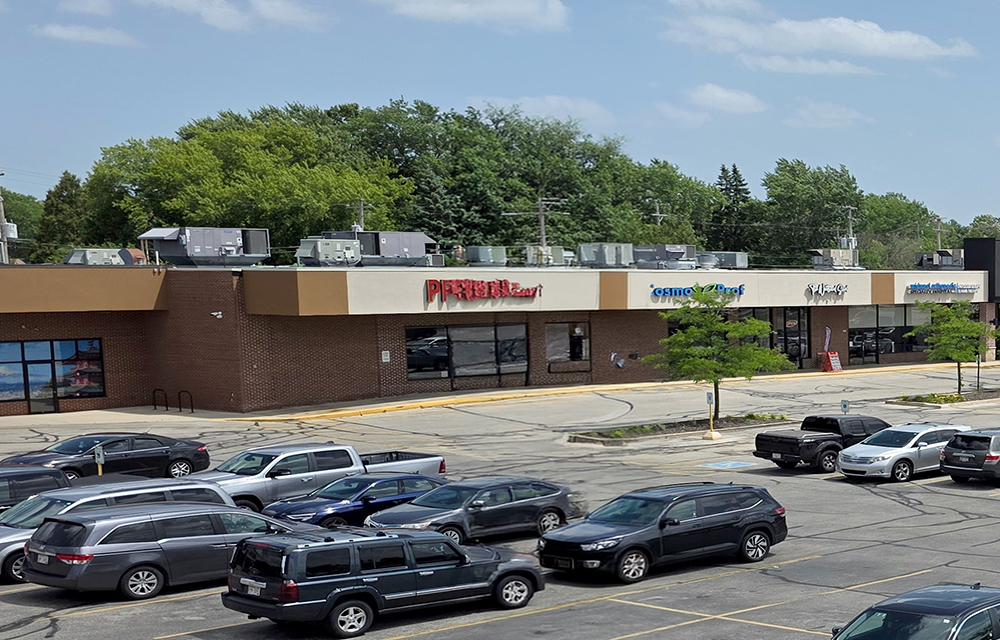
United Properties Corp. expands Wisconsin and Illinois retail presence adding 200,000 s/f
West Allis, WI United Properties Corp. completed two retail acquisitions totaling $27.4 million across Illinois and Wisconsin, adding 205,000 s/f of shopping center space to its portfolio
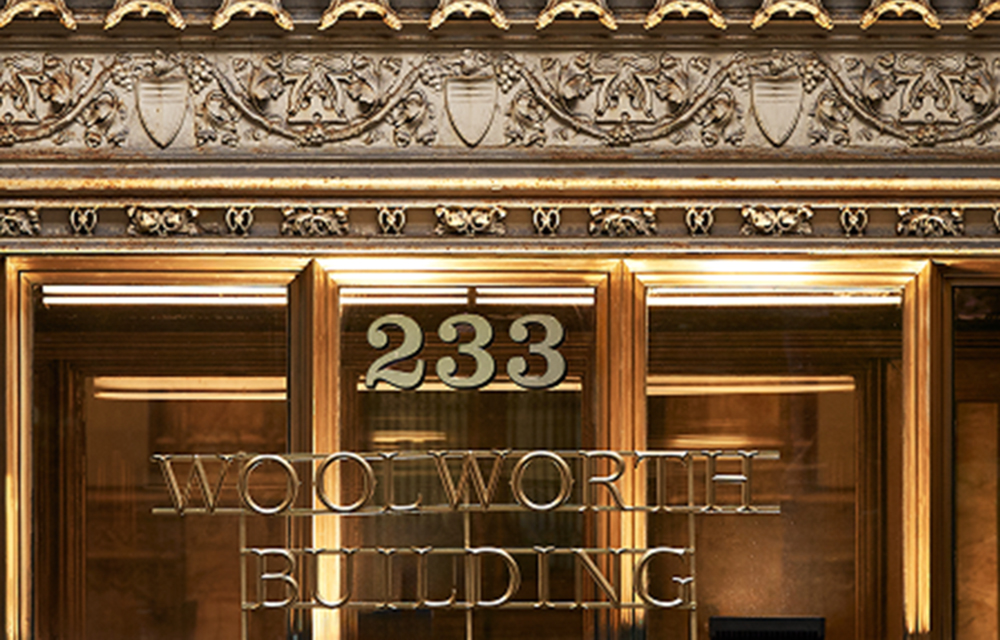
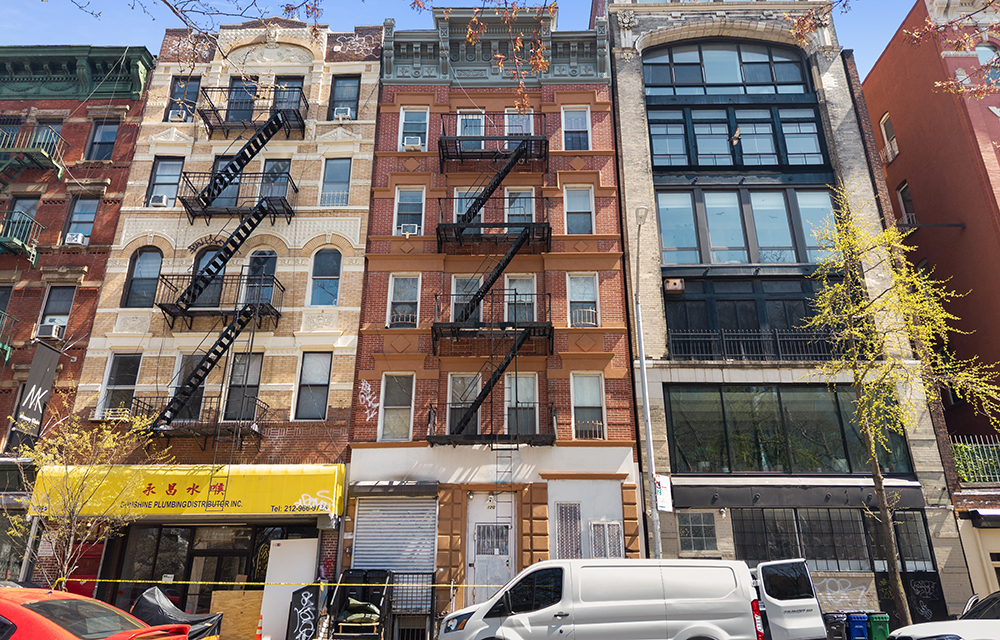




Quick Hits

Columns and Thought Leadership

Positive forecast for New York’s pro-housing push? - by Philip Butler
New York’s housing crisis remains a hot button topic despite growing consensus that varied and affordable housing is desperately needed statewide. Governor Hochul has recently introduced several initiatives to overcome N.Y.’s anti-housing

Hunt commercial real estate question and answer: Fortune 500 wisdom - by David Hunt
Yes, there are lessons to be learned from the largest companies in America when comes to managing your real estate. But the decision to buy or lease real estate may not be one of

New York’s streets are full again, and the retail numbers prove it - by Noam Aziz
Walk down any New York block this year and you can feel it. The sidewalks are crowded, the storefronts are lit, and the energy that defines this city is back at full volume.

A guide to finding the right NYC property management company - by Sanjay Gandhi
Being a small to midsize landlord in NYC is an increasingly demanding endeavor. From navigating complex regulations, increased compliance demands to dealing with tenant issues and remediating violations. It is wise to enlist the assistance of a partner, a professional
.gif)